


Top 10 Quality Coffee Suppliers for Global Buyers
Global buyers need more than attractive packaging and impressive tasting notes. They need dependable partners who can deliver Quality Coffee across seasons, origins, and changing market conditions. This guide introduces ten suppliers with relevant strengths, including traceable sourcing, skilled processing, export experience, and responsive buyer support.
Erna Knutsen, a pioneering specialty coffee trader, famously described specialty coffee as “coffee that has been grown in a special microclimate.” Her point remains important. Quality begins at the farm, but it does not end there. A supplier must protect the coffee during milling, storage, shipment, and arrival. Buyers should examine harvest dates, lot separation, moisture control, cupping records, and documented producer relationships. A clean sample can still disappoint if logistics are weak.
The suppliers featured here serve different purchasing needs. Some offer small, carefully selected lots. Others provide larger volumes with stronger supply continuity. Their approaches may include direct trade, regional aggregation, organic certification, or advanced processing methods. These labels deserve verification, not blind trust. Ask for current certificates, sample reports, shipping terms, and realistic production estimates.
No ranking can predict every harvest. Weather changes. Crop quality shifts. Even trusted partners may face delays or inconsistent lots. That is why professional buyers should compare evidence, request pre-shipment samples, and build practical communication routines. This list is a starting point, not a guarantee. The best supplier is the one whose promises remain clear when conditions become difficult.
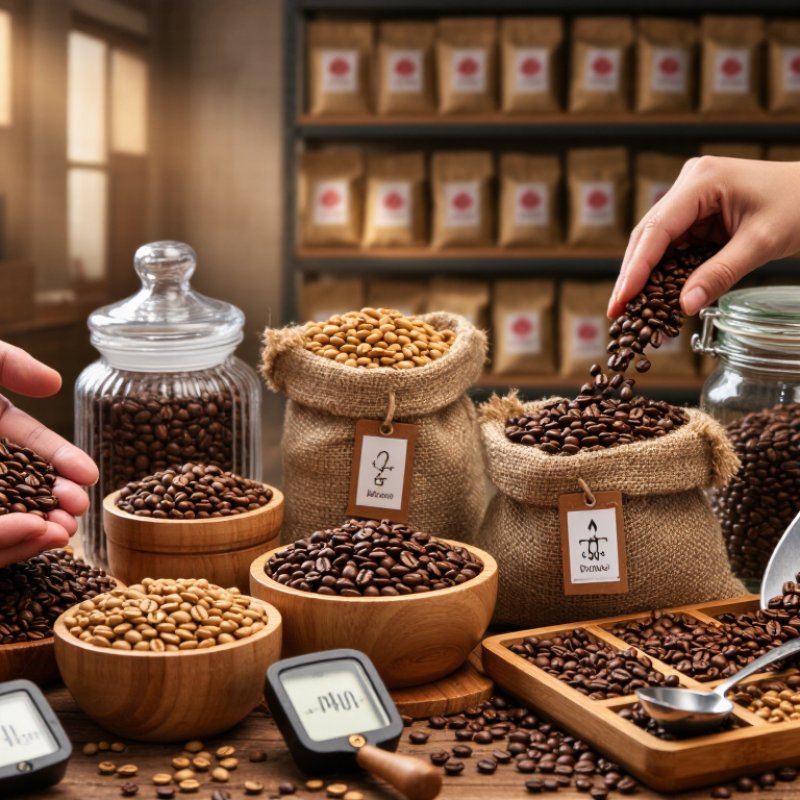
How Global Buyers Define Quality in Coffee Supply
For global buyers, coffee quality begins before cupping. It starts with evidence.
The USDA Foreign Agricultural Service projected 174.9 million 60-kilogram bags of world production in 2024/25 (Coffee: World Markets and Trade, December 2024). In a crowded market, scale alone proves little. A credible supplier should show origin, harvest date, lot code, processing method, moisture, screen size, defect counts, and cup results. Buyers also check whether the same profile survives three shipments, not one impressive sample. Small details matter: a sealed 30-kilogram bag should arrive clean, dry, and traceable.
Quality also has a human and environmental dimension. The International Coffee Organization estimates coffee supports about 125 million livelihoods (Coffee Development Report 2020). Buyers should examine farmer payment practices, labor safeguards, water use, and chain-of-custody records. Certifications can help, but they cannot replace field verification. Ask for audit dates, corrective actions, and the method behind every claim. Sensory language must be disciplined. “Bright” is not a specification. Buyers need calibrated cupping scores, roast conditions, sample preparation, and agreed tolerance limits. The Specialty Coffee Association’s cupping protocols offer a common technical reference, though local preferences still influence value.
For a top-ten supplier comparison, reliability deserves equal weight with flavor. Measure response time, production capacity, lead-time accuracy, packaging controls, documentation, and dispute handling. USDA forecasts provide context, yet they cannot predict one supplier’s consistency. Here is the uncomfortable part: a high score can hide fragile logistics. Beautiful samples may fail after humidity exposure or delayed consolidation. The second shipment often tells more than the first.
Top 10 Quality Coffee Suppliers for Global Buyers - How Global Buyers Define Quality in Coffee Supply
| Rank | Supplier Profile | Primary Origin / Supply Region | Typical Arabica Profile | Common Processing Methods | Typical Green Coffee Score | Quality Evidence Global Buyers Review | Supply Strength |
|---|---|---|---|---|---|---|---|
| 1 | High-Altitude Washed Arabica Supplier | Central and Southern Colombia | Balanced acidity, caramel sweetness, citrus and red-fruit notes | Washed; honey and natural micro-lots | 82–88 SCA points | Moisture typically 9–12%; low defect count; traceable farm or cooperative lots; consistent screen size | Strong traceability and broad availability across multiple harvest periods |
| 2 | Specialty Smallholder Aggregator | Southern Ethiopia | Floral aroma, bergamot, stone fruit, tea-like body | Washed and sun-dried natural | 84–90 SCA points | Distinct cup character; documented washing-station or producer-group traceability; careful drying records | High cup differentiation, with seasonal volume variation |
| 3 | Certified Estate and Cooperative Supplier | Central and Northern Guatemala | Chocolate, citrus, nut, and spice notes with bright acidity | Washed; natural and honey lots | 82–87 SCA points | Altitude and variety records; cup samples; sustainability or social-compliance documentation where applicable | Reliable specialty and premium-commercial segmentation |
| 4 | Highland Washed Coffee Supplier | Central and Southern Kenya | Blackcurrant, berry, wine-like acidity, and pronounced sweetness | Washed; limited natural lots | 84–90 SCA points | Strict grading; AA, AB, and related screen classifications; lot separation; detailed cupping results | Strong identity and premium pricing potential, with limited top-grade volume |
| 5 | Organic and Fair-Trade Cooperative Supplier | Chiapas and Oaxaca, Mexico | Mild acidity, cocoa, nuts, brown sugar, and dried fruit | Washed; honey and natural lots | 81–86 SCA points | Organic certification where claimed; cooperative records; moisture control; export-grade defect screening | Good certification coverage and dependable supply for blends and single-origin programs |
| 6 | Specialty Micro-Lot Supplier | Southern and Central Brazil | Chocolate, caramel, nuts, dried fruit, and low-to-medium acidity | Natural, pulped natural, and washed | 82–88 SCA points | Uniform drying; screen-size consistency; harvest-year documentation; reliable pre-shipment samples | Large production base with strong consistency and scalable contract options |
| 7 | Smallholder and Washing-Station Supplier | Rwanda Highlands | Citrus, stone fruit, floral sweetness, and clean finish | Washed; honey and natural lots | 82–88 SCA points | Producer or station traceability; fermentation control; parchment drying practices; clean-cup verification | Distinctive specialty profile with moderate export volume |
| 8 | Rainforest and Organic-Oriented Supplier | Northern Peru | Cocoa, caramel, citrus, nuts, and balanced sweetness | Washed; organic-certified lots where applicable | 81–86 SCA points | Certification validity; cooperative chain of custody; moisture and water-activity checks; cup uniformity | Well suited to certified and responsible-sourcing programs |
| 9 | Single-Origin Specialty Supplier | Northern and Central Costa Rica | Clean acidity, honey, citrus, stone fruit, and brown sugar | Honey, washed, and natural micro-lots | 83–89 SCA points | Farm-level lot separation; processing records; drying-time control; green-bean physical analysis | High consistency and strong processing transparency, with smaller volumes |
| 10 | Premium Robusta and Arabica Blending Supplier | Vietnam Central Highlands and selected Arabica zones | Robusta: cocoa, grain, spice, and full body; Arabica: nutty and chocolate notes | Natural and honey; washed Arabica in selected areas | Fine Robusta: 80–84; Arabica: 81–85 SCA-equivalent quality range | Defect control; screen size; moisture stability; robusta cup-quality testing; pesticide and residue compliance | High volume, competitive pricing, and strong suitability for espresso blends |
Related Posts
-
10 Best High Quality Coffee Suppliers for Global Buyers
-

How to Choose China Top Quality Coffee Suppliers?
-

Unlocking Global Tastes: The Rise of Customized Coffee Solutions in the Specialty Market
-
China's Premium Factories Delivering Exceptional Best Roasted Coffee to the World
-
How to Buy Fresh Roasted Coffee Beans Wholesale?
-

Unveiling the Best Coffee Bar Features 12 Key Specifications You Need to Know