


10 Best High Quality Coffee Suppliers for Global Buyers
Global coffee buying is no longer judged by price alone. Importers now examine origin, processing, traceability, consistency, and delivery reliability before approving a supplier. The International Coffee Organization reported global coffee consumption of approximately 177.9 million 60-kilogram bags in 2023/24. That scale creates opportunity, but it also increases pressure on quality control. One damaged container can affect a roaster’s production schedule, customer trust, and seasonal release.
This guide presents 10 Best High Quality Coffee Suppliers for Global Buyers, using practical purchasing criteria rather than promotional claims. The selection considers farm and mill traceability, green-bean grading, moisture control, defect management, cupping documentation, certifications, export experience, and communication. The USDA Foreign Agricultural Service’s Coffee: World Markets and Trade reports also show how production and exports shift across major origins, including Brazil, Vietnam, Colombia, and Ethiopia. Market data matters. However, it cannot replace a sample roast, a reliable contract, or direct verification.
Look closely at the details. A professional supplier should provide lot information, harvest timing, processing method, and shipment records. A buyer may also request pre-shipment samples and compare them with arrival samples. Small differences matter. A clean cup, stable moisture, and intact packaging can protect margins across thousands of bags. Still, no supplier is perfect. Weather, logistics, and harvest variation can change results unexpectedly. This overview therefore encourages careful due diligence, not blind trust. The strongest partnerships combine documented standards with honest communication, consistent sensory evaluation, and a willingness to improve when something goes wrong.
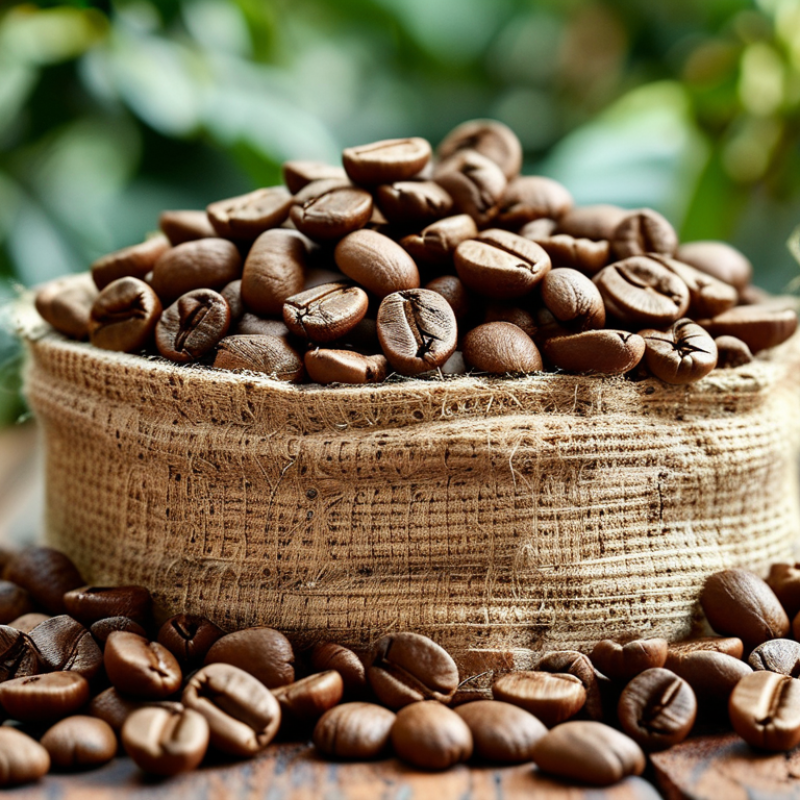
Global Coffee Supplier Market Overview
Global coffee sourcing is expanding, but supply remains concentrated and climate-sensitive. The USDA Foreign Agricultural Service’s December 2024 Coffee: World Markets and Trade report forecast 2024/25 production at about 174.9 million 60-kilogram bags. Consumption was projected near 168.1 million bags. This narrow balance leaves buyers exposed to harvest delays, freight disruptions, and sudden price changes.
For global buyers, the best supplier is not always the largest exporter. A reliable partner should provide harvest records, processing details, moisture readings, lot numbers, and recent laboratory results. Traceability should reach the farm or cooperative level whenever possible. The International Coffee Organization’s market reports show persistent price volatility, influenced by weather, inventories, and exchange rates. A procurement team should compare several origins, contract terms, shipment schedules, and quality tolerances before committing.
Small details matter. A wet-mill sample with a clean aroma can still fail after poor storage. Ask how beans are packed, stacked, inspected, and monitored during transit. Certifications may support due diligence, but they do not replace independent verification. That needs checking.
Supplier rankings also deserve caution. Production volume does not prove cup consistency, ethical practices, or delivery reliability. USDA estimates, ICO indicators, and customs data can guide decisions, yet each source has different methods and reporting delays. Buyers should document assumptions and update them quarterly. No sourcing model is perfect. Even experienced teams can underestimate climate risk or port congestion.
| No. | Supplier Market | Main Coffee Types | Typical Commercial Grades | Common Harvest Period | Typical Processing Methods | Quality Strengths | Recommended Buyer Verification |
|---|---|---|---|---|---|---|---|
| 1 | Brazil | Arabica and Robusta | NY 2/3/4/5; screen-size classifications; specialty lots graded by SCA protocols | Generally May–September, depending on growing region | Natural, pulped natural, and washed | Consistent supply Wide flavor range, strong availability of commercial and specialty lots, and reliable bulk-export infrastructure |
Screen size, defect count, moisture, cup score, harvest year, and processing consistency |
| 2 | Vietnam | Primarily Robusta; Arabica in selected highland areas | Grade 1–2 Robusta; screen 16–18; specialty Robusta lots | Usually October–January | Natural, washed, and honey processing | Robusta strength High commercial volume, strong body, high caffeine content, and competitive pricing for blends and soluble coffee |
Bean size, black-and-broken beans, moisture, OTA risk controls, pesticide compliance, and cup profile |
| 3 | Colombia | Washed Arabica, including Caturra, Castillo, and Colombia varieties | Excelso and Supremo; regional specialty grades | Harvests vary by altitude; many areas harvest October–February, with secondary crops in other regions | Primarily washed; honey and natural lots are also available | Clean cup Balanced acidity, caramel sweetness, traceable regional profiles, and dependable specialty availability |
Altitude, varietal information, cup score, acidity, fermentation control, and lot traceability |
| 4 | Indonesia | Arabica and Robusta | Grade 1, regional screen grades, and specialty micro-lots | Commonly April–September, varying by island and elevation | Wet-hulled, washed, natural, and honey processing | Distinctive profile Full body, low-to-moderate acidity, earthy or herbal notes, and strong regional differentiation |
Wet-hulling stage, moisture, defect count, storage conditions, mold prevention, and geographic traceability |
| 5 | Ethiopia | High-altitude Arabica, including heirloom and regional landrace populations | Grade 1–3 washed or natural; specialty lots graded by cup quality | Generally October–January | Washed and natural; anaerobic and extended fermentations in selected specialty lots | High specialty potential Floral aromas, citrus acidity, tea-like texture, fruit complexity, and strong origin identity |
Washing-station or cooperative traceability, cup score, fermentation details, moisture, and export preparation |
| 6 | Honduras | Arabica, including Catuai, Caturra, Bourbon, and Parainema | SHG, HG, specialty regional lots, and screen-size grades | Typically November–April | Washed, honey, and natural processing | Balanced value Sweet, chocolate, nutty, and fruit-forward profiles with broad availability across commercial and specialty segments |
Altitude, varietal, drying method, moisture, cup score, and producer or cooperative traceability |
| 7 | Peru | Arabica, including Bourbon, Caturra, Typica, and Catimor-related varieties | Grade 1 and specialty lots; screen-size and defect classifications | Usually April–September | Washed, natural, and honey processing | Organic sourcing potential Bright acidity, clean sweetness, moderate body, and availability from smallholder farming systems |
Organic documentation when applicable, moisture, screen size, defect count, cup score, and supply-chain traceability |
| 8 | Uganda | Robusta and Arabica, including Bugisu and other highland Arabica profiles | Screen 15–18 Robusta; washed Arabica grades; specialty lots | Robusta often has more than one crop cycle; Arabica commonly peaks around October–February or April–August by region | Natural, washed, and honey processing | Strong commercial option Full-bodied Robusta, growing specialty Arabica supply, and suitability for espresso blends and soluble applications |
Species identification, screen size, defect count, moisture, cup profile, and mycotoxin controls |
| 9 | India | Arabica and Robusta, including monsooned coffees | Plantation A/B, Arabica and Robusta screen grades, and monsooned selections | Generally October–February | Washed, natural, honey, and monsooning processes | Profile diversity Low-acidity options, spice and malt notes, full body, and distinctive monsooned coffee characteristics |
Monsooning duration, moisture, screen size, physical defects, cup stability, and storage conditions |
| 10 | Mexico | Arabica, including Typica, Bourbon, Caturra, and Marsellesa | SHG, HG, EP, and regional specialty grades | Commonly November–March, depending on elevation and region | Washed, honey, and natural processing | Traceable specialty supply Moderate acidity, chocolate and nut notes, regional variety, and proximity advantages for North American buyers |
Altitude, varietal, cup score, organic or sustainability claims, moisture, and export documentation |
Related Posts
-
China's Premium Factories Delivering Exceptional Best Roasted Coffee to the World
-

10 Secrets to Becoming a Pro Espresso Barista Fast
-

Unlocking Global Tastes: The Rise of Customized Coffee Solutions in the Specialty Market
-
Achieving Superior Quality in Coffee Bean Production and How to Ensure Your Supply Chain Compliance
-

Choosing the Top 7 Manufacturers for Best Quality Coffee
-

The Evolution of the Best Coffee Barista Experience in a Modern Café