


How to Buy Fresh Roasted Coffee Beans Wholesale?
Buying Fresh Roasted Coffee Beans wholesale is not simply a price comparison. It is a quality-control decision involving roast timing, origin, packaging, storage, and delivery speed. A lower invoice may become expensive when beans arrive flat, oily, or inconsistent.
The market continues to reward careful sourcing. The National Coffee Association’s 2024 National Coffee Data Trends report found that 67% of American adults drank coffee during the past day. The International Coffee Organization reported global coffee consumption of approximately 177 million 60-kilogram bags in 2023/24. These figures show strong demand, but they do not guarantee good coffee. Wholesale buyers still need evidence.
James Hoffmann, author of The World Atlas of Coffee, describes coffee as “a seasonal product.” That short observation matters. Freshness has a limited window. A roaster should provide the roast date, not only an expiry date. Ask for production samples, cupping notes, origin details, and recent laboratory or quality records when available. Smell the beans after opening the valve bag. Look for clear sweetness, balanced acidity, and a clean finish.
Packaging matters too. One-way degassing valves and high-barrier bags can reduce oxygen exposure, but they cannot rescue old coffee. Delivery timing must match your weekly sales volume. Ordering too much is a common mistake.
There is no perfect wholesale formula. Some buyers focus heavily on price and underestimate waste. Others demand extreme freshness without planning rest time after roasting. This guide examines both risks, helping cafés, retailers, and hospitality teams build a more reliable purchasing process for Fresh Roasted Coffee Beans.
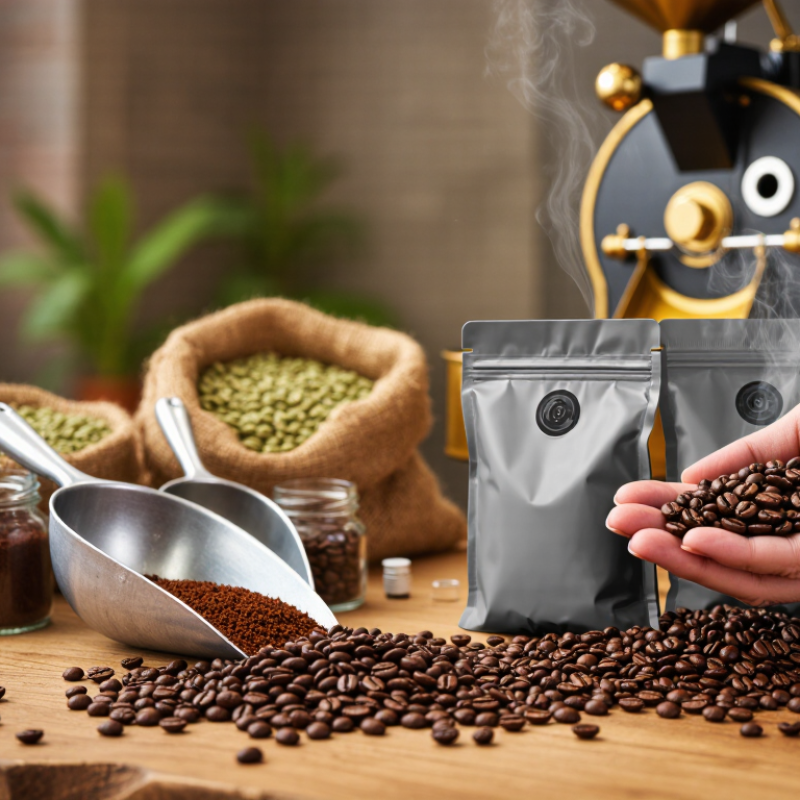
Define Fresh-Roasted Coffee Beans and Wholesale Buying Needs
Fresh-roasted coffee beans are beans roasted recently, usually with a clear roast date. They continue releasing carbon dioxide after roasting, so immediate brewing may taste sharp. Many coffees develop better balance after several days of rest. Freshness is not simply a recent date. Roast level, processing method, storage, and packaging also affect flavor. Buyers should check whole-bean appearance, aroma, roast consistency, and lot information before ordering.
Wholesale buying needs are more detailed than retail purchases. A café may require stable monthly volume, consistent roast profiles, and predictable delivery times. A distributor may need flexible origins, private packaging, and longer shelf planning. Request sample lots before accepting a large order. Compare the roast date, minimum order quantity, production capacity, lead time, and storage guidance. Ask how rejected or damaged shipments are handled. In practical sourcing work, clear specifications prevent expensive misunderstandings. Still, flavor can change between batches. That deserves honest discussion.
Tips: Keep beans in sealed, light-resistant bags with one-way valves. Avoid transparent packaging. Store samples in a cool, dry place, not beside ovens. Record tasting notes from each test batch. Do not judge freshness by aroma alone. A strong smell may hide uneven roasting. Trial orders are safer, although they can cost more per kilogram. Suppliers should provide traceable lot details and realistic delivery estimates. Small errors matter at wholesale scale.
How to Buy Fresh Roasted Coffee Beans Wholesale? - Define Fresh-Roasted Coffee Beans and Wholesale Buying Needs
| Buying Dimension | Practical Definition or Target | Why It Matters | Recommended Buyer Check | Suggested Wholesale Specification |
|---|---|---|---|---|
| Fresh-Roast Definition | Coffee roasted recently enough to preserve its intended aroma, flavor, and carbon dioxide balance. The roast date should be clearly stated. | Roast freshness has a direct effect on aroma intensity, extraction behavior, and cup consistency. | Request the roast date, production lot, and packing date before placing a recurring order. | Roast date required |
| Best Brewing Window | Many coffees perform well after a short degassing period, commonly around 3–14 days after roasting, depending on roast level, bean density, and brewing method. | Brewing immediately after roasting may produce excessive gas, while very old coffee may show weaker aroma and flavor. | Test the coffee at several points during the intended sales cycle rather than relying on one tasting. | Use a defined delivery-to-sale schedule |
| Coffee Form | Whole beans are generally preferred for maximum aroma retention. Ground coffee loses volatile compounds more quickly because of its greater exposed surface area. | The required format affects packaging, shelf life, equipment, and customer experience. | Choose whole bean for cafés and retail grinding; choose ground coffee only when grind size and turnover are tightly controlled. | Whole bean unless a specific ground format is needed |
| Origin Information | Origin may be identified by country, region, farm, cooperative, or blend composition, depending on the product. | Traceable origin information supports purchasing decisions, menu descriptions, and quality control. | Confirm the origin statement, harvest information when available, and whether the coffee is single-origin or a blend. | Origin and blend composition documented |
| Arabica or Robusta | Arabica and Robusta are different coffee species with distinct flavor, caffeine, body, and growing characteristics. Blends may contain either or both. | Species composition influences taste, price positioning, crema, caffeine level, and customer expectations. | Ask for the species composition and do not assume a product is 100% Arabica without written confirmation. | Species percentage stated |
| Roast Level | Light, medium, and dark are broad descriptions rather than globally standardized measurements. Color and flavor can vary between roasters. | Roast level affects acidity, bitterness, body, solubility, and the ideal brewing recipe. | Request a sample and evaluate it using the brewing method used by your customers. | Roast level plus sample approval |
| Flavor Profile | Flavor notes should describe sensory characteristics such as citrus, stone fruit, chocolate, caramel, nuts, floral tones, or spices. | A clear profile helps match the beans to espresso menus, filter coffee, offices, restaurants, or retail customers. | Compare the written profile with a cupping or brewed sample and record the result. | Profile, acidity, body, and finish included |
| Quality Grading | Quality may be assessed through physical inspection, defect counts, moisture, screen size, cupping, and applicable industry standards. | Quality checks reduce the risk of inconsistent flavor, excessive defects, and avoidable waste. | Request available quality documentation and establish an agreed sample approval process. | Sample approval required |
| Packaging Protection | Effective coffee packaging limits exposure to oxygen, moisture, heat, light, and odors. One-way degassing valves are commonly used for freshly roasted coffee. | Environmental exposure accelerates staling and can damage aroma quality. | Check the seal, material, valve function when applicable, bag size, and whether the package is suitable for transport. | Sealed, light-resistant, oxygen-controlled packaging |
| Pack Sizes | Common wholesale formats include small food-service bags, medium bulk bags, and larger commercial sacks. The exact size should match usage and storage capacity. | Appropriate pack sizes reduce opened inventory, storage losses, and unnecessary handling. | Estimate weekly consumption and choose packaging that can be used before quality declines noticeably. | Pack size matched to turnover |
| Minimum Order Quantity | Wholesale minimum order quantities vary by roaster, roast schedule, packaging format, and customization requirements. | A low minimum may suit testing, while a larger minimum may reduce unit cost but increase inventory risk. | Confirm the minimum by product, roast profile, pack size, and delivery destination. | Confirm before quotation |
| Order Frequency | Frequent smaller deliveries are often suitable for highly fresh café service, while larger periodic orders may suit stable, high-volume operations. | Order frequency balances freshness, freight cost, stock availability, and cash flow. | Compare projected consumption with delivery lead time and available storage. | Schedule based on actual weekly usage |
| Lead Time | Lead time includes order confirmation, roasting, packing, dispatch, transport, customs when applicable, and receiving. | Unexpected delays can cause stockouts or force buyers to hold excess inventory. | Obtain a written production and shipping timeline for both regular and peak-season orders. | Lead time documented in the order plan |
| Storage Conditions | Store roasted coffee in a cool, dry, dark, odor-free environment in a sealed package. Avoid refrigeration and repeated temperature changes unless a validated system is used. | Heat, moisture, oxygen, light, and strong odors can reduce quality. | Inspect the storage area and use stock rotation based on roast date and receiving date. | FIFO stock rotation recommended |
| Shelf-Life Policy | Quality duration depends on roast, packaging, storage, and product format. A best-before date should not replace checking the roast date. | Commercial buyers need a predictable quality period for menu planning and inventory control. | Ask how long the coffee is expected to maintain its intended profile under stated storage conditions. | Roast date and best-before date shown |
| Consistency Control | Consistency means the delivered coffee remains within agreed limits for origin, blend ratio, roast profile, packaging, and sensory characteristics. | Stable inputs support repeatable recipes, customer satisfaction, and accurate costing. | Define acceptable variation and request notice before changes to the blend or roast profile. | Written product specification |
| Sample Evaluation | A sample should be tested for aroma, sweetness, acidity, bitterness, body, aftertaste, defects, and performance in the intended brewing method. | Samples reveal practical performance more reliably than descriptions alone. | Use the same grinder, water, dose, ratio, temperature, and extraction method used in daily operations. | Approve before bulk purchase |
| Total Landed Cost | Total cost includes bean price, packaging, freight, insurance, duties, taxes, warehousing, testing, and possible payment fees. | The lowest quoted bean price may not produce the lowest usable cost. | Compare suppliers using cost per usable kilogram or pound after all applicable charges. | Calculate fully landed cost |
| Payment and Reorder Terms | Payment timing, currency, credit terms, reorder procedures, and price-adjustment rules should be agreed before recurring purchases. | Clear terms reduce disputes and make purchasing budgets more predictable. | Record payment schedule, validity of quotations, replacement policy, and reorder contact process. | Terms confirmed in writing |
Related Posts
-
How to Choose China Top Quality Coffee Suppliers?
-
10 Best High Quality Coffee Suppliers for Global Buyers
-
Finding the Right Manufacturer for Best Fresh Roasted Coffee Beans in a Competitive Market
-
Navigating the Challenges of Sourcing the Best High Quality Coffee in a Competitive Market
-

10 Secrets to Becoming a Pro Espresso Barista Fast
-
China's Premium Factories Delivering Exceptional Best Roasted Coffee to the World