How to Source Craft Coffee Beans Globally?
Sourcing Craft Coffee beans globally requires more than finding an attractive origin story. It demands reliable data, sensory evaluation, ethical purchasing, and careful logistics. The International Coffee Organization’s Coffee Development Report estimates that about 125 million people depend on coffee for their livelihoods, many through smallholder farms. That figure makes every purchasing decision more significant. A low price can affect a family, a harvest, and a community.
Demand is also expanding. The ICO reported global coffee consumption of approximately 177 million 60-kilogram bags during the 2023/24 coffee year. Meanwhile, the USDA’s Coffee: World Markets and Trade report continues to show strong production and trade concentration across Brazil, Vietnam, Colombia, and other major origins. These numbers provide direction, but they do not explain what happens inside a 30-kilogram parchment bag. They cannot reveal whether cherries were picked at peak ripeness, whether drying was uneven, or whether a producer received a fair return.
That is where practical sourcing begins. Buyers should compare farm records, processing methods, harvest dates, export documentation, moisture readings, and cupping results. Taste matters. So does evidence. The Specialty Coffee Association’s standards can support consistent evaluation, although standards alone cannot replace farm visits or trusted local relationships. A sourcing plan may look complete on paper and still fail during shipping, currency changes, or crop shortages. This guide explores how to reduce those risks while building transparent, resilient, and commercially realistic global coffee partnerships. Perfect sourcing does not exist. Better decisions do.
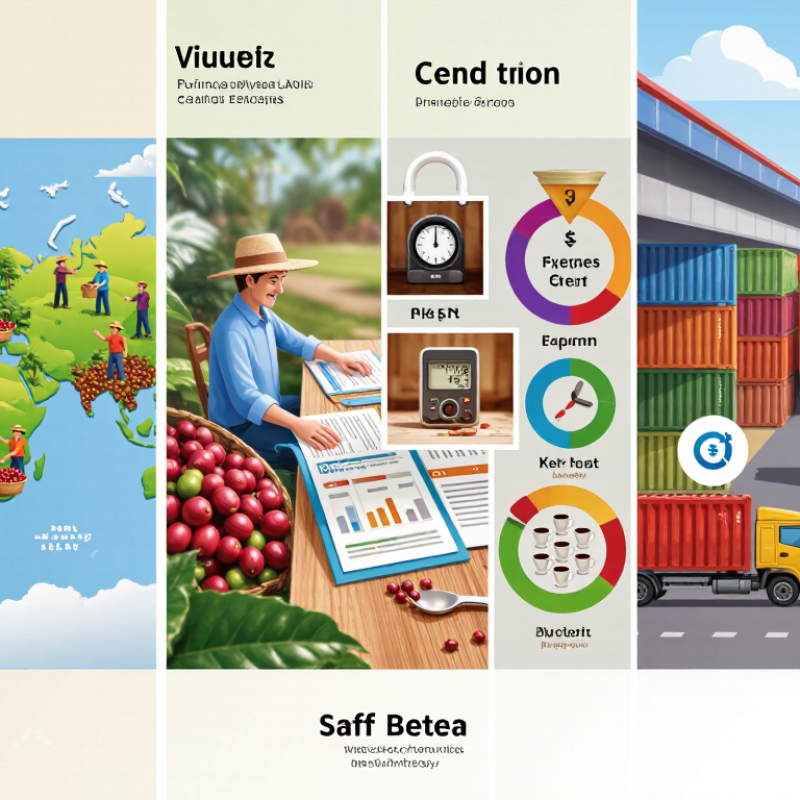
Frame Demand with ICO Data: 177.0M 60-kg Bags Consumed in 2023/24
How to Source Craft Coffee Beans Globally?
Frame Demand with ICO Data: 177.0M 60-kg Bags Consumed in 2023/24
The International Coffee Organization reported 177.0 million 60-kilogram bags consumed worldwide in 2023/24. That equals roughly 10.62 billion kilograms of coffee. This figure frames demand, but it does not predict every buyer’s needs. Craft sourcing requires smaller, sharper questions. Which origins match your flavor goals? When will each harvest arrive? Can the supplier document processing, lot separation, and export handling?
A practical sourcing plan begins with samples, not promises. Request green coffee specifications, moisture readings, defect information, and recent crop details. Compare samples from different elevations and processing methods. Ask how producers are paid and how quality claims are verified. A beautiful cup can still hide weak documentation. I have seen planning fail when a team trusted a sample but ignored shipping delays and crop variability. That mistake is common. Build room for it.
Tips:
Set a trial order before committing to volume. Keep tasting notes beside landed-cost estimates. Check crop calendars against your roasting schedule. Reconfirm availability before publishing a seasonal menu. Do not treat the ICO figure as a guaranteed supply forecast. It is a demand reference, not a buying instruction.
Set Quality Gates: Apply the SCA’s 80-Point Specialty Benchmark
When sourcing craft coffee globally, use the SCA’s 80-point specialty benchmark as a quality gate, not a marketing slogan. Request representative samples from each proposed lot. Cup them under consistent conditions, with the same roast level, water, temperature, and evaluation form. A score below 80 should trigger review before purchase.
Taste matters, but it is only one checkpoint. Record fragrance, acidity, sweetness, body, balance, and aftertaste. Note defects carefully, such as moldy, fermented, phenolic, or potato-like flavors. Check moisture, density, screen size, processing method, harvest date, and storage conditions. A bright sample may lose quality after weeks in poor transport. Ask for lot traceability and clear records from farm or cooperative to exporter.
Use two or three trained cuppers when possible. Personal preference can distort results. I once favored an expressive natural coffee, then noticed uneven fermentation across the cup. The score looked attractive, but the lot needed tighter sorting. That experience changed my process. A high score cannot replace physical inspection, reliable documentation, and repeat samples. Set acceptance limits before negotiation, including allowable defects, moisture range, and arrival condition. Keep the gate firm, but leave room for honest review. True quality is sometimes less dramatic in the cup.
Vet Farms and Exporters: Trace Each Lot from Plot to Port
Sourcing craft coffee globally begins with the farm record, not the exporter’s brochure.
The USDA Foreign Agricultural Service projected 2024/25 world coffee production at about 174.9 million 60-kilogram bags. That scale makes lot-level verification essential. Ask for the plot location, producer name, harvest dates, processing method, and lot volume. A clear paper trail matters.
174.9
million 60-kilogram bags
2024/25 world coffee production
Walk the chain in small steps. Compare farm maps with delivery receipts and mill intake records. Check whether one lot code follows the coffee from cherry collection to dry mill, warehouse, and port. Record moisture readings, screen size, defect counts, and sample results. Photograph sealed bags and container numbers. The International Coffee Organization’s 2024 Coffee Report and Outlook highlights climate and supply risks, so harvest timing and storage conditions deserve close attention. Coffee can change quickly in humid warehouses.
Exporters need the same scrutiny. Review their producer payment records, quality-control procedures, warehouse logs, and shipment documents. A recent production certificate is not enough.
Speak with the farm contact independently. Confirm the exporter can explain every handoff without guessing.
Small gaps reveal risk.
A spreadsheet may look perfect while hiding mixed lots or copied measurements. I would treat unexplained changes as unresolved, not automatically fraudulent. Verification costs time, and my own checklist can still miss seasonal labor changes or undocumented blending. That limitation should be recorded beside the lot, before payment and shipment.
Ship, Test, and Comply: Control Moisture, Defects, and Import Rules
How to Source Craft Coffee Beans Globally?
Ship, Test, and Comply: Control Moisture, Defects, and Import Rules
Global coffee sourcing begins with disciplined handling, not attractive sample photos. Green beans should leave origin in clean, sealed packaging with a clear lot number. Use a calibrated moisture meter before loading. A practical target is usually 10–12% moisture, but contract specifications and local conditions matter. High humidity can trigger mold, swelling, or flat flavors during transit. Container liners and desiccants help, yet they cannot repair poorly dried coffee.
Test more than one handful. Draw samples from several bags and record moisture, screen size, density, odor, and visible defects. An independent laboratory can check mycotoxins, pesticide residues, and other requirements when regulations demand it. Defect counts should follow a documented grading method, not personal impressions. I have learned that one excellent cup can hide uneven processing. That mistake is expensive.
Tips: Confirm the destination’s current import rules before payment. Check the correct tariff classification, commercial invoice, packing list, origin documents, labeling duties, and plant-health requirements. Ask the supplier for harvest details and processing records. Keep retained samples from every shipment. Photograph damaged bags immediately. Request written corrective actions, not vague promises. Customs rules change. Verify them with the relevant authority or a qualified customs professional.
How to Source Craft Coffee Beans Globally?
Ship, Test, and Comply: Control Moisture, Defects, and Import Rules
Shipping target
Export green coffee is commonly controlled around 8–12.5% moisture. Excess moisture increases the risk of mold and quality deterioration during transit.
Defect testing
Specialty-grade green coffee is commonly assessed against a limit of no primary defects and no more than five full defects in a 300 g sample.
Import compliance
Import requirements vary by destination. Check pesticide-residue limits, phytosanitary documents, labeling rules, and customs classification before shipment.
Indicative industry reference ranges for coffee moisture content. Actual specifications depend on origin, processing method, contract terms, and destination-country regulations. References: FAO coffee post-harvest guidance and the Specialty Coffee Association Green Coffee Classification System.