Why Are Ride On Toys in High Demand Worldwide?
Ride-on toys have moved beyond the familiar plastic car in the living room. Today, families can choose balance bikes, push-powered vehicles, and battery-powered models for different ages and play spaces. Their appeal is easy to see: a child grips the steering wheel, pushes off, and decides where the journey goes. That small sense of control can make ordinary play feel vivid. “A toy earns lasting appeal when children return to it and parents trust its design,” says toy-industry consultant Richard Gottlieb. This perspective helps explain why demand reaches across markets, even though family budgets and living spaces differ.
Parents often look for more than entertainment. They want sturdy construction, age-appropriate features, and a toy that can handle repeated trips across a driveway or park path. Children, meanwhile, are drawn to movement, pretend journeys, and the freedom to explore at their own pace. That mix gives the RIDE ON TOY category broad appeal, from simple foot-powered designs to feature-rich models. Yet demand is not proof that every product is a good fit. Size, supervision needs, surface conditions, and the child’s abilities still matter. Some toys look exciting online but may be awkward in a small home. A detail worth considering. This article explores the market forces behind rising interest, the features families value, and the practical questions that shape a confident purchase. It also considers what manufacturers can improve, because popularity alone does not guarantee thoughtful design.
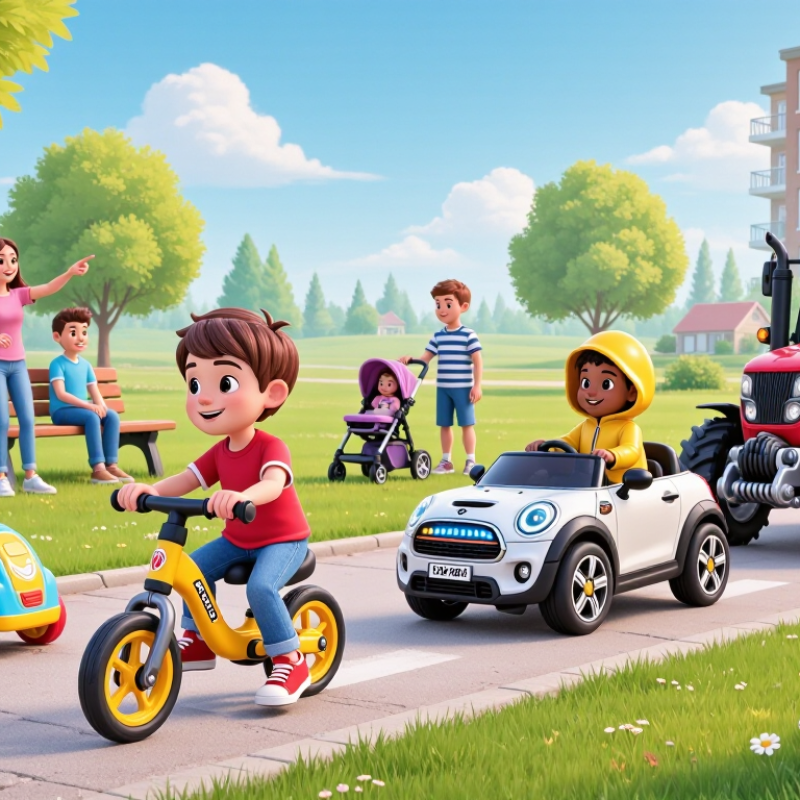
What Ride-On Toys Are and How They Are Used
Ride-on toys are play vehicles that children sit on or straddle and move themselves. Some travel by pushing with their feet, while others use pedals or a low-speed electric motor. Common forms include small cars, scooters, rocking animals, and balance-style toys. The category is not always clear-cut. A toy that works well on a smooth floor may feel difficult to steer on grass or uneven pavement.
Children use ride-on toys for imaginative play and basic movement practice. A child might steer a foot-powered car along a hallway, then park it beside a pretend garage. These simple actions can encourage coordination and spatial awareness, though every child develops at a different pace. Outdoor models need clear, level space away from driveways and traffic. Adult supervision matters, even when the toy moves slowly. Check that the seat, handles, and footrests fit the child, and follow the maker’s age and weight guidance. It is easy to focus on appearance and overlook fit. That deserves a second look. A suitable toy should let the child sit securely, reach the controls, and stop comfortably.
Key Benefits That Encourage Families to Choose Ride-On Toys
Ride-on toys give children a playful way to practice balance, steering, and coordination. A child pushing a small foot-powered car across the patio learns to judge distance and control speed. These toys can also inspire imaginative play, turning an ordinary driveway into a delivery route or race track. The fun feels simple, but the skills build through repetition.
For families, ride-on toys offer active play close to home. Parents can watch from nearby while children explore at their own pace. Some models suit indoor floors; others work better on smooth outdoor surfaces. Choosing the right size matters. Check the toy’s age and weight guidance, and look for stable construction and easy-to-use controls. A ride-on toy is not a substitute for close supervision, especially near steps, traffic, or pools. And, honestly, not every child will enjoy the same kind of toy.
Tips: Start on a flat, open surface and show your child how to stop and turn. Keep play sessions within sight, and check wheels and fasteners regularly. If a toy moves quickly or is used outdoors, follow its instructions about protective gear. A little setup prevents many avoidable bumps.
How Design, Price, and Availability Shape Consumer Demand
Ride-on toys appeal to children because they turn a driveway or living room into a place for imaginative play. Design shapes that experience. A low seat, easy-to-reach controls, and a stable wheelbase can help young riders feel confident. Small details matter. Textured footrests and a handle that is simple for an adult to grip make everyday use easier.
Appearance matters, too, but it is not the whole story. Bright colors and realistic dashboards may catch a child’s eye, while parents often look for clear age guidance, sturdy materials, and manageable assembly. Extra lights or sounds can add excitement, though they may also raise the price without improving play for every child. A flashy design is not automatically a better one.
Price and availability influence whether interest becomes a purchase. Families compare the upfront cost with expected use, storage space, and how quickly a child may outgrow the toy. Affordable options can widen access, but a very low price may mean fewer features or simpler materials. That trade-off deserves a closer look. Availability also varies by region and season; bulky products can be harder to find locally or more costly to deliver. A model shown online may not suit a child’s height or home space, so checking dimensions before ordering is a useful, if easily overlooked, step.
Why Are Ride-On Toys in High Demand Worldwide?
How design, price, and availability can shape consumer demand
Design, affordability, and availability are practical purchase considerations for families. The scores shown are illustrative relative ratings, not measured sales data or the results of a consumer survey.
Why Ride-On Toys Appeal to Different Markets Worldwide
Ride-on toys appeal to families for different reasons, and local routines shape what feels useful. In apartments, a compact push toy that turns easily may be more practical than a large battery-powered vehicle. In homes with yards or shared play areas, children may have more room to steer, stop, and practice balancing. Small details matter: doorway width, storage space, surface type, and how easily an adult can carry the toy.
Age and development also influence demand. Younger children often benefit from simple controls, stable wheels, and a seat they can climb onto without help. Older children may look for steering, pedals, or gentle speed changes that make outdoor play feel more independent. These are not universal preferences. A child’s confidence, coordination, and play environment matter as much as age labels. A poor fit can make an appealing toy frustrating.
Climate and household habits add another layer. In rainy regions, easy-to-clean surfaces may matter; in sunny areas, shade and indoor storage can shape when toys are used. Caregivers often compare durability, assembly, and clear safety guidance before buying. Details count. Yet product descriptions cannot predict every child’s behavior, and a toy suited to one family may be awkward for another. The market is varied, sometimes messily so.
Safety Standards and Product Trends Supporting Market Growth
Ride-on toys are gaining attention as parents look for active play that feels engaging and manageable. Safety expectations shape that choice. Grand View Research valued the broader global toys market at US$108.7 billion in 2023 and forecast 4.5% annual growth through 2030. This figure covers many toy categories, not ride-on products alone, but it signals a substantial market for play products.
Standards help turn safety claims into testable requirements. In the United States, ASTM F963-23 became mandatory under CPSC regulations on April 20, 2024. For ride-on toys, manufacturers and buyers should pay close attention to age guidance, stability, accessible moving parts, and battery compartments. Details matter. A low seat can help a child climb aboard, yet poor balance may still create a tipping risk. Clear instructions and realistic weight limits matter as much as bright colors.
Product trends also reflect practical family needs. Compact designs suit smaller homes, while rechargeable models reduce the need for disposable batteries. Simple controls and adjustable features can make a toy usable across different stages of childhood. Still, “more features” does not always mean better design; extra lights or sounds can distract from steering and braking. Safety tests cannot replace careful supervision, either. That distinction is easy to overlook.