

Why Choose a Skid Steer Loader?

Choosing a Skid Steer Loader starts with one practical question: how much work can fit into a compact machine?

On crowded construction sites, this answer matters. A skid steer can turn within its own working footprint, reach narrow corners, and switch attachments quickly. Its hydraulic system may power buckets, augers, trenchers, sweepers, or grading blades. That flexibility reduces idle equipment and keeps crews moving.

The Association of Equipment Manufacturers regularly identifies compact equipment as important to construction productivity and fleet utilization. Industry market analyses from Fortune Business Insights also show continuing demand for skid steer loaders across construction, agriculture, landscaping, and material handling. These reports support a broader trend: contractors want machines that perform several tasks without occupying excessive space.

The benefits become visible in ordinary details. A bucket can clear broken concrete before lunch. A trencher can follow a tight fence line. A pallet fork can move supplies across uneven ground. Attachment compatibility remains critical, however. A high-flow attachment needs matching hydraulic capacity, and operating weight must suit the site surface.

No machine is perfect.

A Skid Steer Loader may provide less ride comfort than a larger wheel loader. Its turning action can disturb finished surfaces, especially on soft soil. Fuel use, maintenance access, visibility, and operator training also influence real ownership costs. The U.S. Occupational Safety and Health Administration emphasizes equipment inspection, proper training, and safe operating procedures for construction machinery.

Reliable selection requires more than comparing horsepower. Review rated operating capacity, lift path, hydraulic flow, cab visibility, service support, and local attachment availability. A careful buyer matches the machine to daily tasks, not impressive brochure numbers. That discipline creates measurable value and avoids expensive underperformance.
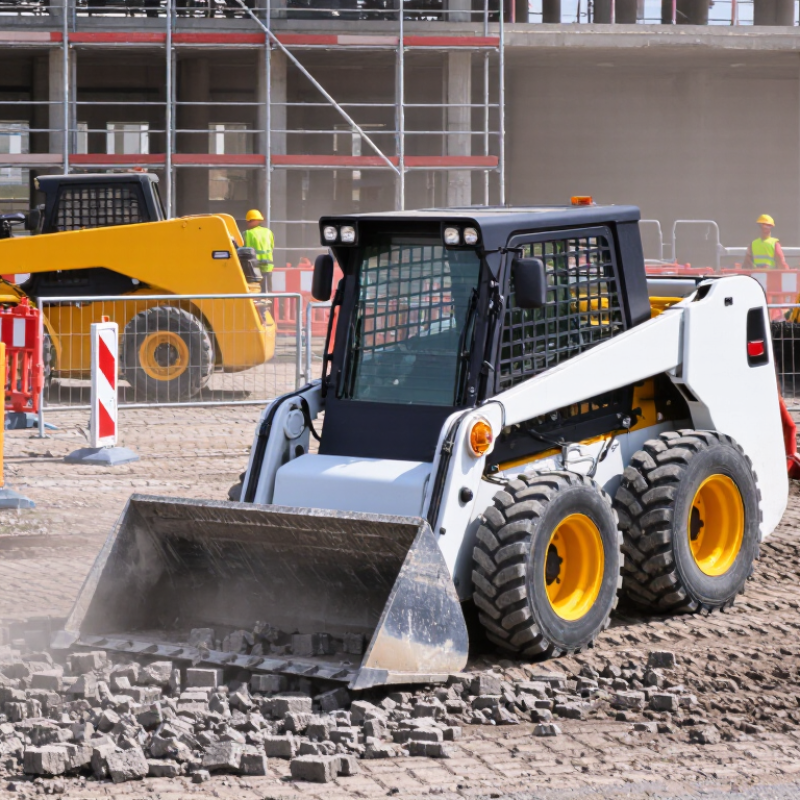
Why Choose a Skid Steer Loader?

What Is a Skid Steer Loader?

Why Choose a Skid Steer Loader?

What Is a Skid Steer Loader?

A skid steer loader is a compact machine with a rigid frame and independently controlled wheels or tracks. It turns by changing the speed of each side, rather than using front wheels. This movement lets the loader pivot within a tight space. That is useful on construction sites, farms, landscaping projects, and narrow access roads.

The operator sits inside a protective cab and controls a front-mounted lift arm. Attachments can include buckets, forks, augers, sweepers, and grading tools. One machine can handle several tasks, which may reduce equipment changes and transport costs. However, a skid steer is not perfect for every surface. Its tires can disturb soft soil, especially during sharp turns. Tracks may improve flotation, but they can increase maintenance expenses.

Tips: Check the rated operating capacity before lifting. Keep loads low while moving. Inspect tires, tracks, hydraulic lines, and attachment locks each day. Operators should also watch overhead hazards and uneven ground. Small mistakes can become expensive. In practice, choosing the right attachment matters as much as choosing the loader. I sometimes see productivity drop when operators select tools based only on size, not soil conditions or job requirements. Careful planning usually produces smoother, safer work.


How Does a Skid Steer Loader Work?

A skid steer loader works through a coordinated system of engine power, hydraulic pressure, and wheel movement. Its engine drives hydraulic pumps, which send pressurized fluid to travel motors and lifting cylinders. The motors turn the wheels or tracks on each side independently. This design allows the machine to pivot within its own length. Tight spaces matter.

When the operator moves the control levers, hydraulic valves direct fluid to specific functions. One lever may control travel, while another operates the lift arms and attachment. Pulling back raises the arms; pushing forward lowers them. Auxiliary hydraulic lines power tools such as buckets, augers, or sweepers. Each attachment requires suitable flow and pressure. I have found that matching these specifications prevents slow operation and unnecessary heat. Still, control response can feel abrupt when the settings or operator inputs are unfamiliar.

Safe operation begins with a practical inspection. Check hydraulic hoses, tires or tracks, fluid levels, pins, and the attachment connection before starting. Look for leaks. Keep bystanders outside the working area, especially during reversing. The loader may appear stable, yet a raised load can shift its center of gravity. Uneven ground increases that risk. Operators sometimes trust the machine too much; I have made that mistake during early practice. Lowering the attachment during travel, maintaining clear visibility, and using gradual movements provide better control.

Why Choose a Skid Steer Loader? How Does a Skid Steer Loader Work?

A skid steer loader turns by driving its left and right wheels or tracks at different speeds, allowing it to rotate within its own footprint. Its hydraulic system powers the lift arms and attachments, making one compact machine suitable for loading, grading, digging, snow removal, and material handling.

The chart compares representative rated operating capacities across common skid steer loader size classes. A higher rated operating capacity generally allows the machine to handle heavier loads, while compact models offer easier access in restricted work areas.

Values are representative industry figures based on commonly published specifications and are intended for general comparison rather than brand-specific evaluation.

What Are the Main Benefits of Using One?

Why Choose a Skid Steer Loader?

A skid steer loader combines compact dimensions with useful pushing power. It can turn within its own footprint, making tight sites easier to manage. Its quick-attach system also supports buckets, forks, augers, trenchers, and sweepers. One machine can handle several daily tasks. That flexibility matters when a project moves from grading to material handling within hours.

Research and Markets valued the global skid steer loader market at about $2.6 billion in 2023. The report projects continued growth through 2030, reflecting demand for compact, versatile equipment.

EquipmentWatch’s 2024 Rental Rate Blue Book also emphasizes comparing ownership, rental, and attachment costs before purchase. That point deserves attention.

Attachments may increase productivity, but they can also raise maintenance needs and operator training costs. A narrow loader may reach a backyard gate, while rubber tracks can reduce ground disturbance on soft soil. Still, performance depends on surface conditions, load weight, and operator skill. It is not magic.

The Occupational Safety and Health Administration stresses training, inspection, and safe operating procedures for powered equipment. Operators should check tires or tracks, hydraulic lines, attachment locks, and visibility before work begins. A clear cab view helps, but blind spots remain. Fuel use, noise, and uneven loads can also affect productivity. Choosing the correct lift capacity and attachment often delivers more value than choosing the largest machine.

Which Attachments and Tasks Does It Support?

A skid steer loader earns its place through attachment flexibility, not just compact size. Operators can switch from a general bucket to pallet forks, augers, or a grading blade. That range supports landscaping, construction, farm maintenance, and snow removal. On a residential site, the loader may carry soil in the morning and spread gravel after lunch. Its tight turning radius helps around fences, walls, and narrow driveways. Small details matter.

A bucket handles soil, gravel, mulch, and demolition debris when its capacity matches the loader. Pallet forks move bundled materials across firm ground. An auger drills post holes, while a trencher cuts narrow utility channels. For snow, a blade pushes clean paths, and a blower handles deeper accumulations. Brush cutters can clear dense growth, but they require careful control near rocks and hidden objects. Match hydraulic flow and pressure before installing powered attachments. I once underestimated that step, and the attachment worked poorly. The lesson was expensive in time, not damage.

Attachment choice also depends on ground conditions and operator skill. Wet clay can overload a bucket quickly. Uneven ground makes raised loads unstable. Check couplers, hoses, pins, and attachment locks before each shift. Keep loads low during travel, especially on slopes. A grading attachment may produce better results than a bucket, but only after the operator learns its control response. Real productivity comes from suitable tools, accurate capacity checks, and steady operation. Some jobs still need slower passes and repeated adjustments.

Why Choose a Skid Steer Loader? - Which Attachments and Tasks Does It Support?
Attachment Typical Tasks Suitable Materials or Areas Main Advantage Typical Operating Requirements Demand Level
General-Purpose Bucket Loading, carrying, backfilling, grading, stockpiling and removing loose material. Soil, sand, gravel, mulch, snow and construction debris. The standard all-round attachment for material handling and basic earthwork. Compatible with most skid steer loaders; bucket width and capacity should match the machine's rated operating capacity. Low to medium
Heavy-Duty Bucket Excavating, digging into compacted soil, handling rocks and loading dense materials. Clay, crushed stone, demolition debris and abrasive materials. Reinforced cutting edges and wear areas improve durability in demanding work. Requires sufficient lifting capacity and hydraulic stability for heavier loads. Medium to high
Pallet Forks Moving pallets, packaged materials, pipe, lumber, bagged products and equipment. Warehouses, construction sites, farms and landscaping projects. Provides clear visibility and fast handling of palletized loads. Load center, fork length and rated operating capacity must be checked before lifting. Low to medium
Auger Drilling holes for fence posts, signs, trees, footings and soil sampling. Soil, clay, gravelly ground and some frozen or compacted surfaces. Creates consistent holes without requiring a separate drilling machine. Bit diameter, depth and hydraulic flow must suit the ground conditions and machine. Medium
Trencher Cutting narrow trenches for irrigation lines, electrical cables, drainage and utilities. Prepared soil, lawns, verges and utility corridors. Produces a relatively narrow trench while minimizing surface disturbance. Chain type and digging depth should match the soil; underground utilities must be located first. Medium to high
Hydraulic Breaker Breaking concrete, asphalt, masonry, rock and other hard surfaces. Road repairs, demolition areas, foundations and excavation sites. Converts the loader into a compact demolition and rock-breaking unit. Needs compatible hydraulic flow, impact pressure and proper carrier weight. High
Grapple Bucket Collecting logs, branches, demolition waste, irregular objects and bulky debris. Forestry sites, storm cleanup, demolition areas and land-clearing projects. Hydraulic jaws hold uneven loads more securely than a standard bucket. Requires auxiliary hydraulic connections and adequate lift capacity for bulky loads. Medium to high
Brush Cutter Clearing weeds, grass, brush, saplings and light vegetation. Rights-of-way, vacant lots, fields, roadside areas and rough terrain. Provides fast vegetation management across large areas. Usually requires a suitable auxiliary hydraulic system; guards and operator protection are essential. High
Landscape Rake Removing stones, preparing seedbeds, spreading soil and final grading. Lawns, sports fields, garden beds and construction sites. Combines light grading with surface conditioning and debris collection. Works best on prepared or moderately loose ground; excessive rock can increase wear. Low to medium
Power Tiller Breaking up soil, mixing amendments and preparing planting areas. Gardens, landscaping projects, nurseries and small agricultural plots. Improves soil preparation without using a dedicated tractor-mounted tiller. Requires adequate auxiliary hydraulic flow and controlled forward travel. Medium to high
Snow Blade or Snow Plow Pushing, windrowing and clearing snow from roads, parking areas and sidewalks. Parking lots, private roads, commercial sites and municipal access routes. Provides quick seasonal conversion for snow removal work. Blade angle, width, surface conditions and optional float functions affect performance. Low to medium
Angle Broom Sweeping dirt, gravel, leaves, light snow and job-site debris. Road edges, parking lots, warehouses, sidewalks and paved work areas. Moves material to the side while cleaning a surface in a single pass. Brush diameter, angle adjustment and hydraulic flow should match the intended surface. Medium
Cold Planer Removing asphalt or concrete surfaces and preparing areas for repairs. Roads, parking lots, driveways and utility-cut restoration zones. Enables precise surface milling in confined spaces. High hydraulic flow, strong auxiliary cooling and controlled operating speed are commonly required. High
Stump Grinder Grinding tree stumps below ground level and clearing planting areas. Residential sites, parks, landscaping projects and land-clearing areas. Reaches stumps where larger equipment may have limited access. Requires high hydraulic performance, careful positioning and proper exclusion zones. High
Snow Blower Collecting and throwing deep or compacted snow away from cleared surfaces. Driveways, roads, walkways and areas where snow cannot be pushed aside. Moves snow over longer distances than a standard blade. Hydraulic flow, chute control and snow depth determine productivity. High
Selection note: Actual performance depends on loader rated operating capacity, tipping load, hydraulic flow, attachment weight, working height, ground conditions and operator technique. Always confirm attachment compatibility and manufacturer safety requirements before use.

What Factors Should Guide Your Choice?

Choosing a skid steer loader starts with the work, not the machine’s appearance. Walk the jobsite before comparing specifications. Measure gates, aisles, loading areas, and turning space. A narrow frame may matter more than extra horsepower.

Small detail. Consider the surface too. Mud, gravel, slopes, and finished concrete demand different tire or track choices. Tracks can reduce ground pressure, but they may increase maintenance and purchase costs.

The rated operating capacity should match your heaviest regular load, with a sensible safety margin. Do not choose based on occasional maximums alone. Review lift height, reach, hydraulic flow, and attachment compatibility.

High-flow attachments can improve productivity, but only when the loader supports their pressure and flow requirements. An oversized attachment may reduce stability and slow the work. Check coupler dimensions and hose routing before delivery.

Operator conditions deserve equal attention. Clear sightlines, adjustable controls, suspension seating, and manageable noise reduce fatigue during long shifts. Service access also affects real ownership costs. Inspect grease points, filters, tires or tracks, and hydraulic connections.

Ask how quickly common parts can be obtained locally. The first cost estimate is often wrong. Fuel use, downtime, transport, and attachment storage can change the final number.

A practical comparison sheet helps, although it will never replace an experienced operator’s judgment.

REQUEST FOR PORPOSAL

Bring the essence of Current to your space! Whether you envision a cozy coffee kiosk, a stylish window café, a dynamic coffee bar, or a multi-station coffee drive-through, the possibilities are endless.  Please fill out the form below to submit your proposal request. Our team will review your information and get back to you shortly.