Top China Second Hand Clothes UAE Suppliers?
Finding reliable China suppliers for the Second Hand Clothes Uae market requires more than comparing prices. Importers must examine garment quality, sorting standards, packaging methods, and delivery consistency.
Orsola de Castro, a recognised circular-fashion expert, said, “The most sustainable garment is the one already in your wardrobe.” Her observation gives this market a practical direction. Reusing clothing can reduce waste, but only when suppliers provide wearable, traceable, and honestly graded stock.
The best suppliers should explain their categories clearly. Grade A may include clean shirts, denim, dresses, and children’s wear with limited signs of use. Grade B can contain minor fading, loose buttons, or small marks. These details matter in the UAE’s warm climate, where breathable cotton and lightweight fabrics often sell better than heavy winter coats.
Ask for recent warehouse videos. Request sample bales before placing a larger order. Check odour, moisture, stains, fabric labels, and size distribution. A supplier’s photographs may look excellent, yet the delivered shipment can feel different.
That is the uncomfortable part.
Prices alone can mislead.
A dependable China supplier should also provide consistent invoices, packing lists, product descriptions, and shipment records. Buyers must review applicable UAE import requirements and work with qualified logistics professionals. Compliance protects both businesses and customers.
This guide compares supplier experience, sorting transparency, product variety, communication, and after-sales support. It also considers practical concerns, such as damaged packaging and uneven seasonal stock. Some suppliers may appear perfect online. They may not remain perfect under inspection. Careful testing, documented agreements, and realistic expectations create stronger sourcing decisions for the Second Hand Clothes Uae trade.
China’s Second-Hand Clothing Market for UAE Buyers
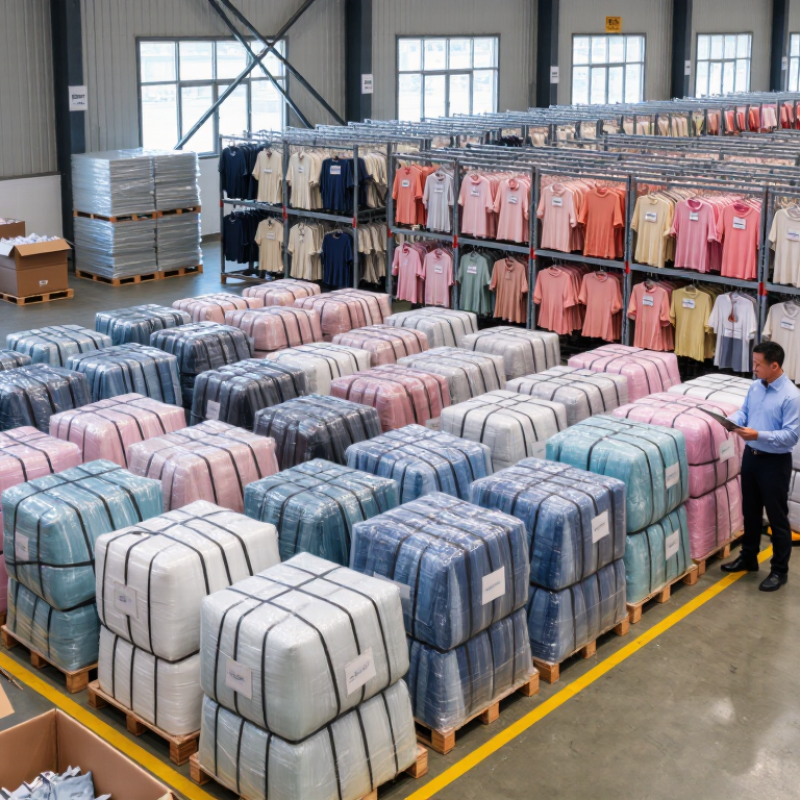
China’s second-hand clothing market offers UAE buyers broad access to affordable, reusable garments. Suppliers commonly sort items by category, condition, season, and material. The strongest exporters provide clear grading terms, sample photographs, packing lists, and shipment records. These details matter when a compressed bale contains hundreds of pieces.
UAE buyers should study local demand before placing an order. Lightweight shirts, children’s clothing, workwear, and modest everyday garments may suit different customer groups. Check fabric quality carefully, especially for cotton blends, zippers, seams, and visible stains. China’s climate and the UAE’s heat create different storage concerns. Clothing should arrive dry, clean, and protected from moisture during transport.
Ask for a small trial shipment first. It reveals actual sorting quality.
Reliable communication is equally important. Suppliers should explain minimum quantities, inspection options, delivery schedules, and customs documents without vague promises. Buyers must also verify current UAE import requirements through official authorities and use accurate product descriptions. Rules can change, and an old checklist may no longer be enough.
No grading system is perfect. Some pieces may be better than expected, while others may need repair or resale at a lower price. A practical purchasing plan includes this loss margin. Keep photos of received bales, record defects, and compare the results with the supplier’s original grade. This simple habit supports fair decisions and improves later orders.
Leading China-Based Used Clothing Supplier Categories
China-based used clothing suppliers serve the UAE through several practical categories: sorted wearable garments, mixed-grade bales, vintage pieces, seasonal stock, and textile-recycling material. Each category requires different inspection standards. Wearable clothing should arrive clean, dry, and accurately graded. Mixed bales cost less, but they create more sorting work in UAE warehouses. Small details matter, such as sealed packaging, moisture checks, size distribution, and clear product photographs.
Demand is becoming more measurable. A 2024 global resale industry report estimated that the second-hand apparel market could reach 350 billion US dollars by 2028.
The United Nations Environment Programme also reports that textiles create up to 8% of global greenhouse-gas emissions.
These figures support careful reuse, but they do not make every shipment sustainable. Transport, rejected items, and unnecessary packaging still add environmental costs. That point is easy to overlook.
Reliable suppliers should provide category definitions, recent inspection records, bale weights, and defect-rate samples. UAE buyers should also check fabric condition under strong light, especially around collars, cuffs, and seams. Children’s clothing, workwear, modest wear, and summer fabrics may need separate sorting because local demand differs by emirate.
Textile Exchange reported global fiber production at about 132 million tonnes in 2024, showing the scale of the wider textile system. However, recycled or used does not always mean high quality. A supplier may offer attractive prices while hiding inconsistent grading. Careful buyers should test a small shipment before expanding orders.
Step-by-Step Process for Sourcing Second-Hand Clothes
Sourcing second-hand clothes from China for the UAE requires a clear, practical process. Start by defining your product range, target prices, sizes, and acceptable clothing conditions. Suppliers should provide sorting standards, packing details, and recent warehouse photos. Ask for samples before placing a larger order.
Check fabric quality, stains, odors, broken zippers, and missing buttons by hand. A reliable inspection report should record item quantities and defect percentages. I once trusted photos too quickly and received mixed seasonal clothing. The mistake was expensive. Small samples matter.
Compare supplier quotations using total landed cost, not unit price alone. Include sorting, packing, freight, customs charges, and local delivery. Confirm that labels, invoices, and shipment documents match UAE import requirements. Work with an experienced freight agent when procedures seem unclear. Keep written records of every agreement and inspection result.
For the first shipment, choose a manageable quantity. Separate clothing into clear categories, such as shirts, trousers, jackets, and children’s wear. Use moisture-resistant cartons because sea transport can expose packages to humidity. Allow time for UAE customs clearance and final quality checks. Some suppliers may promise perfect grading, but second-hand stock naturally varies. That uncertainty deserves attention. Review customer feedback after each shipment, then adjust your specifications instead of repeating weak assumptions.
UAE Import Rules, Quality Checks, and Delivery Considerations
Choosing top China second hand clothes suppliers for the UAE requires more than comparing prices. Importers should confirm the correct HS code, customs documents, commercial invoice, packing list, and certificate of origin. Requirements can differ between mainland customs and free zones. Always check current UAE customs guidance before payment. Rules change, and old advice may be wrong.
Quality control should begin with a written grading standard. Request a small sample before ordering large bales. Inspect fabric condition, stains, tears, odors, moisture, and seasonal suitability. Ask how workers sort and disinfect garments. Clear photos help, but they cannot replace physical inspection. I have found that mixed grades often create disputes. Agree on acceptable defect percentages, bale weights, labeling, and inspection rights. Keep records for every shipment.
Tips: Confirm the importer’s trade license and required approvals. Use a documented pre-shipment inspection. Choose moisture-resistant packaging for sea transport. State Incoterms clearly, including who handles customs clearance and local delivery. Compare total landed cost, not only the supplier’s unit price. Allow time for port delays, inspections, and possible demurrage charges. A cheaper shipment can become expensive quickly. Some planning details remain uncertain, especially during busy seasons.
UAE Used Clothing Imports: Key Cost and Compliance Indicators
The UAE generally applies a 5% customs duty under the GCC common tariff, while the standard UAE import VAT rate is 5%. Actual landed costs may vary according to the product classification, customs valuation, origin, free-zone status, and applicable exemptions.
Before shipment, buyers should verify garment condition, sorting accuracy, cleanliness, moisture protection, bale weight, packing lists, commercial invoices, certificates of origin, and transport documents. Delivery time depends on the port, transport method, customs documentation, inspection requirements, and final delivery location.