

2026 Top 2 Inch TFT LCD Display Suppliers?

The 2026 Top 2 Inch TFT LCD Display Suppliers? question requires more than a simple vendor list. Small screens appear in handheld meters, medical instruments, smart locks, and industrial controllers. Their compact size creates demanding engineering choices. A bright panel may consume more power. A low-cost module may offer weaker viewing angles.

Industry data supports continued display demand. Grand View Research estimates the global TFT-LCD display market will expand through 2030, supported by consumer electronics, automotive systems, and industrial equipment. MarketsandMarkets also identifies rising demand for compact, high-resolution displays in portable and embedded applications. Meanwhile, Omdia’s display research highlights ongoing pressure on panel pricing, capacity utilization, and supply-chain resilience. These trends directly affect component availability, lead times, and supplier stability.

This guide evaluates suppliers through practical purchasing criteria. Resolution, active-area accuracy, luminance, contrast, interface type, touch compatibility, and operating temperature matter. So do sample quality, firmware support, documentation, and lifecycle commitments. A 2 Inch TFT LCD Display can measure only a few centimeters, yet its performance may decide product usability.

Real testing is essential. Check the panel under direct light. Inspect the FPC bend area. Compare colors across several samples. Ask for optical specifications, reliability data, and production references. Supplier claims are useful, but evidence is stronger.

No ranking is flawless. Pricing changes. Factories restructure. Regional availability also shifts. Therefore, this 2026 comparison combines published industry research, supplier capabilities, and practical selection experience. Readers should verify current certifications, quotations, sample results, and delivery terms before making a final decision.
2026 Top 2 Inch TFT LCD Display Suppliers?

What Is a 2-Inch TFT LCD Display?

What Is a 2-Inch TFT LCD Display?

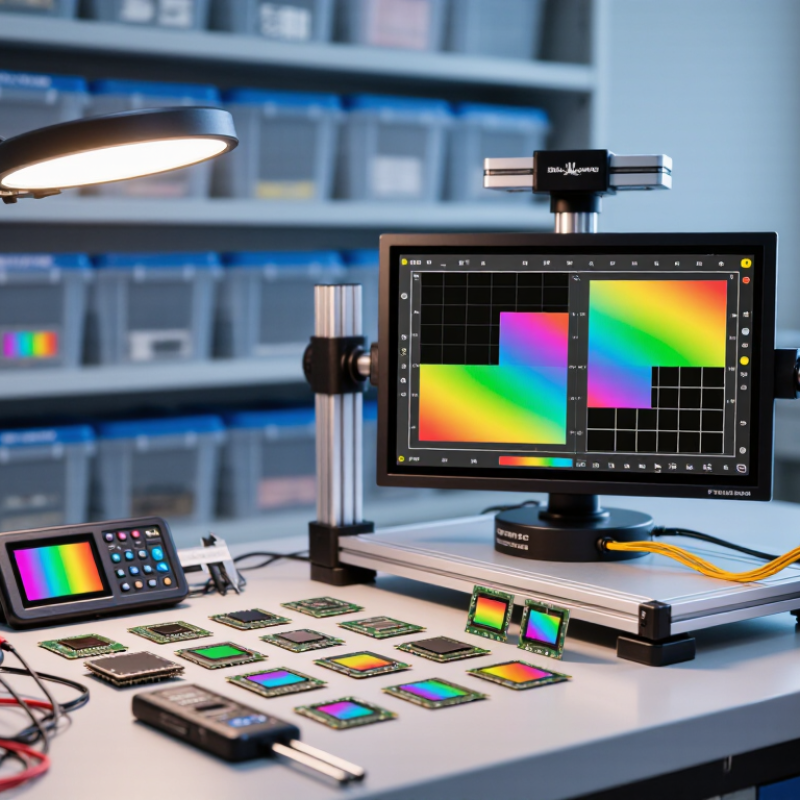
A 2-inch TFT LCD display is a compact active-matrix screen. Its diagonal measures about 5.08 centimeters. Each pixel uses thin-film transistors to control brightness and color accurately. The panel usually includes a glass substrate, liquid-crystal layer, polarizers, and a backlight. It is small, but not simple.

Compared with passive LCDs, TFT technology refreshes images faster and supports richer graphics. A typical 2-inch module may offer 240 × 320 or 320 × 240 pixels. Some versions use IPS technology for wider viewing angles.

Common interfaces include SPI and parallel RGB. Engineers use these displays in handheld meters, medical monitors, compact controllers, and portable instruments.

The screen can fit behind a narrow plastic window, although the cable and driver board still need space.

Market evidence supports continued demand for small display modules. Omdia’s 2024 display demand analysis identified consumer electronics and industrial equipment as important application areas for LCD panels. Meanwhile, the 2025 TFT-LCD market assessment from Mordor Intelligence forecasts steady growth through 2029, above four percent annually.

These figures describe the wider market, not only two-inch panels. That distinction matters.

A tiny screen may still require careful optical testing, especially under sunlight. I have also seen specifications look impressive while contrast drops sharply after assembly. Engineers should check the finished device, not only the datasheet.

Key Specifications for Comparing 2-Inch TFT LCD Suppliers

2026 Top 2 Inch TFT LCD Display Suppliers?

Comparing a 2-inch TFT LCD supplier requires more than checking screen price. Resolution, brightness, viewing angle, interface, and mechanical size affect real product performance. A 240 × 320 panel may suit a handheld meter, while a 320 × 240 panel can improve landscape graphics. Omdia’s 2024 display market analysis shows continuing demand for compact displays in industrial and portable electronics. This supports careful evaluation of long-term supply capacity.

Ask for measured brightness, not catalogue claims. Indoor instruments often need 300–500 cd/m², while outdoor equipment may require 800 cd/m² or more. Check contrast, color depth, response time, and viewing angles at the actual operating temperature. A supplier should provide interface timing, pin definitions, optical test conditions, and lifetime data. IEC 61747-30-1 offers useful guidance for LCD module measurement and reliability testing. In practice, connector position and FPC bending radius can cause more integration trouble than resolution. I have seen attractive samples fail during enclosure fitting.

Tips: Request three samples from different production batches. Compare brightness uniformity, dead pixels, startup behavior, and touch alignment. Confirm storage temperature, operating temperature, MOQ, warranty terms, and engineering-change notice procedures. TÜV Rheinland’s 2024 electronics quality research emphasizes traceability and documented testing, but supplier paperwork still needs independent verification. Do not trust one sample alone. It is a weak test. Also, review sunlight readability, firmware compatibility, and seven-year replacement availability before approving the supplier.

Leading 2-Inch TFT LCD Display Suppliers in 2026

Leading 2-Inch TFT LCD Display Suppliers in 2026

In 2026, leading 2-inch TFT LCD display suppliers offer more than compact screens. They provide stable color performance, responsive interfaces, and consistent production support. A practical supplier should explain viewing angles, brightness, operating temperature, and expected service life clearly. Datasheets matter, but samples reveal more.

A reliable 2-inch TFT LCD supplier can support common interfaces such as SPI, RGB, or parallel control. Engineers should check connector placement, mounting holes, touch compatibility, and backlight current before placing an order. A display may look sharp in a showroom yet perform poorly under sunlight. That detail is easy to miss. Ask for measured brightness data, not broad marketing language.

Quality control also separates experienced suppliers from uncertain ones. Strong candidates usually provide inspection records, color consistency checks, and traceable sample revisions. They should discuss minimum order quantities, lead times, packaging, and replacement procedures without hesitation. In my view, communication speed is a useful warning signal. Still, it is not a complete quality test. Some smaller suppliers respond slowly but produce excellent panels, while polished presentations can hide weak engineering support. Buyers should test several samples under heat, vibration, and continuous operation. A short evaluation period can expose uneven backlighting, loose connectors, or unstable touch response before these issues reach production.

Supplier Manufacturing, Customization, and Quality Capabilities

2026 Top 2 Inch TFT LCD Display Suppliers?

When comparing the top two-inch TFT LCD display suppliers, inspect manufacturing depth, not only catalog prices. A dependable supplier should control glass, backlight, driver integration, and final assembly. Ask for production photos, process flowcharts, and recent quality records. Their factory should explain pixel defects, brightness testing, and aging procedures clearly. A 2-inch display may look simple. It is not.

Customization separates capable suppliers from ordinary traders. Confirm viewing direction, interface type, connector position, touch panel structure, and operating temperature. Request a working sample with your enclosure, because small mechanical errors become obvious during installation. Professional suppliers provide drawings, optical data, inspection standards, and change-control records. They should also support small pilot orders before mass production. In practical sourcing, unclear sample revisions often create avoidable delays. I have found that even a polished specification can miss cable-bending limits.

Tips: Ask for three samples from different production batches. Check brightness uniformity, color consistency, touch response, and startup time. Keep one sample untouched for comparison. Also request a written failure-analysis process. ISO 9001 certification can support confidence, but it cannot replace factory audits or independent testing. Leave room for improvement; early assumptions are often wrong.

2026 Top 2 Inch TFT LCD Display Suppliers? - Supplier Manufacturing, Customization, and Quality Capabilities

Supplier Profile Manufacturing Capability Typical 2-Inch TFT Specifications Customization Capability Touchscreen Options Quality and Reliability Controls Production and Supply Capability Best-Fit Applications
Profile A
High-Volume Focus
Automated TFT-LCD assembly with controlled cleanroom processes.
Suitable for stable, repeat-production programs.
1.8–2.0 inch diagonal size
Common resolutions: 128 × 160, 176 × 220, or 240 × 320 pixels
Typical interface: SPI or parallel RGB
Operating temperature options commonly available from −20°C to +70°C
Custom FPC length and connector position
Tailored mounting holes and bezel dimensions
Customized initialization parameters and display orientation
Resistive or projected-capacitive touch options
Cover-lens bonding available for selected designs
Incoming material inspection
Automated optical inspection
Pixel, color, brightness, and contrast testing
Production traceability by lot
Strong repeatability for forecast-based orders
Engineering samples generally produced before mass production
Suitable for annual-volume purchasing
Handheld instruments, portable meters, access-control devices, and compact consumer electronics
Profile B
Customization Focus
Flexible production lines supporting multiple small-format TFT structures and customized mechanical designs. 1.8–2.0 inch diagonal size
RGB color displays with 262K or 16.7M color configurations, depending on controller and interface
Typical brightness range: approximately 200–500 cd/m²
Viewing direction and polarizer configuration can be selected during design
Active-area and outline drawing support
Custom glass thickness, FPC design, backlight structure, and cable routing
Support for logo-free or customer-specified front-panel treatment
PCAP touchscreens with optional cover glass
Touch controller and firmware matching
Glove-use or enhanced-sensitivity options may be evaluated
100% functional inspection before shipment
Backlight uniformity and dead-pixel inspection
Temperature, humidity, vibration, and transport testing available by project
Suitable for prototype-to-production projects
Flexible minimum order arrangements may be available for customized programs
Engineering change management supported
Medical accessories, laboratory equipment, smart-home controls, and industrial handheld terminals
Profile C
Industrial Reliability
Manufacturing processes designed for long-life industrial products and extended model availability. 2-inch-class TFT modules with wide-temperature options
Typical operating temperature choices include −30°C to +80°C for selected designs
Anti-glare, high-contrast, and sunlight-readable configurations may be specified
SPI, RGB, and selected serial interfaces supported according to controller selection
Custom backlight current and brightness targets
Connector, FPC, and mounting customization
Front polarizer, anti-reflection treatment, and protective structure options
Optional resistive touch for use with gloves or stylus input
Optical or air-gap bonding depending on display construction
Reliability verification using temperature cycling and operating-life tests
Electrostatic-discharge testing based on product requirements
Failure analysis and corrective-action procedures for qualified projects
Emphasis on lifecycle planning and controlled component changes
Reserved production capacity may be negotiated for long-term projects
Quality documentation packages available by agreement
Industrial controllers, power equipment, security devices, and transportation electronics
Profile D
Fast Development
Development-oriented assembly capability for standard 2-inch TFT modules and rapid proof-of-concept projects. Standard module sizes around 1.8–2.0 inches
Typical resolutions from 128 × 160 to 240 × 320 pixels
Commonly available with LED backlights and compact controller boards
Typical response time is suitable for instrument interfaces and basic graphical displays
Standard-module adaptation
FPC and connector changes for selected models
Custom firmware initialization and sample labeling
Standard resistive touch or compact PCAP options
Touch integration depends on available active-area dimensions
Sample inspection for color, image, touch response, and connector function
Basic burn-in and visual inspection before dispatch
Shorter sample preparation for standard configurations
Appropriate for pilot runs and moderate-volume orders
Standard parts normally provide the fastest purchasing cycle
IoT prototypes, wearable prototypes, test equipment, educational devices, and control panels
Profile E
Cost-Optimized Production
Standardized production approach focused on cost control, repeatable assembly, and commonly used module designs. Compact TFT displays with LED backlight
Common resolutions include 128 × 160 and 240 × 320 pixels
Typical brightness range: approximately 180–350 cd/m²
Interface selection usually based on standard controller availability
Limited but practical customization of FPC, connector, mounting frame, and backlight parameters
Standard mechanical drawings supplied for integration
Standard resistive touch or non-touch configurations
PCAP available when the selected module platform supports it
Sampling inspection and outgoing visual inspection
Basic electrical, display, and backlight testing
Lot-based quality records maintained for production orders
Competitive for recurring orders using standard specifications
Simplified customization helps reduce tooling and engineering costs
Suitable for cost-sensitive programs
Consumer devices, small appliances, basic monitoring instruments, and low-power embedded systems
Profile F
Compliance-Oriented
Supplier structure emphasizing documented processes, controlled subcontracting, and compliance support for regulated markets. 2-inch-class TFT modules with selectable brightness, temperature, and optical configurations
Resolution and interface depend on the selected panel-controller combination
Optional protective films and enhanced surface treatments
Customized display drawings and approval samples
FPC, connector, backlight, label, packaging, and mechanical integration support
Engineering validation documentation available for qualified products
PCAP and resistive touch options
Cover lens, bonding, and touch-sensitivity validation can be included in the project plan
Documented inspection procedures
Material and process change notification controls
ESD, electrical safety, environmental, and packaging tests selected according to end-use requirements
Better suited to customers requiring formal supplier evaluation
Production approval samples and controlled change procedures
Traceability and corrective-action reporting available by agreement
Healthcare accessories, professional instruments, safety equipment, and regulated industrial products

Note: Specifications shown are representative industry capability ranges for anonymous supplier profiles. Exact resolution, interface, brightness, temperature rating, touch construction, tooling requirements, minimum order quantity, lead time, and compliance documentation should be confirmed against the supplier’s current datasheet and quotation.

How to Choose the Right 2-Inch TFT LCD Supplier

2026 Top 2 Inch TFT LCD Display Suppliers?

Choosing the right 2-inch TFT LCD supplier requires more than comparing unit prices. Mordor Intelligence’s 2025 TFT-LCD market analysis projects roughly 5% annual growth through 2030. This growth increases supplier choices, but quality can vary sharply. Ask for measured brightness, contrast, viewing angle, and operating temperature. A small panel may sit behind dark plastic, so 500 nits on paper may look weak in a real enclosure.

Check the panel’s resolution, interface, touch compatibility, and backlight lifetime. Confirm whether the supplier supports SPI, RGB, or MIPI communication before testing prototypes. Samples reveal the truth. Test it under direct sunlight, cold starts, vibration, and continuous operation. The 2024 Display Supply Chain Consultants outlook highlights continuing pressure on display pricing and capacity planning. That makes stable production more valuable than the cheapest quotation. Request a lifecycle statement, change-notification process, traceability records, and failure-analysis support. ISO 9001 certification helps, but it does not replace inspection.

Review minimum order quantities and sample lead times carefully. A supplier offering ten samples may still require 50,000 units for production. Confirm color consistency across batches using the same test image and measurement method. Also check RoHS and REACH documentation for your target market. I would not rely on a polished presentation alone. In practice, engineers sometimes overlook connector strain or cable bending radius. That mistake can appear months later. A useful supplier should discuss these practical risks, not only send a catalog.

REQUEST FOR PORPOSAL

Bring the essence of Current to your space! Whether you envision a cozy coffee kiosk, a stylish window café, a dynamic coffee bar, or a multi-station coffee drive-through, the possibilities are endless.  Please fill out the form below to submit your proposal request. Our team will review your information and get back to you shortly.