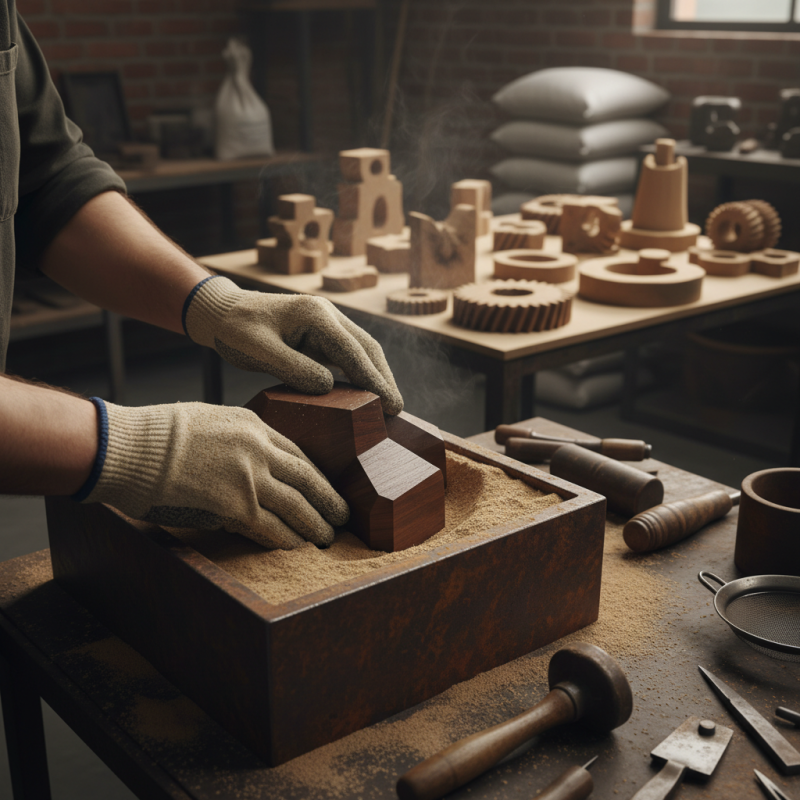
Ultimate Tips for Mastering the Sand Molding Process?
The sand molding process is a crucial technique in metal casting. It has been around for centuries, evolving into a reliable method of producing complex shapes. However, mastering this process requires more than just basic knowledge.
Understanding the intricacies of materials and techniques is essential. The right mixture of sand and binder can significantly impact the outcome. Many fail to recognize this. They overlook how moisture levels influence mold strength. Details matter, and often, small miscalculations lead to larger issues.
Practicing the sand molding process can be both rewarding and challenging. Mistakes will happen. It's important to review each attempt critically. Reflecting on what went wrong can lead to better results. Embracing imperfections allows for growth in skill and understanding. With dedication, any caster can master this art.
Understanding the Basics of Sand Molding: Key Concepts and Terminology
Sand molding is a fundamental process in metal casting. It involves creating molds from sand. Understanding the key concepts is crucial for success. The basic terms include pattern, mold, and core. A pattern shapes the sand. It represents the final product but is larger to account for shrinkage.
When starting with sand molding, consider the quality of your sand. Use clean, fine sand for the best results. This will help achieve smoother surfaces. Remember, not all sand is created equal. Some may clump or not hold shape well. Testing different sands can help identify the best choice for your projects.
Creating a proper mix of sand and binder is essential. Too much binder can make the sand too rigid. It might crack or break while molding. Too little binder will not hold the shape well. Finding the right balance is a challenge, but it can lead to better molds. Practice and patience are key elements in this learning process. Each attempt will refine your skills and understanding.
Ultimate Tips for Mastering the Sand Molding Process
| Key Concept | Description | Importance |
| Mold Composition | The materials used in creating the mold, typically sand, clay, and water. | Essential for achieving desired strength and stability in molds. |
| Mold Design | The process of creating the shape of the mold, including the dimensions and features of the casting. | Critical for ensuring the final product meets specifications. |
| Core Making | The process of producing sand cores that define internal features of the casting. | Necessary for creating complex geometries in cast parts. |
| Pouring Process | The act of pouring molten metal into the mold cavity. | Determines the quality and integrity of the final casting. |
| Cooling Time | The duration required for the molten metal to solidify in the mold. | Influences the microstructure and mechanical properties of the casting. |
| Finishing | The processes that refine and improve the surface quality of the casting. | Vital for aesthetic and functional performance in the final product. |
Selecting the Right Sand for Effective Molding: Types and Properties
When selecting sand for molding, various types are available. Each type has unique properties that impact the final cast. Silica sand is commonly used for its strength. However, it can be abrasive and may affect the mold's lifespan. Foundry sand offers better thermal properties, making it ideal for high-temperature applications. Yet, its availability can be limited.
Clay content in sand affects its ability to hold shape. Higher clay content improves binding but can lead to shrinkage. Fine sand creates detailed impressions, but it may not support heavier molds. Using coarser grains can enhance stability, yet these may compromise detail. Finding the right balance is crucial.
Experimentation is essential in the sand molding process. You might encounter issues with mold collapse or poor detail reproduction. Adjusting sand mixtures could resolve these problems. Trial and error will lead to better understanding. It's important to document results and reflect on what works best for your specific needs.
Step-by-Step Process of Creating Sand Molds: Techniques and Best Practices
Creating sand molds is a crucial step in the foundry industry. The process requires both precision and expertise. According to a recent industry report, over 60% of all metal castings use sand molds. The steps involved are vital.
Preparation of the sand is the first key step. Use the right mixture of sand and binders to ensure proper cohesion. The ideal sand should have less than 5% moisture content. Fine sand yields detailed molds. However, overly fine sand can lead to mold collapse under pressure. Finding the right balance is essential in achieving quality.
Next comes pattern creation. Patterns should be accurate, reflecting every intricate detail. The space between the pattern and the mold walls is critical. Too little space leads to defects. A deeper understanding of thermal expansion also matters. Many mold makers overlook this aspect, leading to distortions. It's an area where reflection on past mistakes can lead to improvement. Each step demands careful execution and attention to detail, which helps in reducing defects and enhancing the final casting quality significantly.
Common Challenges in Sand Molding and How to Overcome Them
Sand molding is a critical process in metal casting, but it comes with its own set of challenges. One major issue is moisture control. According to a report from the American Foundry Society, about 30% of defects in sand molds stem from improper moisture levels. If sand is too dry, it fails to hold shape. If too wet, it can lead to casting defects. Regular checks on the moisture content can help maintain the right balance, which is crucial for achieving high-quality molds.
Another common problem is the choice of sand. Not all sands are created equal. A study highlighted that 20% of foundries reported using suboptimal sand mixtures, resulting in increased scrap rates. Understanding the properties of different sands can lead to better performance. Fine sands might provide good detail, while coarser sands offer strength. Testing different mixtures and keeping meticulous records can lead to significant improvements over time.
The curing and hardening process also presents challenges. Inconsistent temperatures can affect the curing rate. Research indicates that 15% of mold failures are linked to temperature fluctuations during hardening. Implementing a controlled environment can minimize these failures, but it requires investment and attention to detail. Not addressing these variables can lead to costly errors and wasted materials. Reflection on these issues is essential for continuous improvement in the sand molding process.
Ultimate Tips for Mastering the Sand Molding Process
This chart displays the common challenges faced in the sand molding process on a scale of 1 to 10. Each bar represents the severity of the challenge, with higher values indicating greater concern in achieving optimal results during production.
Finishing Touches: Post-Molding Techniques for Optimal Results
After completing the sand molding process, the attention turns to finishing touches. These steps are critical for achieving optimal results. Proper post-molding techniques elevate the quality of your final product.
One important tip is to inspect the cast carefully. Look for imperfections like seams or bubbles. Addressing these issues early on helps avoid more significant problems later. A simple sanding can make a big difference. Use fine-grit paper for smooth surfaces. This can enhance the overall appearance and feel.
Another technique is to accurately remove the mold. This requires patience, as rushing can lead to unwanted breaks. Carefully tap around the edges with a soft tool. This reduces the chance of damage. Lastly, consider applying a protective coating. It can improve durability and provide a polished finish.
These finishing touches may seem minor, but they significantly impact the final outcome. Approach each step with care and remember that perfection is more of a journey than a destination. Embrace the learning process, and don’t be afraid to iterate. Each attempt brings you closer to mastery.