What is a Tandem Cold Rolling Mill and How Does It Work?
The tandem cold rolling mill is a cornerstone of modern steel processing. This equipment enhances material properties and surface quality while ensuring dimensional accuracy. According to recent industry reports, the cold rolling process can achieve thickness reductions of up to 90% in some applications. That's a significant efficiency gain.
These mills operate with multiple rolling stands in series, allowing for continuous processing. This design results in higher production rates compared to traditional single-stand mills. However, they require precise control systems and skilled operators. The complexity can sometimes lead to challenges in maintaining consistent product quality.
In recent years, the demand for advanced steel products has surged. This trend highlights the importance of tandem cold rolling mills in meeting market needs. Yet, the industry faces challenges associated with energy consumption and operational costs. Constant innovation and adaptation are necessary to keep pace with evolving technologies and demands.
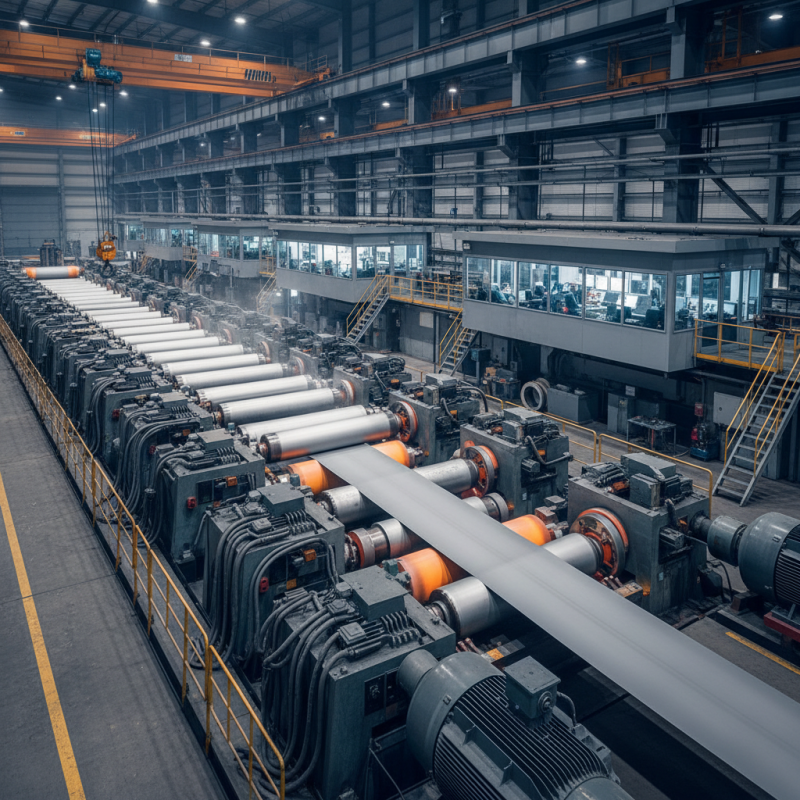
Understanding Tandem Cold Rolling Mills: Definition and Purpose
Tandem cold rolling mills play a crucial role in the metalworking industry. They process flat metal products by passing them through multiple rolling stands. Each stand reduces the thickness of the metal, making it thinner and more uniform. This process boosts strength and improves surface quality, which are essential for various applications.
Understanding the purpose of tandem cold rolling mills is important. They allow for higher efficiency in production. The steel or aluminum enters the first stand and exits thinner. Workers must monitor the process continuously. Any slight deviation can cause defects, disrupting production. Operators need to ensure the alignment and tension are just right. Therefore, experience matters in this field.
Additionally, the complexities of the process can introduce challenges. Unexpected malfunctions may occur during operation. Maintenance is often required to keep the machinery in good condition. Despite advancements, these mills still face issues like uneven roll wear. The learning curve isn't always smooth, highlighting the need for ongoing training. Awareness and adaptation are essential for success.
Key Components of a Tandem Cold Rolling Mill Explained
A Tandem Cold Rolling Mill consists of multiple stands arranged in sequence. Each stand has rollers that reduce the thickness of metal sheets. This arrangement helps in achieving thinner and harder materials. The precision and efficiency are crucial in manufacturing processes.
The key components of a Tandem Cold Rolling Mill include the roll stands, downcoiler, and hydraulic systems. The roll stands are the heart of the mill. They apply pressure to the metal as it passes through. Each stand is equipped with its own set of rolls. This setup allows for continuous operation. The downcoiler collects the finished strip. It ensures that the rolled material is wound properly.
Tips: Regular maintenance is vital. Check the hydraulic systems for leaks. Monitor the rolls for wear and tear. A well-maintained mill improves output quality and reduces downtime. Operators should stay vigilant. Adjustments may be necessary as the metal properties change. Each batch may require different settings.
Safety is paramount. Ensure that all safety guards are in place. Workers should be trained on emergency procedures. Machinery can be unpredictable, so caution is essential. Understanding the systems can prevent accidents and maintain productivity. Reflect on training needs regularly to enhance safety.
The Cold Rolling Process: Step-by-Step Breakdown
The cold rolling process is crucial in metal fabrication. It begins with heating raw metals and sending them through a tandem cold rolling mill. This mill consists of several stands, where each stand reduces the thickness of the metal strip. The process can decrease thickness by up to 50% with just one pass.
As the metal passes through the rollers, its temperature remains relatively low, preventing grain growth. Research indicates that cold rolling improves the yield strength of materials significantly. For instance, the yield strength can increase by up to 20% as the metal is work-hardened. However, managing this strain hardening can be challenging, leading to cracks or defects in some cases.
Moreover, lubrication plays a vital role in this process. Adequate lubrication minimizes friction and prevents damage to both the metal and the mill. Reports show that the right lubricants can enhance efficiency by 30%. Yet, these operations can be wasteful if leftover lubricants are not disposed of correctly. Ensuring sustainability in cold rolling requires continuous improvement and reflection on practices.
Tandem Cold Rolling Mill Production Data
This bar chart illustrates the production output of a tandem cold rolling mill for different types of steel over a six-month period. The data reflects the monthly output in tons of various steel grades processed through the mill.
Advantages of Using Tandem Cold Rolling Mills in Manufacturing
Tandem cold rolling mills offer significant advantages in the manufacturing industry. These mills streamline the production process by handling multiple rolling stands in one continuous line. This allows for efficient metal shaping with minimal downtime. Manufacturers can produce thinner sheets of metal, which are crucial for various applications. The precision offered by these mills leads to improved material properties.
Another benefit is the reduction in operational costs. By using tandem mills, companies can decrease energy consumption. Efficient production also means lower labor costs, as fewer operators are needed to manage the process. However, this approach requires careful planning and maintenance. Not every facility can adapt to such sophisticated machinery easily.
Despite these advantages, some manufacturers may struggle with the initial investment. The technology can be daunting, leading to a learning curve. Moreover, maintenance challenges can arise due to the complexity of the equipment. These factors must be carefully considered before making the switch to tandem cold rolling mills.
Applications of Tandem Cold Rolling Mills in Various Industries
Tandem cold rolling mills play a crucial role in various industries, especially in metal processing. These mills are designed to produce high-quality, thin metal sheets and strips. According to industry reports, the global cold rolling market is expected to grow significantly, reaching around $20 billion by 2025.
The automotive industry heavily relies on tandem cold rolling mills. They provide high-strength steel products essential for manufacturing vehicles. For instance, a typical vehicle can contain over 1,000 kg of steel. The precision and efficiency of tandem rolling enable better fuel efficiency and safety in automotive applications.
Another major application is in the construction sector. Thin metal sheets produced by these mills are vital for roofing and structural components. Reports indicate that around 30% of construction materials are steel-based, underlining the importance of efficient manufacturing processes.
Tip: Regular maintenance of cold rolling equipment can enhance productivity by 15%. Minor adjustments can lead to significant performance improvements. Always ensure that operators are well-trained.
In canning and packaging, tandem cold rolling mills produce aluminum and tinplate materials. These products are crucial for food preservation. Sustainability is a growing concern, and using recycled materials in these processes is now a common practice. However, not every mill adapts quickly, revealing a gap in industry best practices.
Tip: Consider assessing your operational processes yearly. Identifying bottlenecks can lead to enhanced efficiency and lower costs. The industry's evolution depends on innovation and adaptability to changes.