What is an Interlocking Nail Implant and How Does it Work?
An Interlocking nail implant is a groundbreaking device used in orthopedic surgery. Its primary purpose is to stabilize fractured bones, particularly in long bones like the femur or tibia. This innovative implant features a rigid nail that is inserted into the medullary canal of the bone, promoting proper alignment and healing.
The interlocking nail implant works through a combination of mechanical support and biological integration. The nail is usually made of durable materials, enabling it to withstand considerable forces during healing. Holes along the nail allow for screws to secure fragments, ensuring stability. However, achieving optimal bone integration can be challenging, prompting discussions among surgeons.
Despite its advantages, the interlocking nail implant is not without limitations. Some patients may experience complications, such as infection or delayed healing. These potential drawbacks highlight the need for careful patient selection and thorough preoperative planning. It is essential to weigh the benefits against the risks when considering this surgical option.
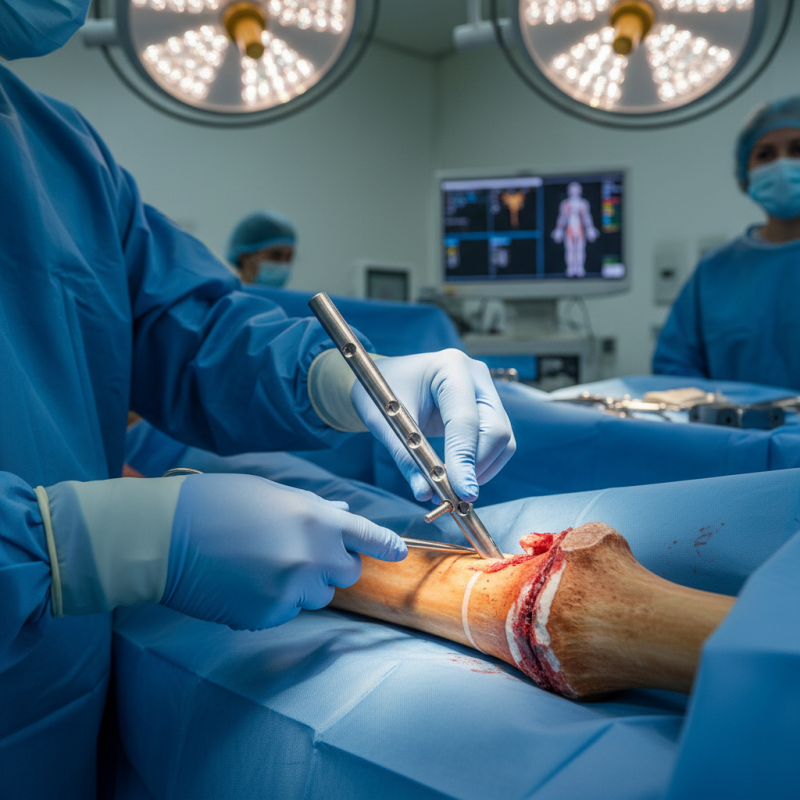
What Is an Interlocking Nail Implant?
An interlocking nail implant is a surgical device used to stabilize fractures in long bones. It is characterized by its unique design, which allows for an intramedullary nail to be fixed with locking screws. This creates a stable construct, facilitating optimal healing conditions. According to a recent study, interlocking nails are effective in treating diaphyseal fractures, with a success rate above 90%.
The procedure involves inserting the nail into the medullary canal of the bone. This placement allows for minimal disruption to the surrounding tissues. A notable advantage of interlocking nails is their ability to provide stabilization while preserving blood supply to the bone. However, improper placement can lead to complications such as malunion or infection, making the surgeon's expertise crucial.
Biomechanical studies show that interlocking nails distribute the load effectively, reducing the risk of implant failure. A report from the Journal of Orthopaedic Trauma found that the rigidity of interlocking nails helps in early mobilization for patients. Despite their benefits, there are challenges, such as the potential for postoperative pain and the need for careful consideration during patient selection.
Components of an Interlocking Nail Implant
Interlocking nail implants are advanced devices used in orthopedic surgery. They play a crucial role in stabilizing fractured long bones. The success of these implants hinges on their components, which include the nail itself, locking screws, and insertion tools.
The nail is typically made of titanium or stainless steel, known for its strength and biocompatibility. The interlocking mechanism involves screws that pass through the nail. This design enhances fracture stability and reduces the risk of malalignment. According to a recent industry report, the market for orthopedic implants is projected to grow at a CAGR of 4.5% from 2023 to 2030. This growth reflects the increasing demand for effective surgical solutions.
Insertion tools are essential for the placement of the nail and its locking screws. These tools must ensure precise positioning. While the system is generally effective, some studies indicate complications may arise. Such complications could include infections or issues with hardware failure. Continuous monitoring and improvements in surgical techniques are required to address these problems. Data indicate that up to 10% of patients may experience some form of post-operative challenges. Therefore, further research and innovation in this field are critical.
Mechanism of Action: How It Works
Interlocking nail implants are innovative devices used in orthopedic surgery. They support bone healing, especially in fractures. The mechanism of action is fascinating and effective. These implants work by stabilizing broken bones internally. They provide a solid structure for recovery.
When a bone is fractured, alignment is critical. The interlocking nail maintains this alignment. Surgeons insert the nail into the marrow cavity of the bone. Small screws then secure the implant at both ends. This prevents movement and allows for natural healing. It’s a simple concept, yet powerful in execution.
However, the procedure isn’t without challenges. The insertion can be tricky. Surgeons must ensure precise placement to avoid complications. There might be a risk of infection. Patients need to discuss these factors with healthcare providers. Overall, understanding the mechanism of action helps in appreciating this advanced orthopedic solution. It offers a glimpse into how modern medicine addresses complex issues.
What is an Interlocking Nail Implant and How Does it Work? - Mechanism of Action: How It Works
| Feature | Description | Mechanism of Action |
| Definition | An interlocking nail implant is a type of intramedullary nail used in orthopedic surgery. | Provides stability to fractured bones by locking the nail in place within the bone. |
| Material | Typically made from stainless steel or titanium. | Materials are biocompatible and can withstand mechanical stresses. |
| Application | Used for the treatment of long bone fractures, particularly in the femur and tibia. | Aligns the bone fragments for proper healing and restoration of function. |
| Procedure | Inserted through a small incision and positioned within the medullary canal. | Locks into place using screws to maintain fracture alignment. |
| Benefits | Minimally invasive, reduced recovery time and quick return to mobility. | Stabilizes fractures and facilitates early rehabilitation. |
| Risks | Infection, improper alignment, or non-union of the fracture. | Requires careful surgical technique to minimize complications. |
Indications for Use and Benefits of Interlocking Nails
Interlocking nail implants are vital in orthopedic surgery. They are used for stabilizing long bone fractures. These implants provide internal fixation through locked mechanisms, reducing movement at the fracture site.
Indications for using interlocking nails include complex fractures, particularly in the femur and tibia. The International Orthopaedic Association reports a 90% success rate in restoring limb function. Patients often experience less pain and shorter recovery times compared to traditional methods. However, complications can arise, such as infection or misalignment during placement.
Benefits include their minimally invasive nature and versatility. Interlocking nails work well in both stable and unstable fractures. They allow for early mobilization, which is crucial for rehabilitation. Studies show that patients can return to daily activities in about 10 to 12 weeks. Yet, some cases may still require additional procedures. This reflects the need for careful preoperative assessment and personalized treatment plans.
Interlocking Nail Implant - Usage Statistics
This chart illustrates the distribution of interlocking nail implant procedures across various indications. The data reflects the growing utilization of interlocking nails in trauma, osteotomy, and revision surgeries, showcasing their effectiveness and broad application in orthopedic practices.
Post-Operative Care and Recovery Process
Post-operative care is critical after receiving an interlocking nail implant. Following surgery, patients typically experience some discomfort. It’s essential to follow your healthcare provider's instructions carefully. Rest is key during the initial recovery days. Keep the surgical area clean and dry to prevent infection.
Tips: Elevate your leg when resting. This helps reduce swelling. Ice packs can also alleviate pain. Changing positions frequently aids in circulation.
The recovery process varies among individuals. Some may regain mobility quicker than others. Physical therapy often begins after a few weeks. Gentle movements can strengthen the surrounding muscles. It's normal to feel frustrated during this journey. Patience is vital as healing takes time. Regular follow-ups with your doctor are necessary to monitor progress.
Tips: Track your rehabilitation exercises. Celebrate small achievements. This helps maintain motivation through challenging days. Remember, healing is a personal journey, and it's okay to take it one step at a time.