


How to Choose the Best Digital Watch for You?
Choosing the best Digital Watch is less about chasing the newest model. It is about matching technology with daily habits, comfort, and genuine needs. A runner may value GPS accuracy and heart-rate tracking. A frequent traveler may prefer world time, alarms, and a battery that lasts for months. Someone working outdoors might need a readable display, strong water resistance, and physical buttons.
Eric Migicovsky, founder of Pebble, expressed a useful principle: “A smartwatch should be a watch first.” That idea still matters when comparing modern Digital Watch options. A practical choice should show time clearly, respond reliably, and remain comfortable after hours on the wrist. Battery performance deserves close attention. A bright color screen can look impressive in a store, yet it may require daily charging. That can become frustrating during travel or exercise.
Start with your routine.
Check the case size against your wrist. Review the strap material, screen visibility, software support, and repair options. Independent reviews and manufacturer specifications can reveal different weaknesses. Marketing claims do not tell the whole story. Water resistance is also easy to misunderstand, especially when swimming or showering. No device is perfect. Even careful buyers may prioritize one feature and regret ignoring another. This guide examines the practical factors behind a confident decision, helping you choose a Digital Watch that serves real life instead of merely displaying attractive specifications.
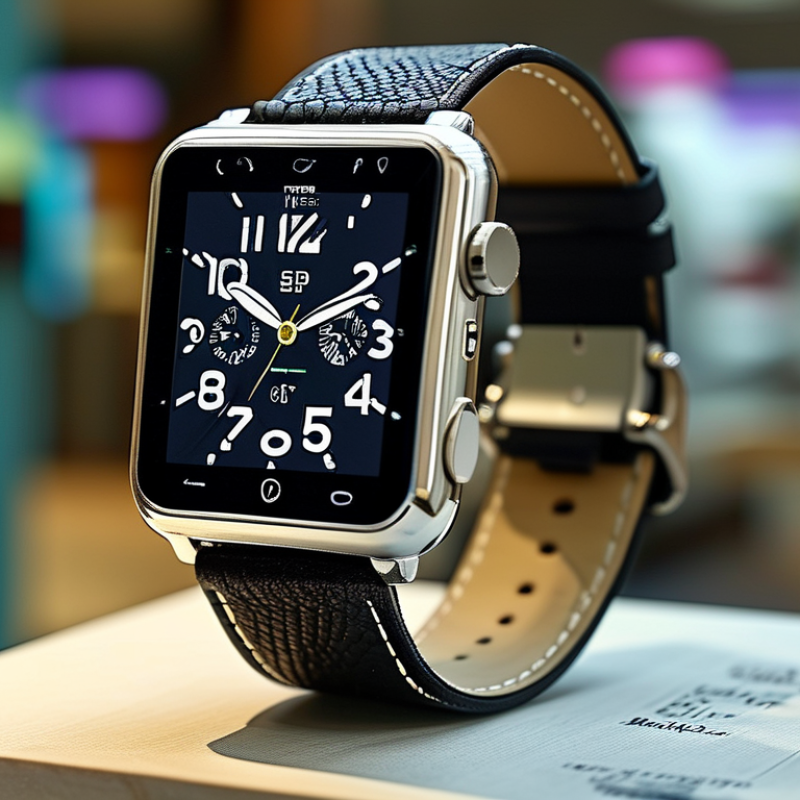
Understanding Your Daily Needs and Digital Watch Features
Choosing the best digital watch starts with your daily routine, not a feature checklist. Begin by observing your actual habits for three days. Do you walk between meetings, run outdoors, or check messages beside a noisy train platform? These details shape the right screen, controls, and battery life.
Battery matters. Very much. IDC’s Worldwide Quarterly Wearable Device Tracker reported 537.7 million wearable devices shipped worldwide in 2024. Counterpoint Research also reported a 7% year-on-year decline in global smartwatch shipments that year. These figures suggest a crowded market, but popularity does not guarantee suitability. A commuter may need dependable notifications and five-day battery life, while a runner may value accurate GPS and readable numbers in sunlight. Choose the function you will use repeatedly.
Look closely at health features, too. Sleep tracking can reveal bedtime patterns, but it should not replace professional medical advice. Optical sensors may perform differently with loose straps, darker skin, tattoos, or heavy movement. I have found that comfort often decides whether tracking continues after the first week. A watch that irritates your wrist becomes expensive decoration.
Consider water resistance, charging time, button placement, and phone compatibility. Touch controls can fail with wet fingers. Small screens may frustrate users with poor eyesight. I still think manufacturers overemphasize novelty. Your best choice may be the less exciting model that survives rain, a long workday, and your ordinary habits.
How to Choose the Best Digital Watch for You? - Understanding Your Daily Needs and Digital Watch Features
| Digital Watch Type | Best Daily Need | Typical Battery Life | Display and Controls | Water Resistance | Health and Activity Features | Navigation and Connectivity | Strengths | Trade-Offs |
|---|---|---|---|---|---|---|---|---|
| Basic Digital Watch | Reliable timekeeping, alarms, timers, and everyday use | Approximately 1–5 years with a replaceable coin-cell battery | Small LCD display with physical buttons; usually readable in direct light | Commonly 30–100 meters, depending on the model | Usually limited to time, date, alarm, stopwatch, and countdown timer | No GPS; generally no wireless data connection | Very long battery life, low maintenance, lightweight, and easy to operate | Limited health tracking, fewer customization options, and no smart notifications |
| Fitness Activity Watch | Step counting, exercise tracking, sleep monitoring, and habit building | Approximately 5–14 days, depending on screen use and sensor activity | Small color touchscreen or button-assisted display; designed for quick checks | Commonly rated for swimming or showering, often around 50 meters | Steps, heart rate, calories, sleep, workout modes, and sometimes blood oxygen estimates | Usually connects to a phone; GPS may rely on the paired phone | Comfortable for all-day wear and useful for basic wellness trends | May provide less detailed training data and fewer navigation tools than advanced models |
| GPS Sports Watch | Running, cycling, hiking, training plans, and performance analysis | Approximately 5–20 days in watch mode; about 10–50 hours with active GPS | High-contrast display with physical buttons or a touchscreen; designed for outdoor visibility | Commonly 50–100 meters, with many models suitable for swimming | Heart rate, pace, distance, elevation, training load, recovery, and multiple sport profiles | Built-in GPS; may support route tracking, phone notifications, and wireless syncing | Detailed workout data, strong GPS performance, and effective training features | More expensive and complex; frequent GPS use significantly reduces battery life |
| Smart Digital Watch | Communication, calendar access, payments, music controls, and connected tasks | Approximately 1–3 days for feature-rich models; some simpler models last longer | Bright color touchscreen with customizable widgets and interactive apps | Often water-resistant for everyday use and swimming, but not always suitable for diving | Heart rate, sleep, workouts, notifications, and selected wellness measurements | Phone notifications, calls, apps, wireless payments, and sometimes built-in GPS | Broad functionality and convenient access to essential phone features | Shorter battery life, more frequent charging, and greater dependence on software and a phone |
| Rugged Outdoor Digital Watch | Camping, field work, travel, hiking, and demanding outdoor conditions | Approximately 1–4 weeks; solar-assisted versions can extend operating time in suitable light | Large, high-contrast display with tactile buttons and strong backlighting | Commonly 100–200 meters, with impact and temperature resistance varying by model | Some models include a compass, altimeter, barometer, storm alerts, and activity tracking | May include GPS, route tracking, wireless syncing, or limited phone notifications | Durable construction, dependable controls, strong outdoor readability, and long endurance | Usually bulkier and heavier, with fewer communication and app features than smart watches |
| Hybrid Digital-Analog Watch | Traditional appearance with selected connected and activity features | Approximately 6 months to 2 years, depending on functions and battery type | Analog hands combined with a small digital window or discreet indicator display | Commonly 30–100 meters, depending on construction and intended use | May include step tracking, sleep data, basic activity logging, and vibration alerts | Usually connects to a phone for syncing; built-in GPS is uncommon | Subtle appearance, long battery life, and less distracting notifications | Smaller displays, fewer on-watch controls, and less detailed fitness information |
Typical specifications vary by model. Check the manufacturer’s instructions for exact battery life, water-resistance limits, sensor accuracy, and supported activities before purchase.