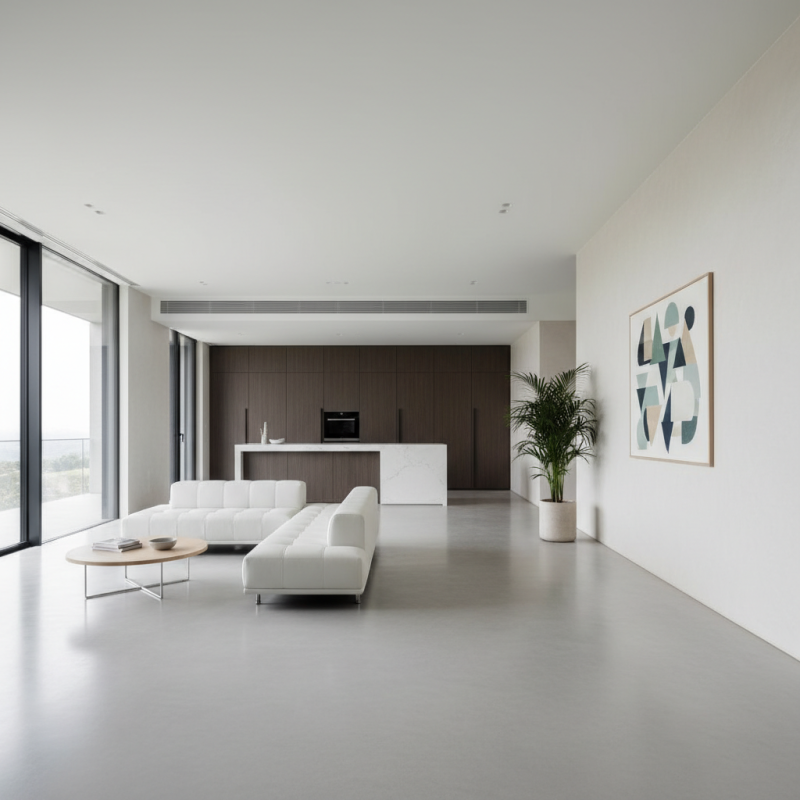
What is a Homogeneous Floor and Its Benefits in Design?
The concept of a homogeneous floor plays a vital role in modern design. A homogeneous floor is made from one consistent material, allowing for a seamless look throughout. This uniformity adds an elegant touch to any space, whether residential or commercial.
The benefits of this design choice are significant. homogeneous floors are durable and easy to maintain. They resist stains and wear, making them ideal for high-traffic areas. Additionally, their smooth surface can enhance the sense of space in smaller rooms. Yet, some may overlook the potential drawbacks. The installation process can be complex, requiring skilled labor.
Incorporating a homogeneous floor also invites reflection on personal style. While it offers a clean aesthetic, it is essential to consider how it aligns with overall design goals. Balancing personal taste with practicality can be challenging. Thus, this design choice deserves careful thought.
What is a Homogeneous Floor?
Homogeneous flooring is a type of flooring made from a single material throughout. This creates a seamless look, making it appealing for both residential and commercial spaces. It is often produced through a process that ensures uniformity in color and texture. This consistency is a standout feature. It can enhance aesthetics, making spaces feel more cohesive.
One notable advantage of homogeneous flooring is its durability. The same material across the surface means fewer weak points. This flooring typically withstands heavy foot traffic, making it ideal for high-use areas. However, some may find it too rigid or cold for home environments. That could lead to discomfort in certain settings.
Tips: Consider using area rugs for warmth where needed. Also, think about maintenance. Homogeneous floors can be easy to clean, but stains may still be an issue. Lastly, remember that a mix of textures can sometimes add depth to a homogeneous design.
Key Characteristics of Homogeneous Flooring
Homogeneous flooring is a popular choice in modern design. Its key characteristic is a single-layer construction. This means the color and pattern extend through the entire thickness of the material. As a result, it offers better durability and less wear over time. Studies show that homogeneous flooring can last up to 30 years if properly maintained.
Another important feature of homogeneous flooring is its ease of maintenance. Cleaning requires only basic methods. A damp mop can suffice, and it is resistant to stains. This makes it ideal for busy environments like hospitals and schools. According to a report by the Resilient Floor Covering Institute, homogeneous flooring reduces cleaning costs by up to 20%.
Tip: Consider the colour scheme of your space before choosing flooring. Light colors create an illusion of space, while darker shades can offer warmth.
Additionally, homogeneous flooring comes with excellent slip resistance. This is crucial for safety in high-traffic areas. Some manufacturers report that their products achieve high ratings on slip resistance tests. However, it’s essential to choose the right finish for your specific needs. The wrong finish can diminish its effectiveness.
Tip: Always request samples to ensure the flooring meets your design and functional expectations.
Benefits of Homogeneous Floors in Interior Design
Homogeneous floors are a popular choice in interior design. These floors are made from a single material, creating a seamless appearance. The uniform surface offers a clean, modern look. They come in various colors and textures, allowing for endless design possibilities. For example, you can choose bright colors for children's rooms or muted tones for offices.
One significant benefit is their durability. Homogeneous floors resist scratches and stains very well. They hold up against heavy foot traffic, making them ideal for commercial spaces. However, they can be cold underfoot, which might not be ideal for every setting. Regular maintenance is essential, too. While the surface is easy to clean, deeper scratches may require professional attention.
Another advantage is their eco-friendly nature. Many homogeneous floors are made from recycled materials. This aspect appeals to environmentally conscious designers. Still, it’s crucial to research the manufacturing process. Some options might not be as sustainable as advertised. Ultimately, choosing a homogeneous floor requires careful consideration. The aesthetics and practicality must align with your design goals.
Applications of Homogeneous Flooring in Different Spaces
Homogeneous flooring features a uniform surface made from a single material. This type of flooring is versatile. It suits various spaces, from homes to commercial areas.
In residential settings, homogeneous flooring provides a sleek modern look. Living rooms with this flooring feel stylish and easy to clean. Kitchens benefit from the durability, handling spills effectively. It's evident many people appreciate its seamless appearance.
In commercial spaces, the practicality becomes clear. Retail stores utilize this flooring for its resilience. High foot traffic doesn't wear it down easily. Hospitals choose it for hygiene. It prevents the accumulation of dust and dirt. Yet, some might feel it lacks warmth. Soft rugs can help, but that adds complexity. Balancing aesthetics and functionality remains a challenge.
Applications of Homogeneous Flooring in Different Spaces
Comparing Homogeneous Flooring with Other Flooring Types
Homogeneous flooring offers unique advantages compared to other types of flooring. Its seamless design is appealing. This type of flooring is often made from a single layer of material. Because of this, it provides continuous surfaces that are easy to clean. Many architects prefer homogeneous flooring for high-traffic areas. Reports indicate it lasts longer than vinyl tiles or laminate options.
Moreover, homogeneous flooring is less susceptible to wear over time. A study by industry leaders shows that it can withstand heavy foot traffic for years. This can be particularly beneficial in commercial spaces. In contrast, materials like carpet or tile may need more frequent maintenance. Aesthetic flexibility is also a key point. Homogeneous floors come in various colors and patterns, allowing for creative designs. However, the lack of texture may not appeal to all consumers.
While there are many benefits, not every space is ideal for homogeneous flooring. Some may find it too cold or hard underfoot. Feedback indicates that comfort and acoustic properties can be lacking. Therefore, careful consideration is necessary when choosing the right flooring. Each space has unique needs, and the right fit is crucial.