

10 Dead Sea Bath Salt Buying Tips for Global Buyers

Buying Dead Sea Bath Salt for international markets takes more than comparing prices and attractive product photos. Buyers need to assess origin, mineral specifications, grain size, moisture, and consistency between batches. Small differences matter. Fine crystals may suit certain blends, while coarser grains can affect filling speed and the finished product’s appearance. Request a current specification sheet and, where available, independent test results. Confirm that the documents match the product being quoted, not just a similar grade.

Supplier checks deserve equal attention. Ask about production capacity, quality controls, sample availability, packaging options, and expected lead times. A sample can reveal texture and packaging quality, but it cannot prove that every future shipment will match. That gap is easy to overlook. Experienced procurement teams often compare samples with written specifications and agree on acceptable variation before placing larger orders. Buyers should also check labeling, import documentation, and product requirements for each destination market with qualified local advisers. Rules and expectations can differ.

The ten tips in this guide offer a practical framework, from verifying product details to reviewing shipping terms and supplier communication. Keep records of quotes, samples, test documents, and agreed specifications. They help when questions arise. No checklist removes every uncertainty, and a polished sales presentation is not proof of reliability. Still, careful questions and clear written terms make purchasing decisions more informed. One detail may be missed; revisit your assumptions before committing.
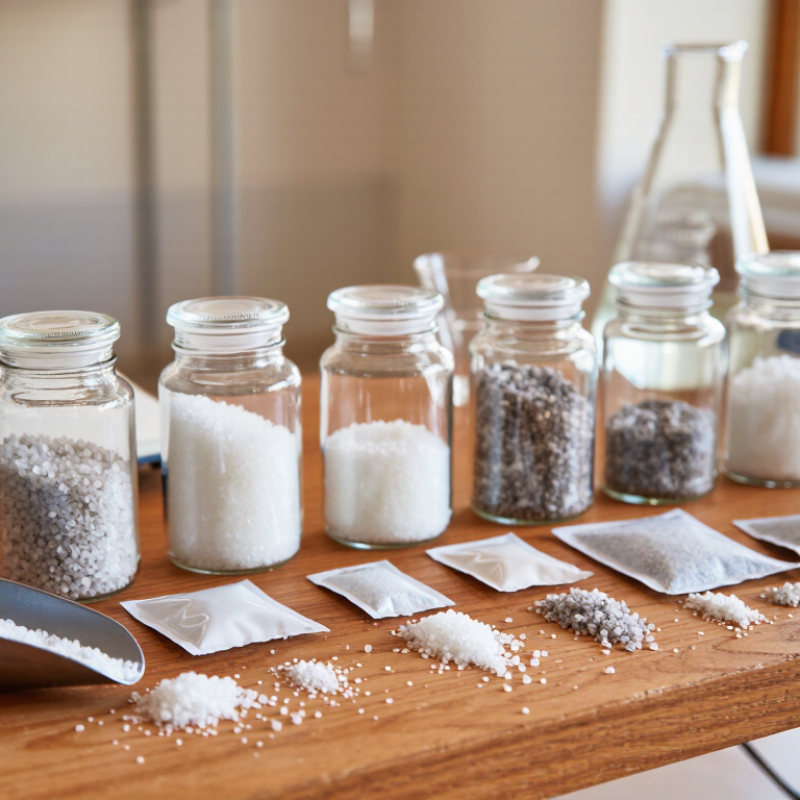
10 Dead Sea Bath Salt Buying Tips for Global Buyers

Understanding Dead Sea Bath Salt and Its Key Forms

Dead Sea bath salt is not simply table salt with a different origin. The Geological Survey of Israel’s published Dead Sea analyses report total dissolved salts at roughly 340 grams per litre, compared with about 35 grams per litre for seawater. The mineral profile is also distinctive, with substantial magnesium, potassium, and calcium salts. Figures vary by sampling location and date.

Look closely at the product’s physical form. Coarse crystals dissolve slowly and are easy to measure, while fine granules disperse faster but can scatter during pouring. Flakes are lighter and may dissolve unevenly in cooler water. Check whether the material is described as single-origin salt or blended with other minerals, fragrance, or oils. Labels matter.

Not the same thing. Dead Sea mud is a separate material, not another salt grade. For bulk purchasing, request a specification sheet showing mineral composition, moisture, particle size, and batch testing. A clear origin statement helps, but it does not replace laboratory data. I would also test a small sample in warm water: appearance and dissolving time can differ from a catalogue photo, and that detail is easy to overlook.


Checking Origin, Mineral Profile, and Product Quality

Dead Sea bath salt should come with a clear, traceable origin, not just a dramatic label. Check whether the supplier identifies the extraction area and provides batch documentation. The Dead Sea’s high salinity is distinctive, but salt composition can vary with collection and processing. Ask for a recent mineral analysis tied to the actual batch. A generic product sheet offers less reassurance. Details matter.

Tips: Request the country of origin, batch number, and test date. Compare the stated mineral profile with a laboratory report, and check whether testing covers relevant contaminants. Review the ingredient list for added fragrance, dyes, or other substances if you want a simpler product. Ask how the salt is dried and packed.

Quality shows in both records and the product itself. The crystals should be dry, reasonably consistent, and sealed against moisture. Clumping may reflect storage conditions, though it does not prove a product is unsafe. Look for clear directions and warnings, especially if you have sensitive skin; stop use if irritation develops. Avoid relying on claims that bath salt treats a medical condition. One point worth questioning: a long mineral list can sound impressive, but without measured amounts and testing context, it tells buyers very little.

10 Dead Sea Bath Salt Buying Tips for Global Buyers - Checking Origin, Mineral Profile, and Product Quality

# Buying tip What to check Practical verification Why it matters
1 Confirm the harvest origin The stated country and specific source area, plus whether the material is harvested from the Dead Sea or is a formulated mineral blend. Request a written origin declaration and traceability records linking the shipment or lot to its source. “Dead Sea” in a product name alone does not establish where or how the salt was sourced.
2 Review the mineral profile Ask for measured mineral composition, including magnesium, potassium, calcium, sodium, chloride, and other reported constituents. Compare a lot-specific certificate of analysis (COA) with the product specification; check units and test methods. Natural mineral composition can vary by source, processing, and batch, so avoid relying on generic figures.
3 Check the salt’s intended grade Confirm that the material is supplied for cosmetic or bath use, rather than assuming a food, pharmaceutical, or other grade is interchangeable. Request the product specification, intended-use statement, and relevant safety documentation. Grade and intended use affect the applicable specifications, handling, and regulatory requirements.
4 Request batch-specific quality results Look for a COA tied to the lot number, with test dates, methods, results, and acceptance criteria. Check that the lot number on the COA matches the sample or shipment under review; verify testing with the issuing laboratory if needed. A generic specification describes a target; it does not confirm the results for a particular batch.
5 Assess contaminant controls Ask which relevant contaminants are tested, such as selected heavy metals, and what limits or specifications are applied. Review recent analytical reports and compare results with the requirements in the destination market and the product’s intended use. Requirements vary by market and product category; one universal limit should not be assumed.
6 Inspect appearance and consistency Review crystal size, color, odor, visible foreign matter, and consistency against the agreed sample and specification. Approve a reference sample and define acceptable variation; inspect a representative sample from each incoming lot. Natural salts may vary in appearance, but unexplained differences can signal a change in source or processing.
7 Clarify additives and ingredients Determine whether the product is pure salt or contains fragrance, colorants, oils, anti-caking agents, or other ingredients. Request the full ingredient declaration and applicable safety information for every added ingredient. Additives can affect labeling, consumer suitability, storage, and compliance in the destination market.
8 Check grain size and dissolution behavior Match crystal size and any stated solubility or residue expectations to the product format and customer use. Test a sample using a documented water volume and temperature; agree on a particle-size range if consistency is important. Crystal size influences handling and dissolution time; mineral salts may not behave like pure sodium chloride.
9 Evaluate packaging and moisture protection Check that packaging is suitable for the shipment, protects against moisture, and keeps the product clean and identifiable. Review pack material, closure, net weight, lot coding, and storage instructions; inspect packaging after transit trials. Moisture exposure can cause clumping, while damaged or unmarked packs complicate quality control and traceability.
10 Confirm export documents and labeling needs Check the commercial documents and the labeling rules that apply to the destination and intended cosmetic or bath use. Agree in advance on invoice, packing list, origin documentation where applicable, safety documents, language, ingredient declaration, and lot identification. Import and labeling requirements differ between markets; confirm them with the relevant authorities or a qualified compliance adviser.

Assessing Supplier Reliability and Compliance Documents

For Dead Sea bath salt, supplier reliability starts with consistent, verifiable records. Request current business registration details, manufacturing-site information, and a clear contact for quality questions. Then compare the product specification with the actual batch documents. Mineral profile, moisture level, particle size, and lot number should match across the specification sheet and certificate of analysis. Small details matter.

Check who issued each document and when. A certificate of analysis is more useful when it identifies the tested batch, methods, and laboratory. Ask whether testing covers relevant contaminants and whether the sample represents the shipment offered. Review the safety data sheet for handling and storage guidance, and request traceability records linking raw material to finished goods. Keep records. A polished PDF can still leave gaps.

Compliance depends on the product claims and the destination market, so confirm applicable requirements with a qualified local adviser. Ask suppliers to provide supporting documents for origin, labeling, and any stated cosmetic or quality standards. Verify document dates and translations; unclear wording deserves follow-up. A sample may look excellent, yet production can vary. I would not treat one successful order as proof of lasting reliability. Set agreed specifications, retain batch records, and review changes before placing repeat orders.

Comparing Pricing, Packaging, and Order Requirements

A competitive quote for Dead Sea bath salt should show more than price per kilogram. Compare the same grade, grain size, moisture specification, and net weight. Ask whether the quote includes inner liners, cartons, palletizing, testing, and export documents. Compare Incoterms and quote validity too. UNCTAD’s Review of Maritime Transport 2024 reports that maritime trade grew 2.4% in 2023. Freight conditions can shift, so a low unit price may not mean a low landed cost. Check the freight allowance before approving a large order.

Packaging changes both cost and handling. Request samples of the exact pouch, jar, or bulk sack, then check seals, labels, and carton strength. Salt is heavy; a weak base can split during pallet handling. OECD’s Global Plastics Outlook reports that packaging generated about 40% of global plastic waste in 2019. Ask suppliers to identify packaging materials and available lower-plastic options, but verify durability before choosing. A lighter pack is not always better.

Order terms need equal attention. Confirm the minimum order quantity, production lead time, sample charges, and payment schedule in writing. Request a batch-specific certificate of analysis and safety data sheet, plus clear limits for particle size and moisture. Agree on inspection photos or a pre-shipment check. One detail is easy to miss: label approval can delay dispatch even when the salt is ready. A tidy spreadsheet can still overlook that.

Planning Shipping, Storage, and Long-Term Supply

Dead Sea bath salt can absorb moisture during a long sea journey, so shipping plans should start with packaging. Ask suppliers about sealed inner liners, sturdy outer bags, and pallet wrapping. A damp container or torn seam can leave crystals clumped on arrival. Request recent batch specifications and a sample before approving a large order. Mineral appearance may vary between lots; that is worth discussing early.

Tips: Confirm bag size, pallet dimensions, and estimated transit time in writing. Ask how the shipment will be protected from rain during loading. Keep a retained sample from each delivered lot for comparison.

For storage, choose a cool, dry area away from open doors and cleaning liquids. Keep bags raised on pallets, with space for air to circulate. Use a simple first-in, first-out system and record lot numbers and receipt dates. Check seals and crystal texture during routine stock counts. Forecast demand using actual sales, not only optimistic projections. A small buffer can help, but excess inventory may absorb moisture or sit longer than planned. Review supplier lead times regularly, since port delays and seasonal demand can change the reorder point. Shipping estimates are not guarantees, and even a careful plan may need adjustment.

REQUEST FOR PORPOSAL

Bring the essence of Current to your space! Whether you envision a cozy coffee kiosk, a stylish window café, a dynamic coffee bar, or a multi-station coffee drive-through, the possibilities are endless.  Please fill out the form below to submit your proposal request. Our team will review your information and get back to you shortly.