How to Choose the Right Mountain Bike in 2026?
Choosing the right Mountain Bike in 2026 requires more than comparing prices and suspension travel. Your terrain, body position, riding goals, and maintenance habits matter equally. A lightweight cross-country bike may feel quick on dry climbs. It can feel nervous on rocky descents. An enduro model offers control, but its extra weight becomes noticeable on long rides.
Mountain-bike pioneer Gary Fisher once said, “The best bike is the one that makes you want to ride.” That idea remains useful today. A suitable bike should fit your reach, confidence, and local trails. Wheel size, frame material, dropper-post travel, tire width, and suspension design all change the riding experience. New electronic systems can improve shifting and suspension control. They also increase cost and require more technical servicing.
The details matter.
This guide compares modern Mountain Bike categories without treating one design as universally superior. It considers trail surfaces, riding frequency, budget, comfort, and future upgrades. Independent reviews can help, but they may reflect different terrain or rider preferences. Test rides are still valuable. A bike that looks perfect online may feel cramped, harsh, or awkward within minutes.
There is room for doubt. Even experienced riders sometimes choose impressive specifications over practical fit. That mistake can lead to expensive upgrades later. The best decision balances performance with reliability, repair access, and genuine enjoyment. In 2026, smart buying means selecting a bike you can control, maintain, and confidently ride beyond the first weekend.
Mountain Bike Categories and Their Best Uses in 2026
How to Choose the Right Mountain Bike in 2026?
Mountain Bike Categories and Their Best Uses in 2026
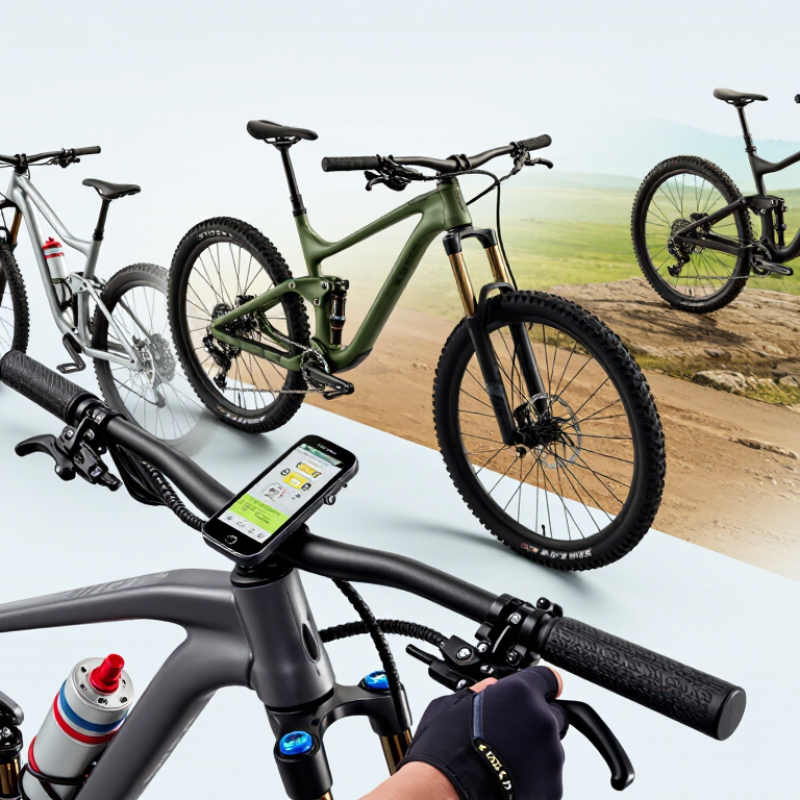
Choosing a mountain bike starts with the terrain you ride most often. Cross-country bikes suit long climbs, smooth forest paths, and timed events. They feel light and efficient, but their shorter suspension can feel harsh on rocky descents. Trail bikes offer a more balanced choice for mixed routes. Their moderate suspension, wider tires, and stable geometry handle roots, loose soil, and everyday mountain rides.
Enduro bikes are built for aggressive descents and demanding climbs between them. They usually have longer suspension and stronger frames, adding confidence on steep, uneven trails. Downhill bikes are more specialized. They work best on lift-served parks, where speed, jumps, and large impacts matter more than climbing. They can feel awkward on ordinary trails. That detail is easy to ignore.
Electric mountain bikes now cover several categories in 2026. An electric cross-country model helps riders extend distance, while an electric trail bike supports repeated climbs and technical routes. Extra weight changes braking, cornering, and transport needs. Check battery access and local riding rules before buying. Components also deserve attention. Adjustable suspension, powerful hydraulic brakes, and tubeless-ready tires improve control, but maintenance still matters.
I once preferred a lighter bike without considering descending ability. That choice looked sensible on paper, yet it felt nervous on loose rock. A short test ride may not reveal everything. Try climbing, braking, and turning on terrain similar to your regular route. Fit remains personal, and professional setup advice can prevent expensive mistakes.
Frame Fit, Rider Position, and Essential Sizing Factors
How to Choose the Right Mountain Bike in 2026?
Frame Fit, Rider Position, and Essential Sizing Factors
A mountain bike should fit your body before it impresses your eyes. The Outdoor Foundation’s 2024 Outdoor Participation Trends Report recorded about 11.4 million mountain and non-paved surface cyclists in 2023. That participation makes fit more than a comfort issue. It affects control, braking confidence, and fatigue on long climbs.
Start with your height, inseam, and riding purpose. Frame size charts are useful, but they cannot measure your reach preference or flexibility. Stand over the bike with both feet flat. Leave practical clearance between the top tube and your body. Measure twice. Do not guess. A frame that feels too long can force locked elbows and painful shoulders. A frame that feels too short may make steep descents nervous.
Your riding position should keep relaxed elbows and a slightly bent knee at the pedal’s lowest point. Adjust saddle height before changing the handlebar. On a test ride, notice whether your hips stay centered during turns. ISO 4210 bicycle safety standards address structural requirements, but they do not choose your personal fit. That remains a rider-and-technician decision. A 2023 industry survey from PeopleForBikes found that comfort and performance strongly influence bicycle satisfaction, yet personal testing is still imperfect. I sometimes prefer a smaller frame on tight trails, despite standard charts. Trail style changes the answer.
How to Choose the Right Mountain Bike in 2026?
Frame Fit, Rider Position, and Essential Sizing Factors
This chart provides a practical starting point for choosing a mountain bike frame size. Rider height and inseam length are shown as typical midpoints for each size category. Use the inseam measurement to check standover clearance, then fine-tune the fit through saddle height, reach, and handlebar position. Frame geometry varies, so test riding is recommended whenever possible.
Wheel Sizes, Suspension Systems, and Trail Performance
How to Choose the Right Mountain Bike in 2026?
Wheel Size and Trail Performance Wheel size changes how a bike feels on real trails. A 29-inch wheel rolls smoothly over roots and loose rocks. It also carries speed through rough sections. A 27.5-inch wheel feels quicker in tight corners and slower technical lines. Mixed-wheel setups can balance both traits, but they may complicate handling.
PeopleForBikes reported that 112 million Americans rode bicycles in 2023. More riders now need equipment matched to terrain, not internet trends.
Suspension Setup Suspension matters more than impressive travel numbers. For most trail riding, 130–150 mm of rear travel offers control without excessive weight. Set sag near 25–30 percent, then test braking and climbing separately. Too much sag can make the bike wallow. Too little sag can make roots feel sharp.
The Outdoor Foundation’s 2024 participation report recorded roughly 8.6 million U.S. mountain-bike participants in 2023. That wider audience includes beginners who often overlook suspension setup.
Fine-Tuning Your Ride I once chose a stiff fork because it felt fast in a parking lot. It punished my hands on a rocky descent. Trail performance depends on tire pressure, rebound speed, body position, and wheel size together. Start with the recommended settings. Change one adjustment at a time. Shorter riders may prefer 27.5-inch wheels for easier movement. Taller riders often benefit from 29-inch rollover. Still, personal confidence matters more than a measurement chart. Industry testing frequently compares bikes on controlled sections, but your local trail may disagree. That is worth remembering.
Drivetrains, Brakes, and Components That Affect Control
How to Choose the Right Mountain Bike in 2026?
Drivetrains, Brakes, and Components That Affect Control
A mountain bike should match your terrain, not just your budget. On steep, rocky trails, a wide-range drivetrain helps maintain steady cadence. A lower climbing gear reduces fatigue before technical sections. A one-chainring setup feels simple and quiet, but its gear steps can feel noticeable. A two-chainring system offers smoother transitions, though it adds weight and adjustment points. A clutch-equipped rear derailleur can reduce chain slap on rough ground.
Brakes influence confidence more than many riders expect. Hydraulic disc brakes usually provide stronger modulation and consistent control. Larger rotors can manage heat better during long descents. However, oversized rotors may feel abrupt for lighter riders. Lever reach should suit your hands, especially when wearing gloves. Test the braking position while standing, not only while sitting. I once chose maximum braking power and regretted it on tight, slippery turns.
Components around the contact points also change handling. Wider handlebars can improve stability, but excessive width may strain your shoulders. A dropper seatpost lets you lower the saddle before a descent. That small movement creates more room behind the seat. Tire width, tread, and pressure affect grip more than many specifications suggest. Start with moderate pressure and adjust after checking rim impacts and cornering feel. Suspension settings deserve patience. Record clicks, sag, and trail conditions, then change one setting at a time. Mistakes are useful when you know what caused them.
Budget, Maintenance Needs, and Final Bike Selection Criteria
How to Choose the Right Mountain Bike in 2026?
Budget should include more than the frame price. Reserve money for a helmet, pedals, tools, tires, and routine servicing. A practical rule is saving 15–25% of the bike’s price for first-year extras. Industry data supports careful spending: the Outdoor Industry Association reported 175.8 million U.S. outdoor participants in 2023. More riders can mean more demand for reliable, serviceable equipment.
Think about maintenance before suspension travel. Full-suspension bikes offer control on rocks and roots, but they add bearings, pivots, cables, and shock service. A rigid or hardtail model usually costs less to maintain. Ask a local mechanic about annual labor prices and replacement-part availability. This is often more useful than comparing glossy specifications. Small details matter.
Test the fit on a real trail.
Choose a frame that keeps your back relaxed and your wrists neutral. Check braking control, tire clearance, gear range, and suspension adjustment. The 2024 Bicycle Product Suppliers Association industry outlook emphasized continued pressure on bicycle inventories and pricing, so discounted equipment may not always be the best value. I once favored lighter weight over easier servicing; that choice created unnecessary costs. Reconsider the riding terrain, repair access, and yearly budget before selecting the final bike.