

How to Choose the Best Red Light Therapy Pod?

Choosing the best Red Light Therapy Pod requires more than comparing glowing panels or dramatic before-and-after photographs. Grand View Research estimated the global red light therapy market at approximately US$1.1 billion in 2023. Its report also projects continued growth through 2030. These figures show rising interest, not guaranteed treatment results. Market momentum cannot replace clinical evidence.

A reliable comparison begins with measurable specifications. Check the wavelengths, usually expressed in nanometers, and request verified irradiance data. Ask how the manufacturer measured power density, at what distance, and under which test conditions. Treatment time matters too. A high output is not automatically better. An adjustable timer, ventilation, eye protection guidance, and clear contraindication warnings improve practical safety. Look for quality systems, traceable testing, and transparent warranty terms. ISO 13485 or IEC 60601-related documentation may support confidence, but certification claims require verification.

Fit matters in real life. Can the pod accommodate your height without pressing against the LEDs? Is the interior easy to clean after perspiration? Will the door, fan, and controls remain usable during a twenty-minute session? These details are easy to overlook. They should not be. Fortune Business Insights also reports strong market expansion, yet its forecasts vary from other analysts. That uncertainty deserves honesty. I would rather choose a modest pod with published testing than an impressive-looking model with vague specifications. Speak with a qualified healthcare professional if you have photosensitivity, take light-sensitive medication, or manage a medical condition. No device should be treated as a substitute for diagnosis or professional care.
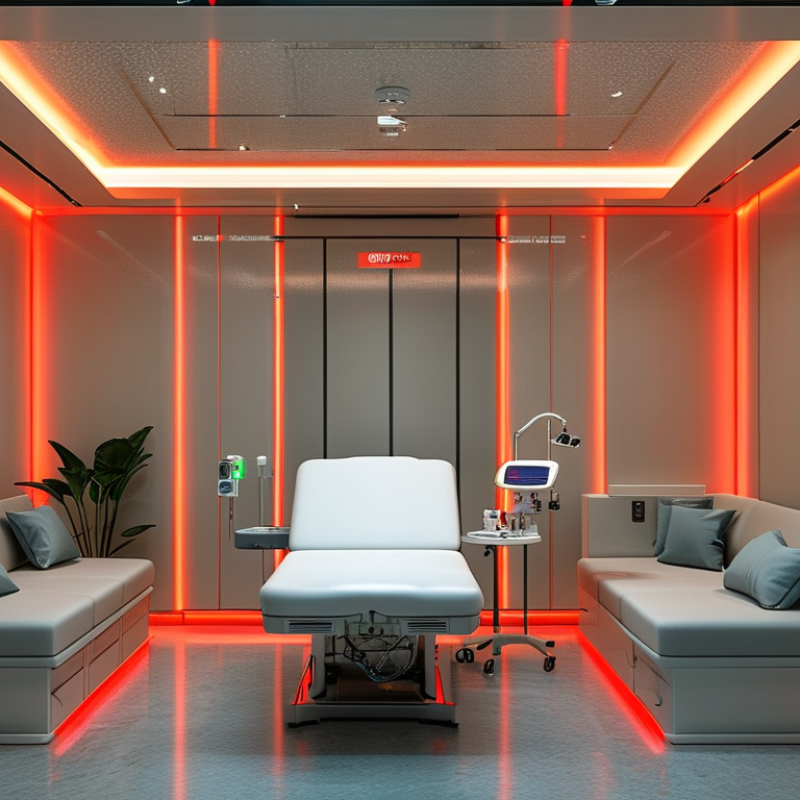
How to Choose the Best Red Light Therapy Pod?

What Is a Red Light Therapy Pod and How Does It Work?

A red light therapy pod is an enclosed chamber lined with light-emitting diodes. It exposes much of the body at once. Unlike tanning equipment, it does not use ultraviolet radiation. Most systems provide red light near 630–660 nanometers and near-infrared light near 810–850 nanometers. These wavelengths can reach different tissue depths.

The proposed process is called photobiomodulation. Light energy may interact with cellular structures, especially mitochondria, which help produce energy. This interaction may support normal cellular activity, circulation, and tissue recovery. The effects are usually gradual. They are not the same as medical treatment, and research quality varies between conditions.

In practice, a session may last several minutes. Distance, intensity, wavelength, and skin coverage all matter. More light is not automatically better. Follow the device instructions and protect your eyes when required. People using photosensitizing medication, or managing an eye condition, should ask a qualified clinician first. I once assumed a longer session would produce faster results. That assumption was too simple. Consistent use and realistic expectations matter more than dramatic claims. A pod can feel warm, but warmth does not prove effectiveness. Check its published specifications, safety testing, treatment controls, and maintenance guidance before choosing one. Evidence is promising, but it is not perfect.


How to Choose the Best Red Light Therapy Pod?

What Is a Red Light Therapy Pod and How Does It Work?

A red light therapy pod is an enclosed device that exposes the body to selected wavelengths of red and near-infrared light. Red light is commonly used in the visible range, while near-infrared light uses longer wavelengths that are not visible to the human eye.

The chart shows the photon energy associated with commonly used red and near-infrared wavelengths. Photon energy is calculated using the physical relationship E = 1240 ÷ wavelength in nanometres, so shorter wavelengths have higher photon energy. When comparing pods, also check wavelength accuracy, irradiance, treatment area, session duration, eye protection, and published safety information. Photon energy alone does not determine treatment effectiveness.

Data basis: photon-energy values calculated from the standard relation E(eV) = 1240/λ(nm). Wavelength categories are based on the visible red and near-infrared regions of the electromagnetic spectrum.

Which Health Goals Should Guide Your Pod Selection?

When choosing a red light therapy pod, start with your health goal, not the pod’s appearance. Skin-focused users may value even facial and body coverage, controlled warmth, and consistent sessions. People seeking post-exercise recovery may prioritize full-body exposure, comfortable positioning, and clear irradiance information. These goals overlap, but they are not identical. A pod promising everything may explain very little.

For skin concerns, look for published wavelengths, treatment distance, timer controls, and eye-protection guidance. For muscle soreness, check whether the device covers the legs, back, or shoulders. If relaxation or sleep is your goal, a quiet pod and evening-friendly schedule may matter more than maximum intensity. Red light therapy cannot replace medical diagnosis or treatment. Evidence also varies by condition, dosage, and device design.

Use the pod consistently, then track one outcome at a time. Note soreness, sleep quality, or skin changes in a simple weekly log. Results can be subtle. That matters. Stop if irritation, headaches, or unusual discomfort develops, and seek professional advice when needed. I would also question dramatic before-and-after claims. Lighting, hydration, and expectations can distort impressions. Choose a pod that matches a measurable goal and fits a routine you can safely maintain.

How to Compare Light Wavelengths, Coverage, and Treatment Settings?

How to Choose the Best Red Light Therapy Pod?

Choosing a red light therapy pod requires more than counting LEDs. Check the wavelengths first. Red light commonly falls near 620–700 nanometers, while near-infrared light often reaches beyond 700 nanometers. These ranges interact differently with the body, so a wider range is not automatically better. Ask for measured output, not only advertised wavelength labels.

Coverage matters during real use. A full-body pod should illuminate your front, back, and sides without large dark areas. Look for uniformity testing or clear irradiance maps. In practice, I would inspect whether the light reaches the shoulders, hips, and lower legs evenly. A bright face panel cannot compensate for weak side coverage. Small details matter.

Treatment settings also deserve careful comparison. Useful controls may include session time, intensity, and separate red or near-infrared modes. Irradiance shows power density, while fluence describes total energy over time. Both figures help you compare products more fairly. Start with the manufacturer’s conservative schedule, then observe skin comfort and consistency. More intensity is not always more effective. Keep sessions manageable.

Safety information should be specific. Read eye-protection guidance and warnings about photosensitive conditions or medications. Reliable manufacturers should provide testing details and realistic limitations. No pod is perfect. I would remain cautious when claims sound dramatic, especially without independent measurements or published evidence. Your response may also vary from another person’s experience.

What Safety Features and Medical Considerations Matter Most?

Choosing the best red light therapy pod starts with safety, not appearance or marketing claims. A reliable unit should provide clear wavelength information, measured irradiance, automatic timers, temperature sensors, and an emergency shutoff. Look for protective eyewear and stable ventilation. A pod should feel warm, never painfully hot. Stop immediately if you notice burning, dizziness, unusual redness, or eye discomfort.

Medical considerations matter because red light therapy does not suit everyone. People using photosensitizing medicines, or managing lupus, eye conditions, or active skin problems, should consult a qualified healthcare professional first. Pregnancy and serious medical conditions also deserve individualized advice. Ask whether the device has appropriate regulatory clearance in your region. Clearance does not prove every advertised benefit. It only supports specific uses.

Tips: Start with short sessions and follow the device instructions. Keep a simple record of exposure time, skin reactions, and discomfort. Do not assume longer sessions produce better results. Some pods list power levels unclearly, which makes comparison difficult. Ask for independent testing data when possible. In practice, convenience can encourage consistency, but comfort is not proof of effectiveness. I would also avoid devices that promise to treat many unrelated diseases. That claim should make you pause.

How to Evaluate Pod Quality, Usability, and Overall Value?

Choosing the best red light therapy pod starts with verifiable details, not attractive photographs. A credible model should list its wavelengths, irradiance, treatment distance, session timer, and illuminated area. If specifications seem vague, pause. Request laboratory testing or calibration information from the seller. Numbers need context. Check thermal controls, ventilation, eye protection guidance, emergency shutoff, and cleaning instructions. Independent testing is more convincing than impressive advertising.

Usability affects whether the pod becomes part of your routine. Sit or lie inside before purchasing, if possible. Notice the interior space, zipper movement, cable placement, controller visibility, and noise from cooling fans. A cramped pod may shorten every session. A complicated timer creates unnecessary mistakes. Look for clear instructions and adjustable intensity. Skin warmth can be normal, but painful heat, dizziness, or irritation should not be ignored. Consult a qualified healthcare professional if you have a medical condition or use light-sensitive medication. Comfort is measurable.

Overall value includes the warranty, repair process, replacement parts, energy use, and expected lifespan. Calculate the cost per session over a realistic period, rather than comparing prices alone. A cheaper pod may contain fragile components, while a higher price does not prove better performance. Read independent reviews carefully, especially repeated complaints about overheating or controller failure. I have learned that my first impression can be biased by bright lighting and polished design. Rechecking the specifications after a few days often reveals what I missed.

Article Source:

REQUEST FOR PORPOSAL

Bring the essence of Current to your space! Whether you envision a cozy coffee kiosk, a stylish window café, a dynamic coffee bar, or a multi-station coffee drive-through, the possibilities are endless.  Please fill out the form below to submit your proposal request. Our team will review your information and get back to you shortly.