What is a Blower Fan Cooler and How Does It Work?
A Blower Fan Cooler is an essential device used to enhance cooling efficiency in various settings. This technology plays a critical role in maintaining optimal temperatures for computers, machinery, and even in-home environments. Users are often surprised by its unique methods of heat distribution and cooling capabilities.
The core function of a Blower Fan Cooler revolves around its ability to move air. It utilizes centrifugal force to channel airflow efficiently. While many fans simply push air outward, a blower fan creates a concentrated jet of air. This specific airflow can cool components or spaces that traditional fans struggle to reach. However, the effectiveness of a Blower Fan Cooler can vary based on installation and surrounding conditions.
Airflow patterns can be counterintuitive. Users may find that simply adjusting the positioning of a Blower Fan Cooler leads to significant changes in cooling performance. Understanding airflow dynamics is crucial. Small alterations in angle or position can drastically influence efficiency. There is always room for improvement in optimizing placement and airflow direction. Each setup is unique, and trial and error may be necessary for the best results.
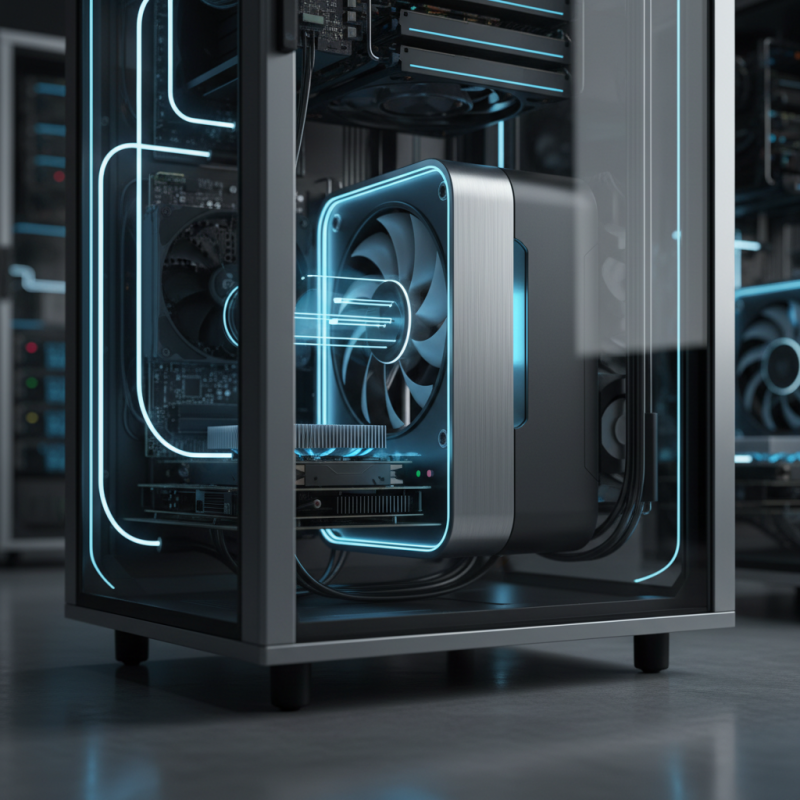
What is a Blower Fan Cooler? Definition and Components
A blower fan cooler is a specialized device used to circulate air over heat-sensitive components. Its design typically includes a motor, impeller, and housing. The motor drives the impeller, allowing it to spin rapidly. This spinning motion creates a pressure difference, pulling in ambient air and pushing it out at a higher velocity. The effectiveness of a blower fan cooler greatly depends on the efficiency of these components.
The primary function of a blower fan cooler is to maintain optimal temperatures in electronics and machinery. It achieves this by directing airflow specifically where it's needed most. Improved airflow can prevent overheating and extend the lifespan of equipment. However, the design must account for factors like noise level and energy consumption. Balancing these factors can be challenging and may require refinement to achieve optimal performance.
While blower fan coolers are highly effective, they are not without limitations. For instance, they can be less efficient in large spaces with poor airflow dynamics. Understanding these nuances is essential for proper application. Effectively integrating a blower fan cooler into a system can improve its reliability and performance, but it requires careful consideration and sometimes trial and error.
What is a Blower Fan Cooler and How Does It Work?
| Component | Description | Function | Applications |
| Fan Blade | Rotating blades that create airflow. | To move air over a heat source to cool it. | Cooling electronics, HVAC systems. |
| Motor | Electric component that powers the fan blades. | Provides the necessary rotation for airflow. | Used in various cooling systems and appliances. |
| Housing | Casing that surrounds the fan and motor. | Directs airflow and protects internal components. | Air conditioning units, industrial cooling systems. |
| Ducts | Channels that distribute air from the blower. | Guides airflow to specific areas that need cooling. | Ventilation in buildings, automotive cooling. |
Principles of Operation: How Blower Fan Coolers Function
Blower fan coolers are designed to enhance airflow and improve temperature regulation. They operate by drawing in ambient air, utilizing blades within the fan to push this air through a system or specific area. The efficient air movement helps to cool surfaces or environments quickly. This principle is particularly useful in various applications such as electronic cooling and ventilation systems.
The components of a blower fan cooler play a crucial role in its function. Motorized blades rotate at high speeds, creating a difference in air pressure. This pressure difference is what moves air from one point to another. A well-designed blower system will facilitate optimal airflow, but achieving the ideal balance can be challenging. Factors such as blade size, angle, and motor power all impact performance.
In practice, users may find that some blower fan coolers do not perform as expected in specific conditions. Variability in environmental factors can affect efficacy. Users might need to adjust settings to find the right configuration for their unique situation. Understanding these nuances is essential for maximizing the effectiveness of blower fan coolers.
Applications of Blower Fan Coolers in Various Industries
Blower fan coolers are versatile tools used in many industries. They efficiently circulate air to cool equipment, products, or environments. In manufacturing, these coolers prevent overheating of machines. They help maintain optimal temperatures, ensuring smooth operations without unexpected downtime.
In the food processing sector, blower fan coolers are essential. They assist in rapid cooling of products after cooking or processing. This process helps preserve quality and prolong shelf life. Additionally, in data centers, these coolers manage temperature control for servers. Proper airflow prevents equipment malfunctions and data loss.
While blower fan coolers are effective, they also have limitations. Noise levels can be an issue in quiet environments. Maintenance is often overlooked, leading to reduced efficiency. Regular cleaning and checks are required to ensure proper functionality. Balancing these factors is crucial for maximizing their benefits in various applications.
Energy Efficiency Ratings and Performance Metrics of Blower Fans
Blower fans are recognized for their energy efficiency. When assessing their performance, metrics like airflow volume, static pressure, and energy consumption are crucial. A report from the American Society of Heating, Refrigerating, and Air-Conditioning Engineers highlights that high-efficiency blower fans can reduce energy usage by up to 25% compared to standard models. This reduction is significant, especially in industrial applications where continuous operation is common.
Choosing the right blower fan involves understanding its ratings. Look for fans that offer a high CFM (cubic feet per minute) rating alongside low wattage. This combination indicates that the fan moves a lot of air while using minimal energy. However, many users overlook the importance of proper installation. A poorly installed fan can reduce efficiency by 15% or more. Regular maintenance is essential; even small dust build-up can impact performance.
Tips: Regularly check airflow and clean filters to maintain optimal function. Also, consider sound levels; a quieter fan can significantly improve a workspace atmosphere. While navigating energy efficiency may seem straightforward, it requires ongoing attention to detail and understanding specific operational needs.
Comparative Analysis: Blower Fan Coolers vs. Traditional Cooling Methods
Blower fan coolers are gaining traction in various cooling applications. They stand out because they move air efficiently using a centrifugal mechanism. This method creates a strong airflow, making them ideal for large spaces. In contrast, traditional cooling methods often rely on passive cooling or simple fans that distribute air without significant force.
When comparing blower fan coolers to conventional methods, the differences become clear. Traditional methods may struggle to maintain consistent temperature levels in larger areas. They often lead to hot spots or areas that remain warm despite the airflow. Blower fan coolers, however, provide a more uniform cooling effect by directing air where it’s needed most. This targeted airflow can make a real difference in comfort levels.
Despite their advantages, blower fan coolers are not without issues. They can be noisier than traditional systems, which might distract in quiet environments. Additionally, their design may require more space for installation. Users should carefully consider their cooling needs and environment before choosing a system. The right solution often involves weighing the pros and cons of various cooling methods.