Best Switching Power Supply Options for Your Needs?
The demand for reliable and efficient Switching Power Supply (SPS) systems has surged in recent years. According to industry reports, the global SPS market is projected to reach $50 billion by 2025. This growth is fueled by advancements in technology and an increasing need for energy-efficient solutions. More industries, from telecommunications to consumer electronics, are adopting SPS due to their compact size and lightweight design.
Selecting the right Switching Power Supply can be challenging. Many options exist, but not all will meet your specific needs. A poorly chosen SPS can lead to inefficiencies. Common issues include overheating, voltage fluctuations, and insufficient power output. It's crucial to assess your requirements before making a decision. Understanding the importance of compatibility with existing systems can help prevent costly mistakes later on.
The landscape of Switching Power Supplies is continually evolving, driven by innovation and stricter energy regulations. In the next few years, expect to see even more options that prioritize efficiency without sacrificing performance. However, it's essential to remain mindful of potential drawbacks. A perfect choice might not exist for everyone, so take the time to explore various solutions.
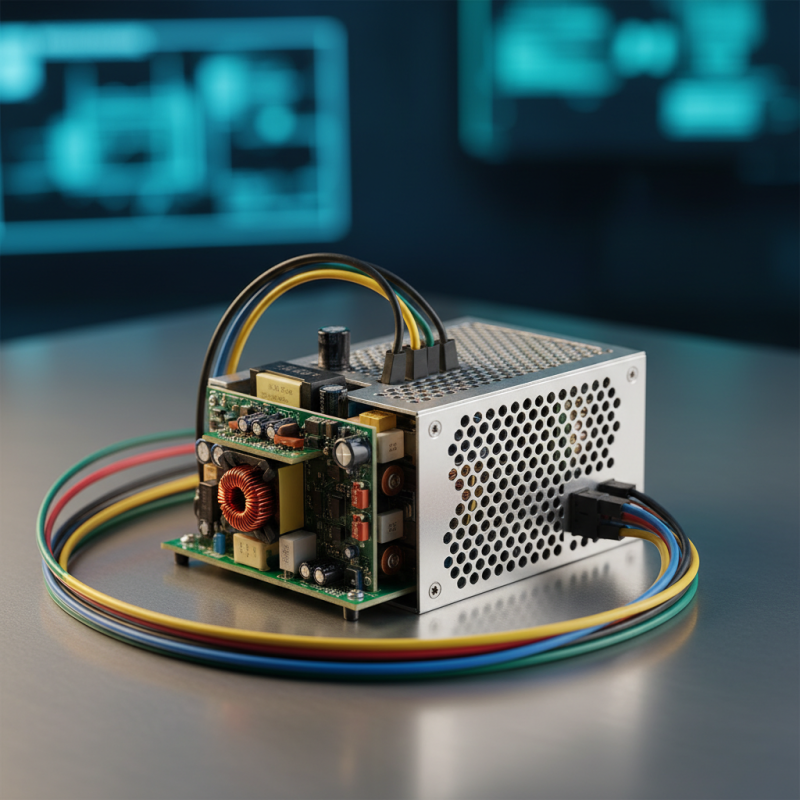
Understanding Switching Power Supplies: A Comprehensive Overview
Switching power supplies (SPS) are crucial in modern electronics. They convert electrical current more efficiently than traditional power supplies. These devices handle a wide range of input voltages. This makes them versatile for various applications. Typically, they are smaller and lighter, ideal for compact devices. However, their complexity can lead to issues.
One common concern is electromagnetic interference (EMI). Switching operations can create noise that disrupts nearby circuits. Users may experience performance issues in sensitive equipment. Proper shielding and filtering can mitigate these effects. Not all designs manage this equally well. It’s essential to carefully select components to minimize disturbances.
Heat generation is another area requiring attention. Although SPS are more efficient, they can still generate significant heat. This can affect system reliability and longevity. Adequate cooling solutions must be implemented. Sometimes this aspect is overlooked during design. Ensuring proper thermal management is vital for lasting performance. Understanding these challenges can help users choose the right power supply for their needs.
Best Switching Power Supply Options for Your Needs
| Power Supply Type | Total Power Output | Efficiency Rating | Form Factor | Cooling Method | Price Range |
| ATX Power Supply | 500W | 80% Bronze | Standard | Active | $50 - $80 |
| Mini ITX Power Supply | 300W | 80% Gold | Compact | Passive | $40 - $70 |
| Server Power Supply | 750W | 80% Platinum | ATX | Active | $100 - $150 |
| Industrial Power Supply | 1000W | 80% Standard | Open Frame | Active | $150 - $200 |
Key Features to Consider When Choosing a Switching Power Supply
When choosing a switching power supply, several key features come into play. Efficiency is crucial. An efficient power supply uses less energy and generates less heat. Look for models with high efficiency ratings, often above 80%. This means lower costs on your electricity bill. It also ensures your equipment runs cooler and lasts longer.
Another important factor is the output voltage range. Different devices require different voltage levels. Make sure the power supply can adapt to your specific requirements. Check for adjustable outputs if needed. Size and form factor matter too. A compact design saves space and simplifies installation. Consider what fits best in your setup.
Don't overlook safety features. Overvoltage protection can prevent damaging your equipment. Short-circuit protection is essential to avoid accidents. Sometimes, these features can feel excessive. However, skimping on safety can lead to costly consequences. Take time to reflect on your specific needs. The right power supply integrates seamlessly into your project while providing reliability.
Different Types of Switching Power Supplies and Their Applications
Switching power supplies are essential in many electronic devices. Different types cater to various applications. The most common are the buck, boost, and buck-boost converters. Each has its unique capabilities.
Buck converters efficiently step down voltage while maintaining high current output. They are popular in battery-operated devices. Boost converters, on the other hand, increase voltage from a lower input. These are perfect for LED drivers. Buck-boost converters offer versatility, allowing users to step up or down voltage as needed.
When choosing a power supply, consider your specific requirements. Efficiency ratings and heat generation are important factors. Some users overlook these aspects, leading to potential issues. Not all designs suit every application, prompting reflection and assessment. Understanding these types can guide you toward the best choice for your needs.
Evaluating the Efficiency and Performance of Switching Power Supplies
Switching power supplies are critical in modern electronics. Their efficiency and performance can significantly impact device functionality. Studies show that an efficient power supply can achieve up to 90% efficiency under optimal conditions. However, efficiency often drops under varying loads. This inconsistency can affect system performance, leading to potential overheating or reduced lifespan.
When selecting a switching power supply, consider load regulation. Significant fluctuations can occur if the power supply is not properly matched to the application's demands. Look for a supply with less than 5% load regulation for stable output.
**Tips:** Monitor thermal performance. Excess heat can indicate inefficiencies. Consider using heat sinks or fans to mitigate overheating risks.
Understand the importance of ripple voltage. It can introduce noise into your system, affecting performance. A ripple voltage less than 100mV is typically acceptable for sensitive applications.
**Tips:** Always review efficiency ratings across different loads. Claims of high efficiency at one load may deceive. Aim for a power supply that maintains consistent performance across various conditions.
Top Brands and Models of Switching Power Supplies in the Market
When choosing a switching power supply, brand reputation matters. Not all providers meet the same standards. Market research indicates that the global switching power supply market is projected to reach $36 billion by 2025. This reflects a growing demand for reliable and efficient power solutions.
Key models in the industry utilize advanced technology. These supplies often feature higher efficiency rates, sometimes exceeding 90%. However, not every option delivers on this promise. Some lower-cost units may fail under load. Pay attention to specifications like output voltage, current ratings, and efficiency.
**Tip:** Always check for certifications before purchasing. Certified products are likely to be safer and perform better.
Venturing into the world of switching power supplies can be overwhelming. Many manufacturers offer a wide range of options. Be wary of overly cheap models. They might save money initially but cost more in longevity and reliability.
**Tip:** Read user reviews for real-world performance insights. Peer feedback can be invaluable.
Choosing the right unit requires research. Consider your specific needs, including form factor and power output. The ideal power supply fits well within your system while being robust enough for your applications.