Best Hotel Thermostat for Ultimate Comfort and Energy Savings?
In the hospitality industry, guest comfort is paramount. A well-designed hotel thermostat is crucial for creating a pleasant environment. The right settings can enhance a guest's experience by maintaining an ideal room temperature. However, many hotels still rely on outdated systems. This oversight affects both comfort and energy savings.
Modern hotel thermostats offer advanced features that balance efficiency with comfort. Some allow guests to customize their preferences easily. Others use smart technology to adjust based on occupancy. Yet, not all hotels invest in these innovations. This raises concerns about guest satisfaction and resource management.
Selecting the best hotel thermostat is essential for sustainability. Energy-efficient models can significantly cut costs. They reduce unnecessary energy consumption, benefiting the environment. However, not every hotel is aware of these options. The industry must recognize the potential of advanced thermostats. This could lead to improved guest experiences and lower energy bills.
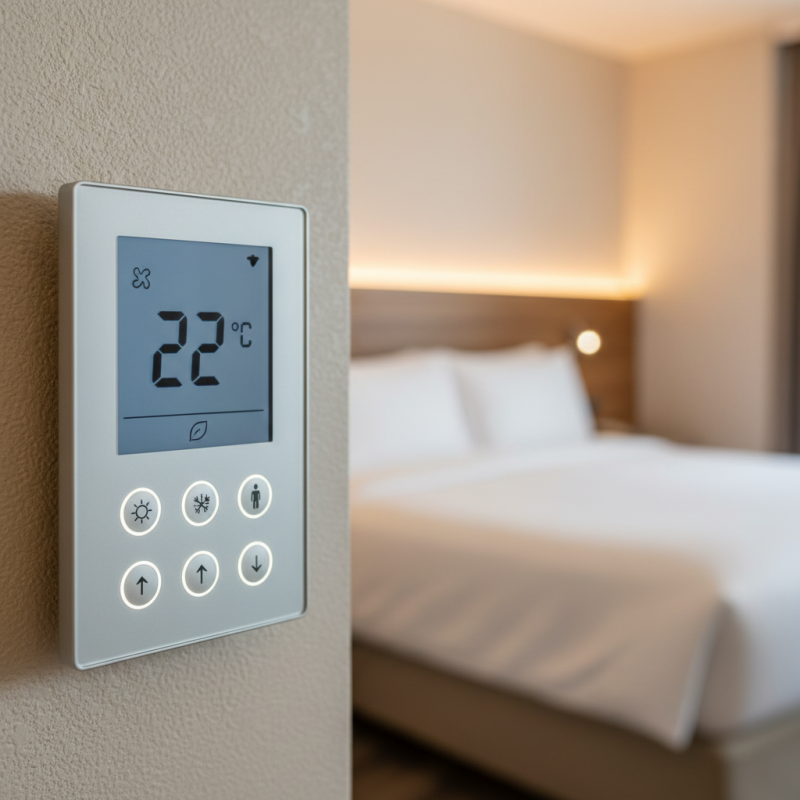
Understanding Hotel Thermostats: Features and Functionality
Hotel thermostats have evolved significantly in recent years, focusing on both comfort and energy savings. A good thermostat integrates seamlessly into the hotel environment. It allows guests to set a temperature that suits their preferences. Consider advanced features such as adaptive learning. These thermostats can adjust to the patterns of the occupants, optimizing energy use while maintaining comfort.
Many modern hotel thermostats come equipped with smart technology. This can include remote access via a smartphone app. Guests can control room temperatures before they arrive. However, not all systems function flawlessly. Some users report connectivity issues or confusion with settings. Understanding the functionality is crucial to ensure guests maximize their comfort.
While energy efficiency is a priority, user experience also matters. A thermostat that appears complicated can deter guests from using it effectively. Clear labeling and an intuitive interface can improve usability. Reflecting on the design process helps to identify areas for improvement. Balancing technology with simplicity is key in creating a comfortable hotel environment.
Types of Thermostats: Smart vs. Traditional Options
When choosing a thermostat for hotels, there are two primary options: smart and traditional. Traditional thermostats offer basic temperature control. They are simple, cost-effective, and easy to operate. Hotel staff can quickly adjust settings. However, they lack advanced features. Guests may feel uncomfortable if their needs change frequently. Traditional systems often lead to energy wastage.
Smart thermostats present a different picture. They learn from user behavior over time. This adaptability can result in significant energy savings. They can be controlled through smartphone apps, allowing flexibility. Guests can adjust settings without needing to call the front desk. However, some might find these devices complex. Not all guests are tech-savvy. A steeper initial investment can also be a concern for hotel owners. Balancing comfort with technology is essential in creating a positive guest experience.
Understanding the strengths and weaknesses of each type is crucial. Installing smart thermostats can attract eco-conscious guests. Yet, investing in training staff to assist all guests is equally important. Ultimately, choosing the right thermostat should prioritize guest comfort while keeping energy efficiency in mind.
Comparison of Smart and Traditional Hotel Thermostats
Energy Efficiency Ratings: What to Look for in a Thermostat
When looking for the best hotel thermostat, energy efficiency ratings play a crucial role. Thermostats vary widely in their performance and energy-savings capabilities. Understanding these ratings can help you select a unit that not only keeps guests comfortable but also cuts down energy costs.
Key features to consider include programmable settings and smart technology. Programmable thermostats allow guests to set temperatures according to their schedules. This can lead to significant energy savings. Additionally, look for units that integrate with building management systems. This helps monitor and adjust settings automatically, optimizing energy use throughout the day.
The ENERGY STAR certification is another important factor. Products with this label have been tested for efficiency and overall performance. However, relying solely on ratings can be misleading. Some products may excel in energy conservation but lack user-friendly features. It's essential to balance efficiency with practicality in the guest experience.
Impact of Thermostat Control on Comfort Levels in Hotels
The impact of thermostat control on comfort levels in hotels is often overlooked. Thermostats regulate temperature, creating a vital element for guest satisfaction. When guests control their environment, they feel more at home. A well-calibrated thermostat can maintain an ideal climate, ensuring a pleasant stay.
Guests often report feelings of discomfort due to temperature fluctuations. Inconsistent heating or cooling can lead to restless nights. Some travelers struggle to find the right setting, which can disrupt their relaxation. Moreover, many guests are unaware of how their thermostat settings affect energy consumption. Encouraging awareness of this can promote both comfort and sustainability.
Hotels should consider the user-friendliness of their thermostat systems. Complicated interfaces can frustrate guests. Easy-to-understand controls can enhance the experience. There's room for improvement, as not all systems provide the sleek design or technology that modern guests expect. Evaluating feedback and implementing changes can elevate comfort and energy efficiency simultaneously.
Best Hotel Thermostat for Ultimate Comfort and Energy Savings
| Thermostat Model | Comfort Level (1-10) | Energy Savings (%) | Smart Features | User Rating (1-5) |
| Model A | 9 | 20% | Wi-Fi, App Control | 4.5 |
| Model B | 8 | 15% | Learning, Geofencing | 4.0 |
| Model C | 7 | 10% | Voice Control, Remote Access | 4.3 |
| Model D | 6 | 5% | Basic, Manual Control | 3.5 |
| Model E | 10 | 25% | Zoned Control, Smart Integration | 4.8 |
Tips for Optimal Use of Hotel Thermostats for Savings and Comfort
When staying in a hotel, the thermostat plays a crucial role in ensuring comfort and energy efficiency. Here are some tips for optimizing the use of hotel thermostats. Adjusting the temperature by just a few degrees can lead to significant energy savings. Set the thermostat to a comfortable level, usually between 68°F and 72°F. This range normally provides a cozy environment while minimizing energy waste.
Consider using the "auto" mode instead of manual settings. This allows the system to adjust temperature gradually. It can lead to better energy savings while ensuring you're comfortable. Before leaving your hotel room, remember to turn off the thermostat or set it to a higher temperature if you're not returning soon. Small changes in your routine can make a big difference in energy consumption.
Another important tip is to avoid placing furniture near the thermostat. Blocked air vents can lead to uneven heating or cooling. Ensure a clear path for airflow. This simple adjustment can enhance your comfort while staying in a hotel. Remember that every little effort adds up to energy savings.