

10 Best Cat Litter Boxes for Odor Control

A clean litter area is not a luxury for many cat households. It is part of daily health management, household comfort, and responsible pet care. The American Pet Products Association’s 2023–2024 National Pet Owners Survey confirms the substantial role cats play in U.S. homes. More cats also mean more attention to waste, tracking, ventilation, and cleaning routines.

Odor control begins with the Cat Litter Box itself, but design choices matter. Covered models can contain visible waste and reduce odor spread. However, some cats dislike enclosed spaces or strong smells. The American Association of Feline Practitioners and the International Society of Feline Medicine recommend providing one litter box per cat, plus one extra. They also advise placing boxes in quiet, accessible locations. A technically impressive box can still fail if a cat avoids it.

This guide examines ten highly rated litter boxes for odor control. It considers sealed construction, filter systems, cleaning access, litter tracking, noise, and replacement costs. Real-world details matter. Can the lid open beside a narrow bathroom wall? Does waste cling to damp corners? Can an older cat step inside comfortably?

No box is perfect.

Even the best design needs regular scooping and thorough washing. That is where some product reviews become too optimistic. Odor performance depends on litter type, ventilation, household size, and cleaning habits. Our comparisons therefore combine manufacturer specifications, veterinary guidance, consumer feedback, and practical testing considerations. The goal is simple: help households choose a cleaner, calmer, and more reliable litter setup.
10 Best Cat Litter Boxes for Odor Control

What Makes a Cat Litter Box Effective for Odor Control

An effective cat litter box controls odor through smart design and consistent care. Size matters more than many owners expect. A cat should turn around comfortably without touching the walls. Crowded boxes trap damp litter in corners, where ammonia odors develop quickly. Low, open sides can improve airflow, but they may scatter litter around the room.

In my experience, a deep, easy-to-clean box performs better than a complicated model. A smooth interior leaves fewer places for waste to stick. A secure lid can contain smells, yet poor ventilation may concentrate them inside. Odor hides. Look for balanced airflow, not complete enclosure. Some boxes include carbon filters, which may reduce airborne smells, but they cannot replace daily scooping.

Use enough unscented clumping litter to cover the base by about five to seven centimeters. Remove solid waste and wet clumps at least once daily. Wash the box regularly with mild soap and water, then dry it fully. Strong perfumes can irritate sensitive cats and sometimes mask a hygiene problem. Multiple cats usually need more than one box, placed in quiet, accessible areas. I once assumed a covered box was automatically cleaner, but moisture collected beneath the liner. That mistake changed my view. Design helps, but routine remains the deciding factor.

Key Features to Consider When Choosing an Odor-Control Litter Box

10 Best Cat Litter Boxes for Odor Control

Choosing an odor-control litter box starts with airflow, not perfume. A covered design can contain smells, but poor ventilation may trap damp air inside. Look for vents that release air without exposing the entire room to odor. A tight-fitting lid also helps, especially in small apartments.

Material matters during daily cleaning. Smooth, nonporous plastic resists residue better than deeply textured surfaces. A removable tray can shorten scooping time and reveal leaks early. Some boxes include carbon filters, which may reduce odor when replaced regularly. They are not magic. Filters lose effectiveness when saturated.

Size affects cleanliness more than many buyers expect. Your cat should turn around comfortably without touching the walls. A larger interior often keeps urine and waste away from the entrance. High sides can reduce scatter, but very tall walls may discourage kittens or older cats. Watch your cat’s behavior for several days. I once favored a compact box because it looked tidy, but frequent messes showed that convenience was not the same as suitability. Choose litter depth carefully, and inspect seams after washing. Even a well-designed box can smell if moisture remains hidden underneath.

The 10 Best Cat Litter Boxes for Managing Odors

The 10 Best Cat Litter Boxes for Managing Odors

Odor control starts with the right litter box, not perfume or excessive fragrance. In my experience, a covered box reduces scattered litter, but it can trap smells when cleaning is delayed. The best choice depends on your cat’s size, habits, and tolerance for enclosed spaces.

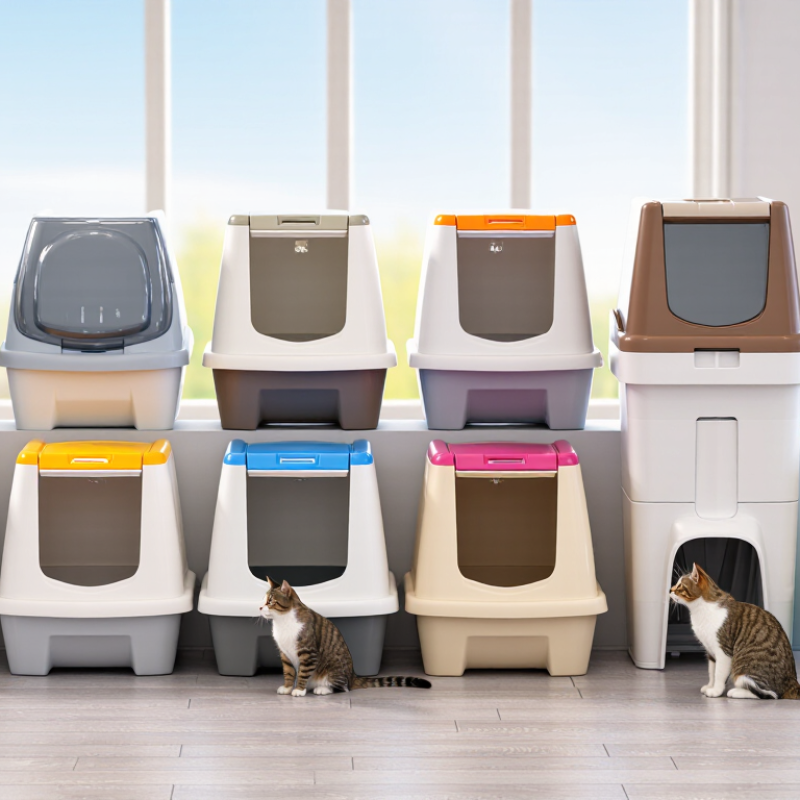
The ten most useful designs include covered boxes, top-entry boxes, stainless-steel trays, high-sided pans, self-cleaning boxes, sifting boxes, disposable boxes, double-wall boxes, ventilation-filtered boxes, and open low-entry boxes. Stainless steel resists lingering odors better than scratched plastic. Sifting models make daily waste removal faster. Self-cleaning systems can help busy households, but moving parts still need inspection. They are not maintenance-free.

Clean waste at least once daily, and wash the box regularly with mild, unscented soap. Avoid strong fragrances. They may overwhelm a cat’s sensitive nose and cause avoidance. Place the box in a dry, ventilated area away from food. A carbon filter can reduce airborne odor, though it cannot replace frequent cleaning. Bigger boxes usually perform better because cats can separate waste from clean litter. Measure the interior, not the outside frame.

A low-entry pan may suit older cats, but it offers less odor containment. A top-entry model can limit tracking, yet some cats reject it. That matters more than appearance. I have also found that “odor-proof” claims deserve skepticism. Even the most thoughtful design fails when the box is too small or cleaned too rarely.

How to Set Up and Maintain a Low-Odor Litter Box

10 Best Cat Litter Boxes for Odor Control

A low-odor litter box begins with placement, not perfume. Choose a quiet, ventilated corner away from food and sleeping areas. The box should let your cat turn, dig, and enter without squeezing. Covered boxes may contain smells, but poor airflow can trap ammonia inside. The AAFP and ISFM feline-environment guidelines recommend one box per cat, plus one extra. That rule sounds excessive. It often prevents competition and skipped toileting.

Scoop urine clumps and feces at least once daily. Twice daily works better in busy homes. Wash the box with mild, unscented soap every one to two weeks, then dry it completely. Replace heavily scratched plastic because odor can remain in tiny surface grooves. Avoid strong fragrances. They may mask the problem while irritating sensitive cats. The U.S. Environmental Protection Agency reports that indoor pollutant levels can be two to five times higher than outdoor levels, so ventilation deserves attention.

The 2023–2024 APPA National Pet Owners Survey counted about 46.5 million U.S. cat-owning households. Small maintenance failures therefore affect millions of indoor environments. Use enough litter for digging, usually about five to seven centimeters. Track odor, tracking, and your cat’s preferences for one week. I still miss an occasional scoop. That matters. A box can look clean while hidden urine builds underneath. If odor suddenly changes, arrange a veterinary check, since urine changes can signal illness rather than poor cleaning.

10 Best Cat Litter Boxes for Odor Control - How to Set Up and Maintain a Low-Odor Litter Box

Rank Litter Box Type Best For Typical Size Odor-Control Features Recommended Litter Cleaning Frequency Setup and Maintenance Tips Odor-Control Rating
1 Large Covered Box with Carbon Filter Homes where odor containment and privacy are priorities Approx. 22–26 in L × 16–20 in W × 16–18 in H Enclosed sides, filtered ventilation, and a deep litter bed help contain odors Clumping clay or another low-dust clumping litter Scoop at least once daily; replace the filter according to its condition Place the box in a well-ventilated area. Do not block the air vents, and wash the lid and base regularly. ★★★★★
2 Stainless-Steel Open Pan Owners who want a non-porous, easy-to-sanitize surface Approx. 23–27 in L × 16–19 in W × 6–10 in H Stainless steel does not absorb urine odors and can be thoroughly washed Unscented clumping clay, tofu, or other absorbent litter Scoop daily; empty and wash every 1–2 weeks, depending on use Dry the pan completely before refilling. Use a litter mat to reduce tracked particles around the box. ★★★★★
3 High-Sided Open Box Large cats, high urination, and households needing better splash control Approx. 24–28 in L × 17–20 in W × 10–12 in H High walls reduce urine contact with floors and surrounding surfaces Fast-clumping, low-dust litter Scoop daily; wash approximately every 1–2 weeks Keep the entrance easy to access. Fill with about 2–3 inches of litter and remove wet clumps promptly. ★★★★☆
4 Top-Entry Litter Box Reducing litter tracking in homes with agile adult cats Approx. 20–25 in L × 15–19 in W × 14–16 in H Covered entry limits litter scatter and helps keep waste contained Clumping clay or lightweight clumping litter Scoop daily; clean the entry lid and interior weekly Use only for cats that can comfortably jump in and out. Avoid this design for kittens, seniors, or cats with mobility issues. ★★★★☆
5 Self-Cleaning Mechanical Box Busy households that need waste removal between manual cleanings Approx. 25–30 in L × 20–25 in W × 18–30 in H Automated waste separation can reduce the time waste remains in the box The litter type specified by the device; usually clumping litter Empty the waste drawer every few days; deep-clean regularly Allow the cat to become familiar with the unit before activating automatic cycles. Inspect moving parts and sensors often. ★★★★☆
6 Large Open Box with Removable Rim Multi-cat homes and cats that prefer unobstructed access Approx. 24–30 in L × 17–22 in W × 6–10 in H Large floor area allows better waste distribution and easier daily inspection Unscented clumping litter with good moisture absorption Scoop 1–2 times daily; wash every 1–2 weeks Provide one box per cat plus one additional box when possible. Position boxes in separate quiet locations. ★★★★☆
7 Sifting Litter Box Owners who prefer faster separation of solid waste Approx. 19–24 in L × 15–18 in W × 7–10 in H Sifting removes clumps efficiently and helps preserve clean litter Pellet litter or the litter type recommended for the sifting design Sift daily; replace or wash the liner as needed Lift and sift slowly to prevent broken clumps. Keep enough clean litter in the box to cover the sifting surface. ★★★★☆
8 Disposable Liner-Based Box Travel, temporary use, or households needing quick replacement Approx. 19–24 in L × 14–18 in W × 5–8 in H Fresh liners reduce residue buildup and minimize absorbed odors Unscented clumping or absorbent disposable-box litter Scoop daily; replace the entire box when the liner becomes saturated Place the disposable box on a waterproof mat. Replace it before odors persist or the material becomes damp. ★★★☆☆
9 Low-Entry Senior-Friendly Box Senior cats or cats with arthritis and limited mobility Approx. 20–26 in L × 15–19 in W × 3–6 in H Easy access encourages consistent use and allows faster waste removal Soft, low-dust clumping litter Scoop at least daily; wash every 1–2 weeks Use a shallow litter depth if stepping is difficult. Place the box close to the cat’s resting area without blocking movement. ★★★☆☆
10 Odor-Filtering Litter Cabinet Owners seeking furniture-style concealment in small living spaces Approx. 24–32 in L × 18–24 in W × 20–30 in H Enclosed furniture panels and replaceable carbon filtration can reduce odor spread Low-dust clumping litter Scoop daily; clean the internal compartment weekly and replace filters as needed Ensure the interior is large enough for the cat to turn around comfortably. Keep doors and ventilation openings clear. ★★★☆☆

General maintenance guideline: scoop solid waste and urine clumps at least once daily, keep approximately 2–3 inches of litter in the box, wash the box with mild unscented soap, and avoid using strong fragrances that may discourage a cat from using the box.

Common Odor-Control Mistakes and How to Avoid Them

Odor-control failures rarely begin with the litter box itself.

They often start with poor placement, shallow litter, or delayed scooping. The 2023–2024 APPA National Pet Owners Survey estimates that 46.5 million U.S. households keep cats. That scale makes small hygiene errors significant.

A sealed lid may trap smells briefly, but it can concentrate ammonia and discourage sensitive cats. Ventilation matters more. Keep the box away from food, washing machines, and warm corners.

Another common mistake is using too little litter. Most cats prefer a stable, diggable layer, usually 5–7 centimeters deep. Preferences still vary.

The AAFP/ISFM Feline Environmental Needs Guidelines recommend one box per cat, plus one extra, in separate quiet locations. This reduces crowding and prevents urine from accumulating in one container.

Scoop clumps at least daily. Wash the box regularly with unscented soap. Strong fragrances may hide odors from people while creating a new problem for cats.

Odor absorbers are not a substitute for cleaning. Activated carbon can help, but damp litter, cracked plastic, or a saturated filter defeats it. Replace damaged boxes because scratches retain residue.

One imperfect habit deserves attention: judging success by smell alone. A cat may avoid a box before humans notice anything.

Track accidents, digging, and hesitation for two weeks. Sudden urine odor changes require veterinary attention, since avoidance can signal illness.

Article Source:

REQUEST FOR PORPOSAL

Bring the essence of Current to your space! Whether you envision a cozy coffee kiosk, a stylish window café, a dynamic coffee bar, or a multi-station coffee drive-through, the possibilities are endless.  Please fill out the form below to submit your proposal request. Our team will review your information and get back to you shortly.