


What Is a Barista Station and What Equipment Do You Need?
A Barista Station is more than a counter with an espresso machine. It is the practical center of coffee preparation, service, and daily cleaning. Each item should support consistent quality, safe movement, and efficient workflow. During a busy morning, small details become important. A misplaced tamper can slow several orders. A wet steam wand can affect milk texture and hygiene. A cluttered counter can create unnecessary mistakes.
This guide explains what a Barista Station includes and how its equipment works together. The essential setup usually contains an espresso machine, commercial grinder, tamper, dosing cup, digital scale, knock box, milk pitchers, and a reliable water supply. Refrigeration helps protect milk and other perishable ingredients. Cleaning brushes, cloths, detergent, and a backflush routine are equally important. They are not optional decorations. They protect flavor, equipment performance, and customer trust.
Practical experience shows that no station layout is perfect. A compact café may prioritize speed, while a specialty bar may need extra space for weighing and brewing. I have seen attractive stations become frustrating because the grinder sat too far from the machine. That detail sounds minor. It is not. The best design leaves clear space for dosing, tamping, steaming, serving, and cleaning. It also allows staff to adjust the arrangement after observing real service. A thoughtful Barista Station should feel calm during pressure, even when the queue grows. That standard requires good equipment, careful maintenance, and honest evaluation.
What a Barista Station Is and How It Functions
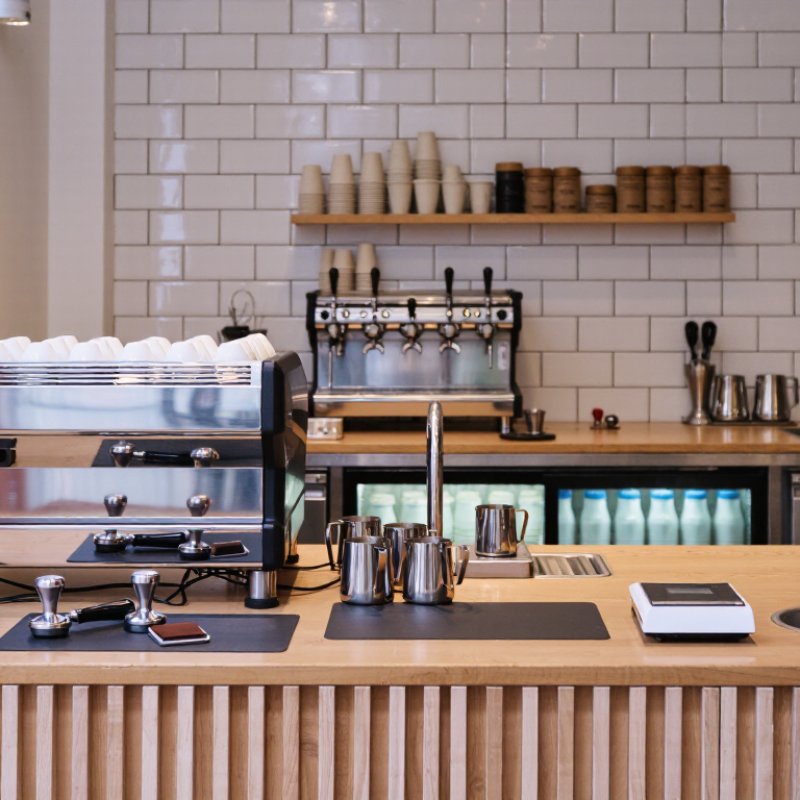
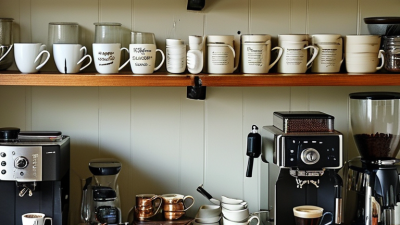
A barista station is a work area arranged to turn coffee orders into drinks safely, consistently, and with minimal wasted movement. It typically brings together an espresso machine, grinder, water supply, knock box, tamping space, milk pitcher rinser, and refrigerated milk storage. The layout matters: a barista should be able to grind, dose, tamp, brew, and clean without crossing paths or reaching over hot surfaces. Small details count. Keep cups close to the espresso machine, and leave a clear place for used pucks and wet tools.
The station also manages water, heat, and workflow. The Specialty Coffee Association’s water quality guidance places total hardness at 50–175 ppm as calcium carbonate, with alkalinity near 40 ppm. These measures can affect extraction and help limit scale buildup; test the actual supply rather than guessing. Demand makes a dependable setup valuable: the National Coffee Association’s 2024 National Coffee Data Trends report found that 67% of U.S. adults had coffee the previous day. That figure does not prescribe a station design, but it signals how routine coffee service is. A tidy counter helps. Yet the “perfect” layout can still feel awkward during a rush, so observe real service and adjust tool placement accordingly.
What Is a Barista Station and What Equipment Do You Need? — What a Barista Station Is and How It Functions
A barista station is an organized work area for preparing and serving coffee. Its layout typically follows the drink-making sequence: grind and dose, extract espresso, steam milk, finish the drink, and hand it off.
| Station area | Equipment or supply | What it does | Practical setup notes | Typical workflow |
|---|---|---|---|---|
| Grinding and dosing | Espresso grinder, coffee beans, dosing cup or portafilter | Grinds coffee to a fine, adjustable size and prepares a measured dose for brewing. | Place close to the espresso machine. Keep beans dry, sealed when not in use, and away from heat. | Grind, dose, and check the coffee amount before tamping. |
| Espresso extraction | Espresso machine, portafilter, tamper, and shot cups | Uses pressurized hot water to extract espresso through a compacted bed of ground coffee. | Allow suitable counter space, access to water and drainage, and the electrical supply specified for the machine. | Distribute and tamp the grounds, lock in the portafilter, then start the extraction. |
| Milk steaming | Steam wand, milk pitcher, and cold milk | Heats and aerates milk to create a smooth texture for milk-based drinks. | Keep pitchers near the steam wand and milk refrigerated until needed. Clean and purge the wand after use. | Steam the required milk while espresso extracts, then wipe and purge the wand. |
| Tamping and tool storage | Tamping mat or station, distribution tool, and cleaning brush | Provides a stable work surface for preparing the coffee bed and keeping small tools accessible. | Position beside the grinder; use a non-slip, easy-to-clean surface. | Prepare the dose and return tools to their assigned places between drinks. |
| Drink finishing | Cups, lids, spoons, and any recipe-specific ingredients | Holds the finished drink and supports final preparation and service. | Store frequently used cups within easy reach while keeping the counter clear of unnecessary supplies. | Combine espresso and other ingredients, finish the drink, and prepare it for handoff. |
| Rinsing and waste | Rinse sink or pitcher rinser, knock box, and waste bin | Rinses reusable tools and collects spent coffee grounds and general waste. | Place near the preparation area where plumbing and drainage are available; empty and clean regularly. | Rinse pitchers and tools promptly, and discard spent coffee grounds between shots. |
| Water and cleaning | Water filtration where needed, microfiber cloths, and food-safe cleaning supplies | Supports consistent water quality and helps keep equipment and food-contact surfaces clean. | Follow equipment instructions for water treatment and cleaning. Store chemicals separately from ingredients and cups. | Wipe spills as they happen and follow a regular cleaning and maintenance routine. |
Related Posts
-

Mastering the Art of Choosing Barista Cups for Your Coffee Shop Success
-
Essential Guide: 10 Must-Have Items for Every Barista Coffee Enthusiast
-
Discover the Ultimate Guide to Sourcing the Best Cups Barista from Top Quality Suppliers
-

Top 5 Barista System Tools for Perfect Coffee Every Time?
-
China Top Coffee Kiosk Suppliers for Global Buyers Guide?
-
How to Create the Perfect Home Coffee Station for Your Needs?