

2026 Best Baseball Hoodies for Global Buyers

In 2026, Baseball Hoodies are more than casual fanwear. They combine team identity, everyday comfort, and practical protection from changing weather. Global buyers now expect better materials, accurate sizing, and dependable production standards. A soft fleece hoodie may suit cold stadium evenings, while a lighter cotton blend works better in warmer cities. Small details matter.

This guide examines the best Baseball Hoodies for international buyers, including fabric weight, stitching quality, print durability, color consistency, and fit. It also considers supplier experience, production transparency, sample approval, and responsible packaging. Buyers should check size charts carefully because measurements vary between markets. A medium in one region may feel noticeably different elsewhere. That is easy to overlook.

Reliable sourcing requires more than attractive product photos. Buyers should request clear specifications, realistic delivery timelines, and evidence of quality inspections. Care labels should be readable and suitable for the destination market. Customs requirements, textile regulations, and consumer safety expectations may also differ by country. Professional suppliers should explain these points without making vague promises.

Still, no ranking is perfect. A premium hoodie can feel too warm in humid climates. A lower-cost option may offer better value for large team orders. Personal preference, shipping distance, order quantity, and intended use can change the final choice. This overview provides a practical starting point, not a universal answer. Careful comparison remains essential.
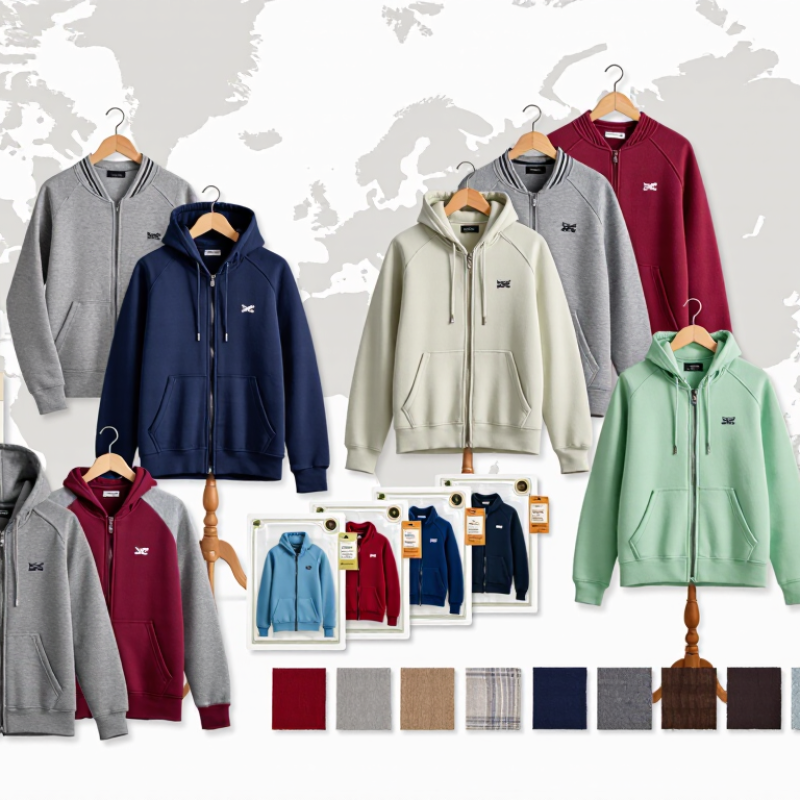
2026 Best Baseball Hoodies for Global Buyers

Baseball Hoodie Types and Their Key Features

Baseball hoodies vary by cut, fabric, and intended use. Pullover styles offer warmth with a simple front design. Zip-up hoodies provide faster ventilation during practice or travel. Varsity-inspired versions often use contrast sleeves, ribbed cuffs, and embroidered-style details. Performance hoodies usually feature lightweight polyester blends, stretch panels, and quick-drying surfaces.

Fabric choice affects comfort more than decoration. Cotton-rich fleece feels soft for casual wear and cool evenings. Polyester blends dry faster after light rain or active training. Brushed interiors add warmth, but they may feel too hot in humid regions. Look for reinforced shoulder seams, smooth drawcords, and a hood that stays secure during movement. A deep kangaroo pocket is useful, although heavy phones can pull the front downward.

Sizing needs careful attention for global buyers. Compare garment measurements with a familiar hoodie, not only local size labels. Check sleeve length, chest width, and body length in centimeters and inches. A relaxed fit allows jerseys underneath, while a regular fit suits everyday layering. In practical wear tests, cuffs and seams often reveal quality before the fabric does. Still, no hoodie performs perfectly across every climate. I would request fabric weight, washing instructions, colorfastness details, and sample photos before placing a larger order. Small measurement differences can become costly mistakes.

How to Choose the Best Baseball Hoodie for Different Climates

2026 Best Baseball Hoodies for Global Buyers

Choosing a baseball hoodie for global buyers starts with climate, not appearance. The World Meteorological Organization reported 2024 as the warmest year on record. Global mean temperature reached about 1.55°C above the 1850–1900 average. For buyers, a hoodie must handle heat, moisture, wind, and sudden temperature changes.

In hot, humid climates, choose a lightweight 180–240 gsm knit with breathable panels. Cotton can feel soft, but it may hold moisture after repeated washing. A cotton-polyester blend often dries faster. Flat seams and underarm gussets reduce rubbing during long games. Avoid thick brushed fleece. It traps warmth quickly.

The ISO 11092 standard measures thermal resistance and water-vapor resistance. Ask suppliers for test results, rather than vague “cooling” claims.

Cold, dry regions suit 280–350 gsm fleece, ribbed cuffs, and a higher collar. Add a wind-resistant outer layer when stadium temperatures fall after sunset.

In wet, mild climates, a quick-drying inner layer is more useful than heavy insulation. A 300 gsm hoodie can feel comfortable in dry cold, yet oppressive during humid spring games.

That buying rule is imperfect. Fit also changes performance: oversized sleeves catch wind, while tight cuffs restrict movement.

Regional size charts and wash-testing remain essential. A hoodie that survives one fitting may still shrink after ten washes.

Materials, Sizing, Comfort, and Performance Considerations

2026 Best Baseball Hoodies for Global Buyers

Materials, Sizing, Comfort, and Performance Considerations

A reliable baseball hoodie starts with the fabric, not the graphic. Cotton feels soft against the skin, while polyester dries faster after travel or training. A cotton-polyester blend often balances warmth, durability, and easier care. For colder stadiums, brushed fleece adds insulation, but it can feel too warm in humid regions. Lightweight French terry may work better for layered outfits.

Sizing requires more than choosing your usual letter. Measure chest width, shoulder span, and sleeve length against the seller’s chart. International sizing varies noticeably. A relaxed fit allows a jersey underneath, while a closer cut reduces fabric movement during warm-ups. Check the garment measurements, not only the model’s height. I once selected a “regular” size that fit the chest but left the sleeves short. That mistake still affects how I judge size charts.

Comfort depends on small construction details. Look for flat seams, a flexible ribbed cuff, and a hood that stays clear of peripheral vision. Reinforced stitching around the pocket matters when carrying keys or a phone. For performance, inspect moisture management, fabric stretch, and weight. A heavy hoodie may feel substantial, yet restrict a full throwing motion. Test the shoulders and elbows before outdoor use. Care instructions also deserve attention, because high heat can shrink cotton and weaken printed surfaces. Product descriptions sometimes promise more than testing supports, so buyers should compare measurements, fiber content, and return conditions carefully.

Global Buying Guide: Prices, Shipping, and Import Factors

2026 Best Baseball Hoodies for Global Buyers

For global buyers, a good baseball hoodie begins with landed cost, not the displayed price. In 2026, a midweight cotton-blend hoodie may cost about $22–$48 before shipping. Thicker fleece styles often reach $35–$70. Check fabric weight, stitching, size measurements, and printing methods before comparing offers. A low price can hide weaker cuffs or inconsistent sizing.

Shipping changes the final budget quickly. One hoodie by air may cost $12–$30, while several pieces can lower the average freight cost. Economy delivery usually takes 10–25 days; express service may arrive within 3–8 business days. Ask for tracking, package dimensions, and a clear delivery estimate. Delays happen. I would not promise an exact arrival date.

Import duties, sales tax, customs fees, and clearance charges depend on the destination country. Ask the seller for the correct product description, fiber composition, country of origin, and commercial invoice. These details help customs assess the shipment accurately. Some markets also require specific textile labeling. Buyers should confirm local rules before payment, because the seller may not know every regional requirement.

My practical mistake was comparing item prices without calculating duties; the cheapest quote became more expensive at delivery. Also check return costs, since international hoodie returns can exceed the garment’s value.

Care, Customization, and Long-Term Use of Baseball Hoodies

2026 Best Baseball Hoodies for Global Buyers

A durable baseball hoodie begins with fabric suited to its owner’s climate.

Cotton blends feel soft, while recycled polyester often dries faster after travel or training. I check the inner seams, cuffs, and zipper before judging overall quality. Small flaws matter. A loose thread can become a torn seam after repeated washing.

Wash hoodies inside out with cold water and mild detergent. Avoid high heat, especially when the garment includes printed graphics or elastic panels. Air drying helps preserve shape, but it takes longer in humid rooms.

I once underestimated this detail and stored a slightly damp hoodie, which caused an unpleasant smell.

Customization should support daily use, not only visual impact.

Embroidery works well for small logos, player numbers, or initials. Large embroidered areas may feel heavy under protective equipment. Heat-transfer designs offer sharper detail, yet their edges can crack when exposed to excessive heat.

Ask suppliers for fabric samples, color references, and a pre-production sample before placing a larger order. Check whether measurements follow centimeters or inches. This simple mistake can create expensive sizing problems for international buyers.

Keep spare care labels and packaging instructions for local customers. Fit also deserves honest review; a loose baseball hoodie may layer comfortably, but oversized sleeves can catch during movement.

Test pockets, drawcords, and seam strength after several wears, not just on arrival.

REQUEST FOR PORPOSAL

Bring the essence of Current to your space! Whether you envision a cozy coffee kiosk, a stylish window café, a dynamic coffee bar, or a multi-station coffee drive-through, the possibilities are endless.  Please fill out the form below to submit your proposal request. Our team will review your information and get back to you shortly.